
One of the most gratifying feelings any automotive aficionado with a love of muscle cars happens when walking through a car show and finding a historical icon of the ’60s and early ’70s sitting proudly among rows of classic hot rods and custom street machines.
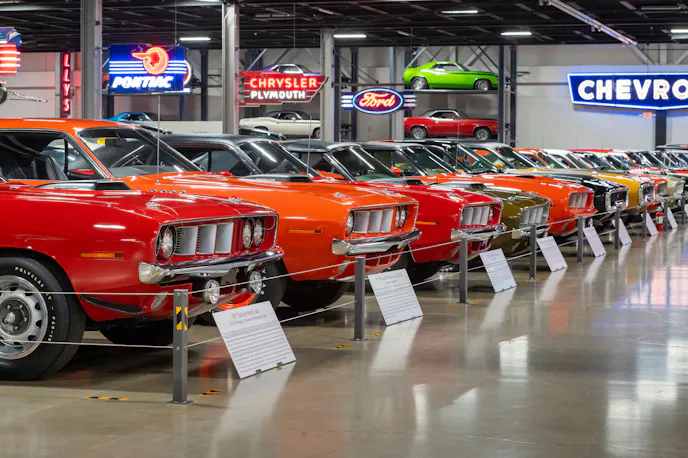
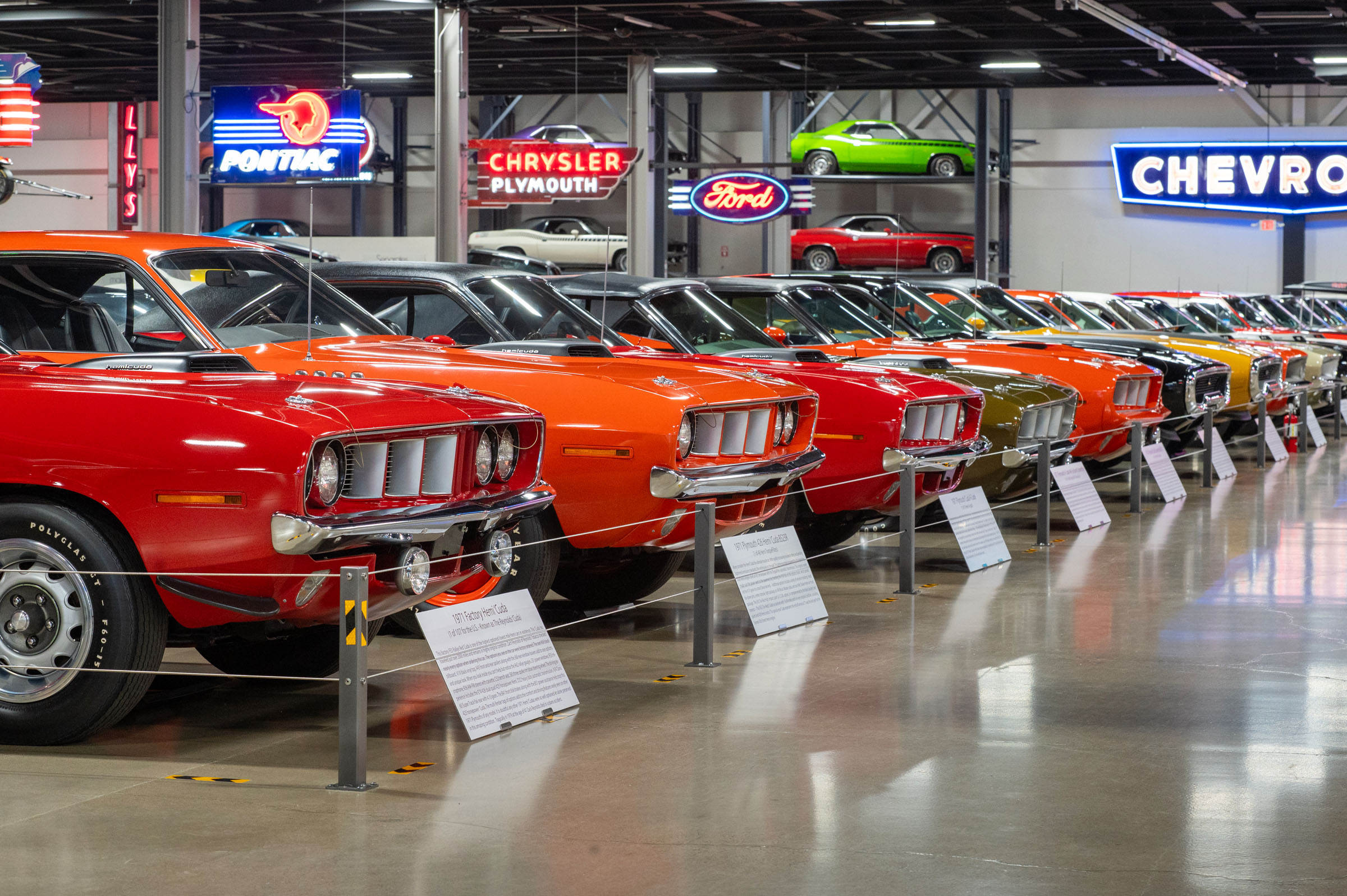
Now imagine walking through a door into a private collector’s museum that has not one, two, or a dozen such history-making performance icons, but rather several hundred of the rarest of the rare, grouped by manufacturer and model, shining under the lights.
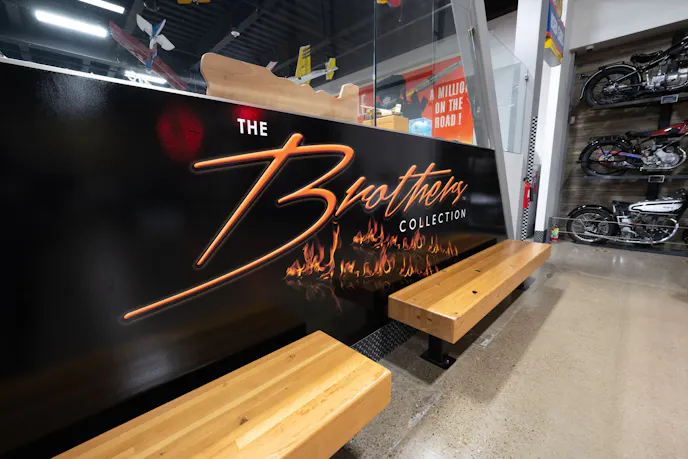
That’s The Brothers Collection.
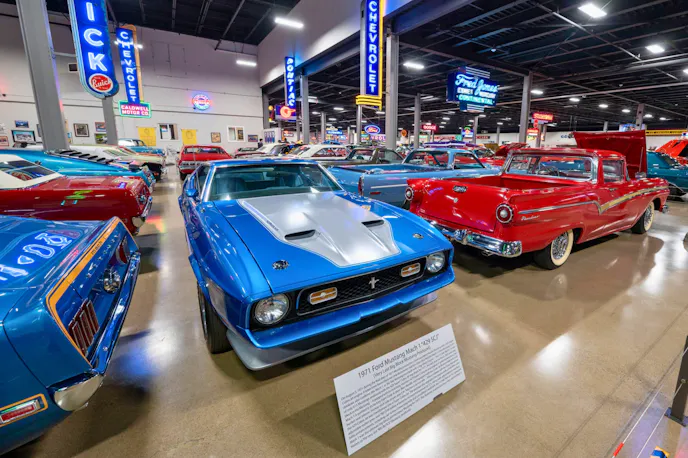
This muscle car lover’s dream is located in a non-descript warehouse-turned museum in Salem, Oregon. The “Collection,” which has been compiled over the past 50 years by a very wealthy local businessman and his two sons, is considered the largest private car collection of muscle cars in the world.
(Editor’s Note: The family that owns this collection is intensely private and did not want their names revealed.)
An Early Start Collecting Muscle Cars
The family patriarch had a love for Fords and in the early ’70s he started investing in marquee Mustangs, Comets, Galaxies, Rancheros, Torinos and Fairlanes. Over the ensuing years, his two sons caught the muscle car collector bug. The rest is, as they say, is history.
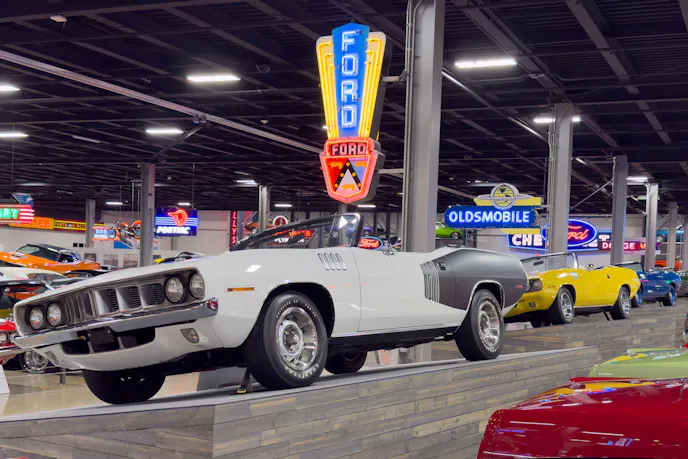
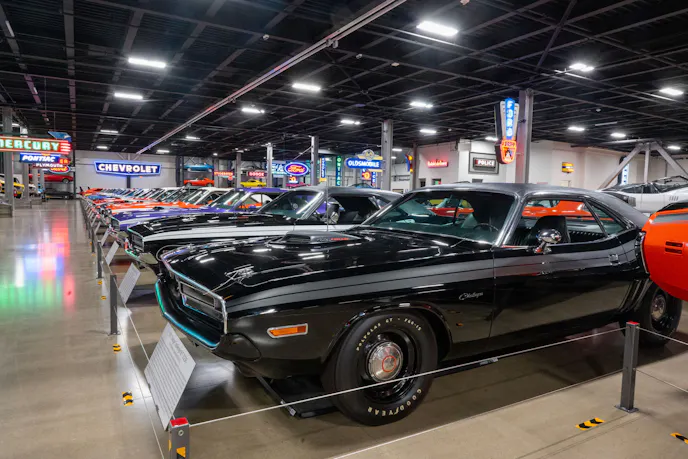
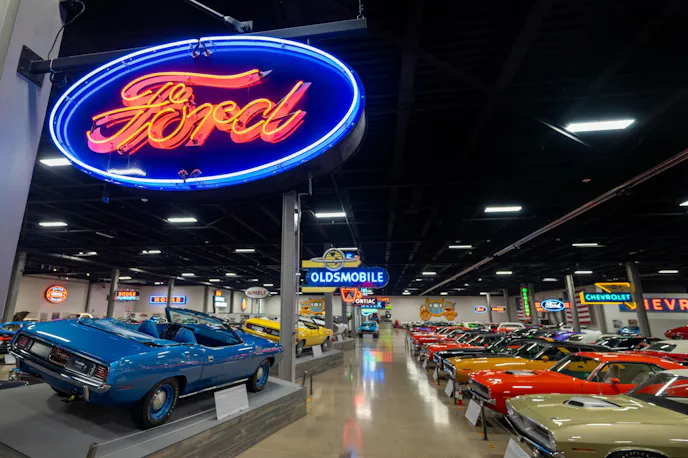
Their collection of more than a hundred of the rarest of American automotive manufacturers’ performance icons was basically kept hidden away in Washington State until 2016 when the brothers purchased a 117,000 square-foot building in Salem, Oregon, that was formerly an electronics manufacturing plant.
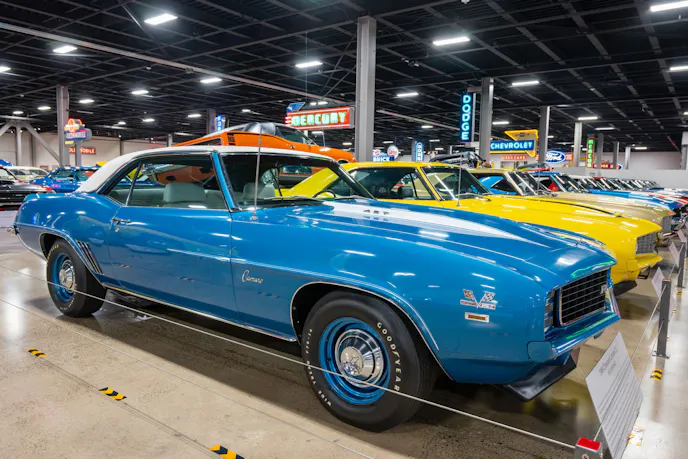
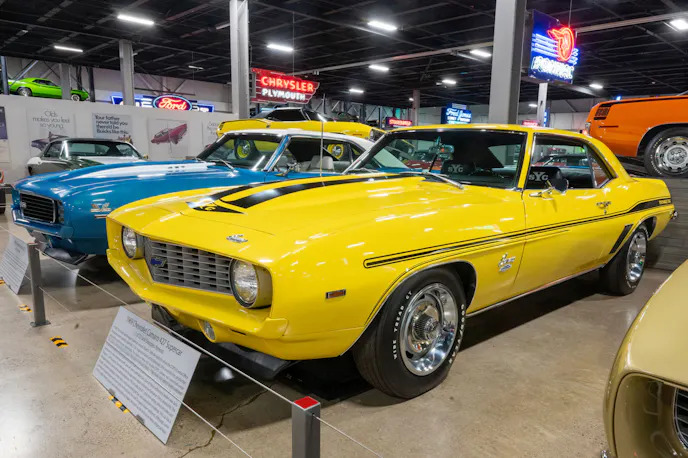
As all car collectors know, protecting the paint and shine on the outside is as important as preserving what’s under the hood. So the brothers spent about five years and millions of dollars turning this massive warehouse into the penultimate muscle car museum, complete with special structural upgrades to protect against earthquakes.
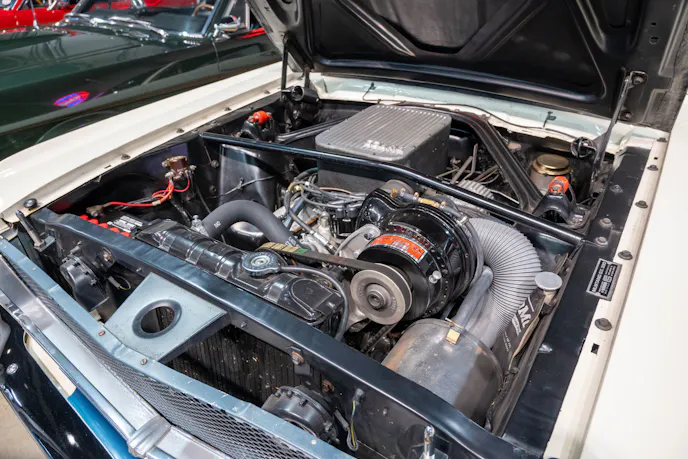
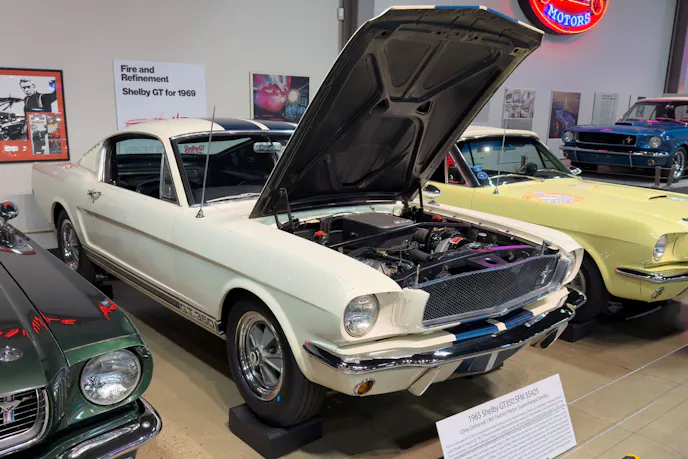
While the building’s extensive renovations were underway to make it into a beautiful showcase of automotive history, the collection kept growing. Today, inside the two-plus acre enclosure are about 350 unique examples of automotive performance history from muscle cars and Corvettes to European exotics, with a few other interesting nostalgic collectables on display for added color.
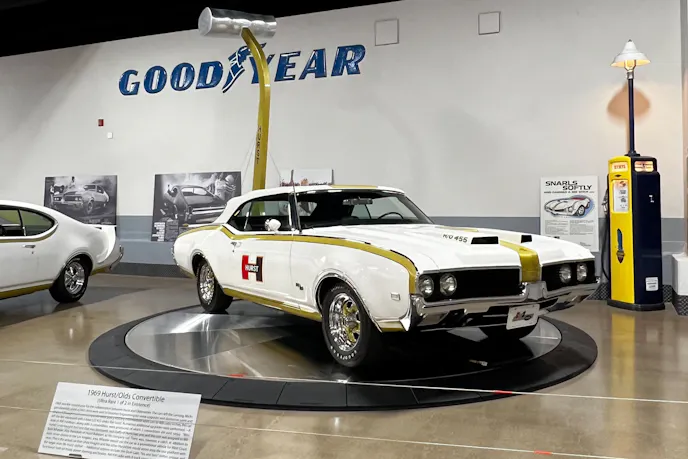
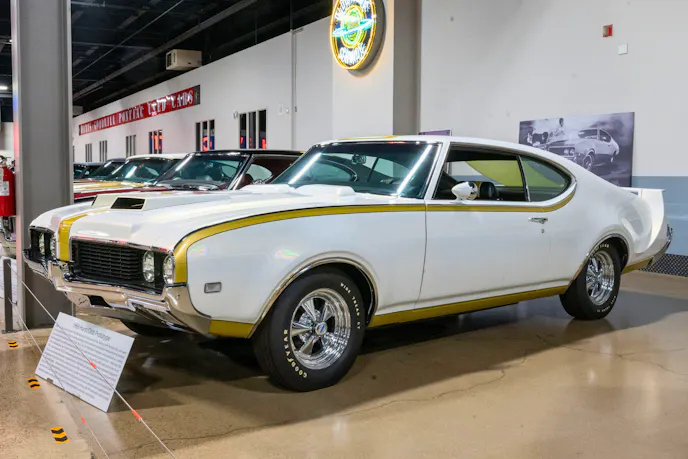
Suspended above it all is an extensive collection of automotive manufacturer’s neon signs from the muscle car era hanging from the rafters and mounted along the walls.
Getting Inside The Brothers Collection
In 2020, after all the renovations, Brothers opened the door for the first time for the outside world to enjoy slices of automotive history on wheels. But even then only on a limited basis.
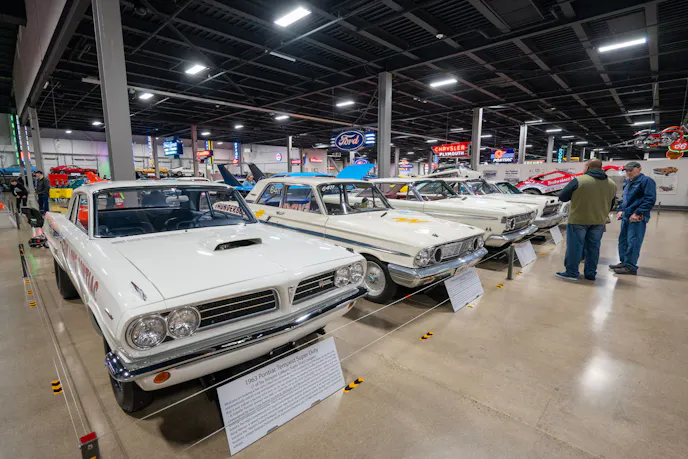
Getting the opportunity to walk among the massive display of prime examples of American automotive manufacturing’s performance heyday requires a ticket, acquiring one of which can be almost as rare as the cars themselves.
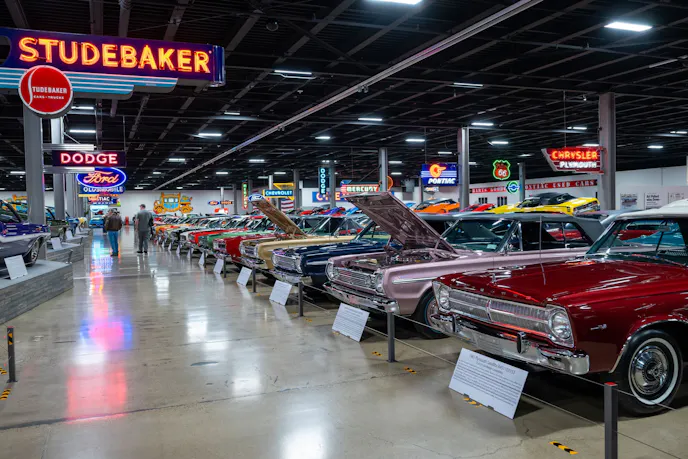
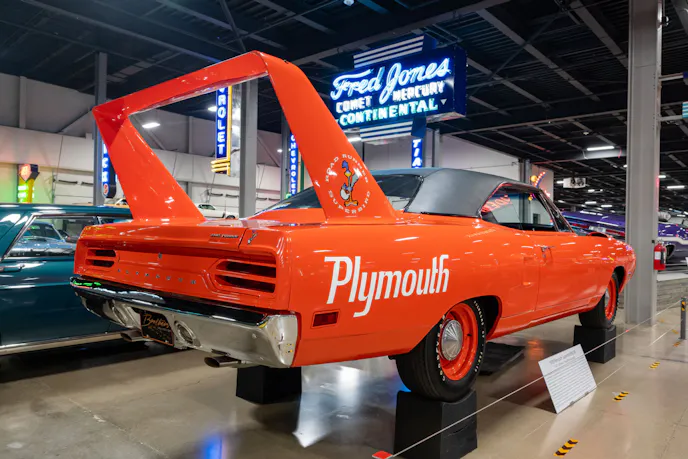
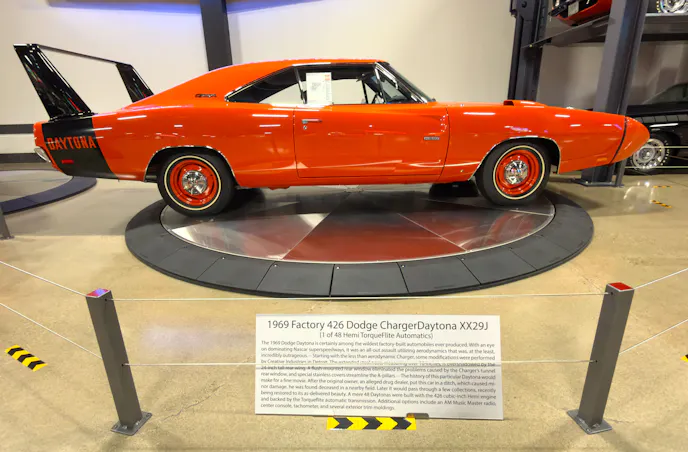
“We open the doors to the public, for one day, four or five times a year for guests to walk the museum,” says Doug Dwyer, the mechanic, spokesperson and historian who has been looking after this world-class collection of historical automotive rolling stock for the past 17 years. ”We typically limit 2,000 tickets to each of these events, and they sell out quickly. The brothers give all of the proceeds from these events, large or small, public or private, to Oregon charities including those for First Responders and law enforcement.”
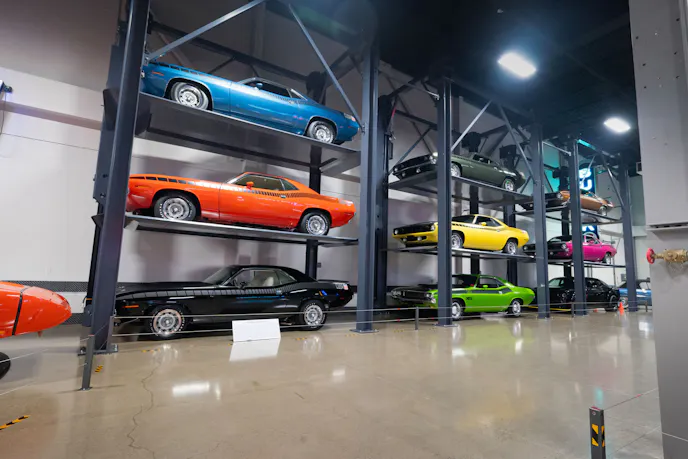
Each month The Brothers Collection also hosts a handful of private tours for car clubs and special events during the year. (Dwyer says to get on their notification list or to book a special tour, go to www.thebrotherscollection.com to sign up for their newsletter.)
A Walk Down Muscle Car Memory Lane
Walking the museum, which takes several hours, is a jaw-dropping experience for those who appreciate what the automotive version of the gun-slinging Wild West in its heyday.
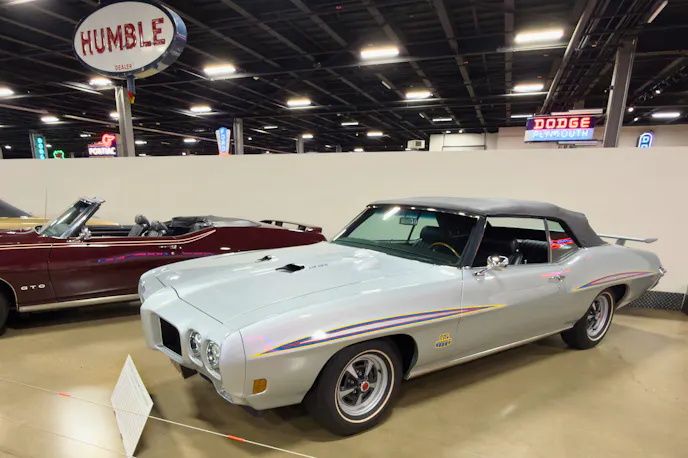
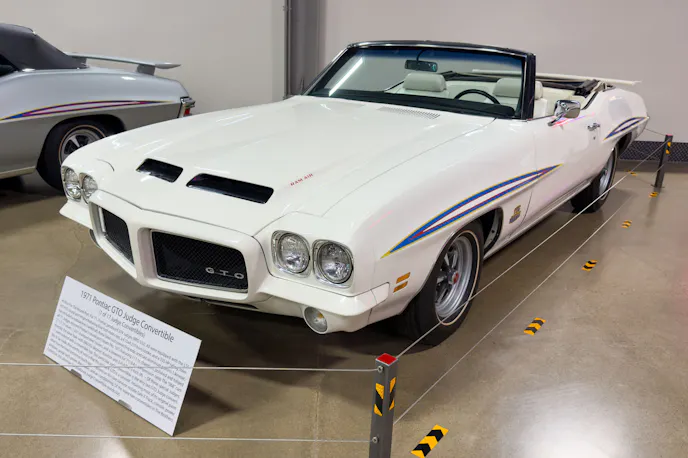
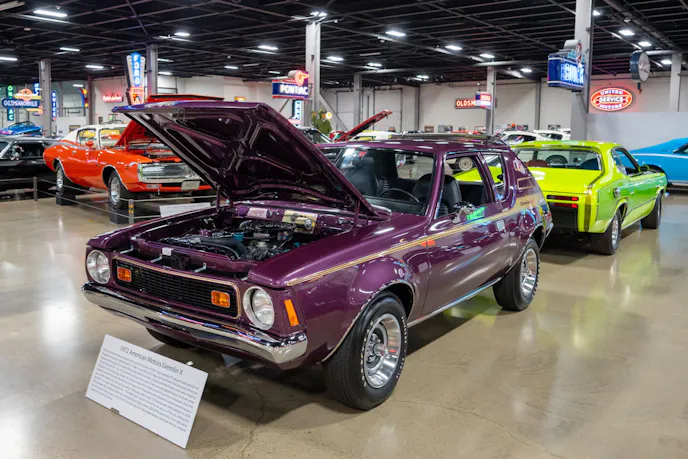
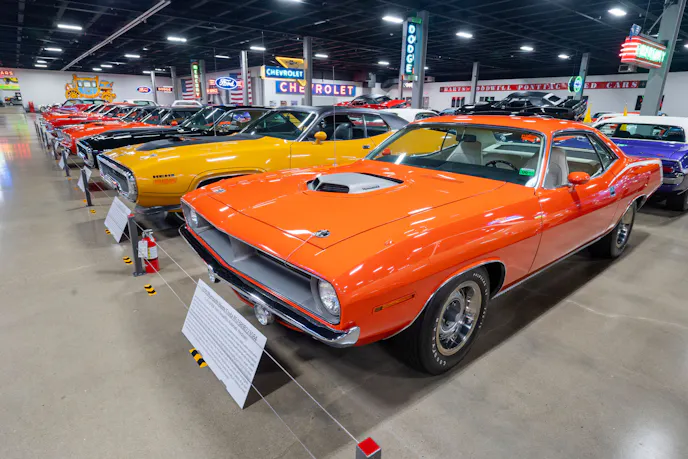
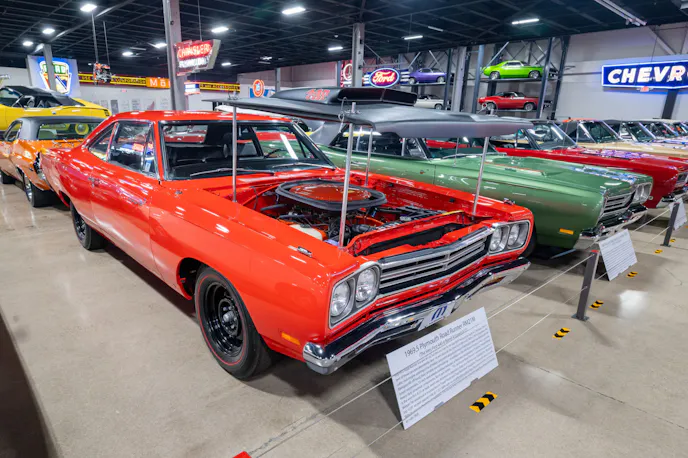
There are row upon row of impeccably kept, better-than-showroom-quality muscle cars parked side-by-side, on racks, perched on angled pedestals, or atop rotating mirrored displays. Each one has a sign displayed on the floor in front explaining the significance and brief history of that particular vehicle.
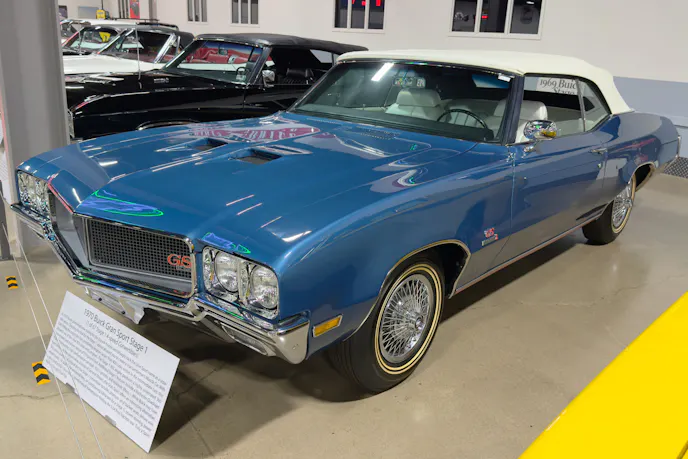
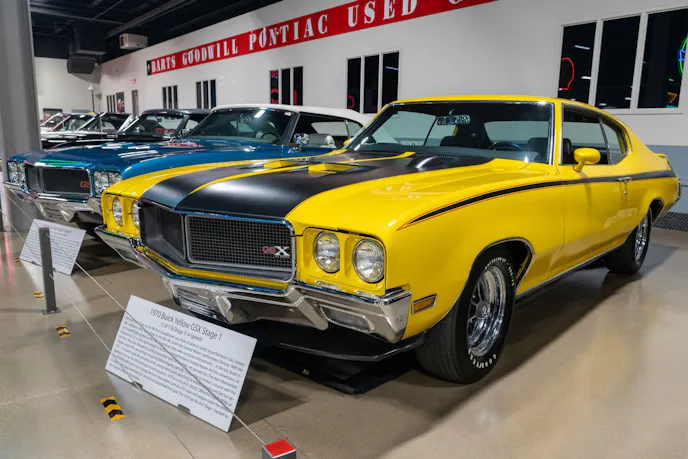
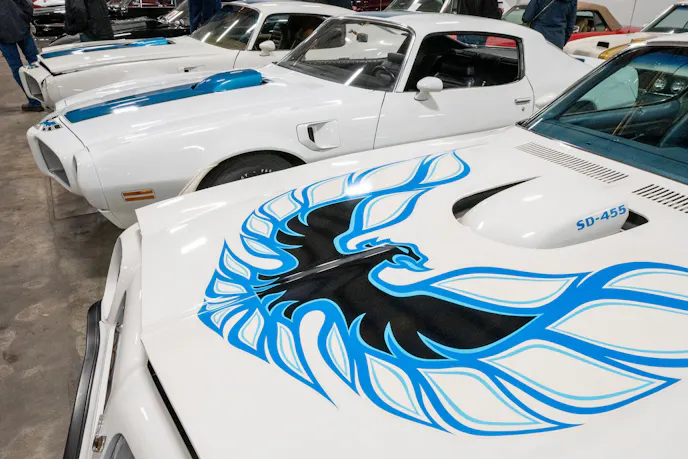
This collection of rare ‘Cudas, Camaros, Mustangs, Fairlanes, Firebirds, Shelby Mustangs, Yenkos, GTOs, SS Chevelles and El Caminos, GSXs, Road Runners, Corvettes, Challengers and Chargers, and other muscle cars is a kaleidoscope of engineering excellence, innovation, color and performance. There are even a few famous drag race cars mixed in.
The Brothers Collection also has special sections dedicated to exotic European sports cars and an area that pays homage to Shelby’s famous AC Cobras.
A Variety Of Displays
One display that brings a smile is how the brothers presented their impressive collection of SCCA Trans-Am series Plymouth AAR ’Cuda’s (All American Racers). There are 20 AARs on a rack along the back wall, parked three-high, one above the other like a kid’s bedroom collection of Hot Wheels.
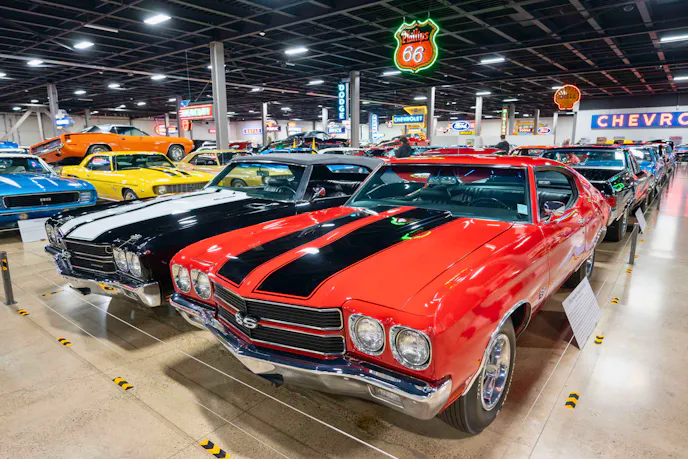
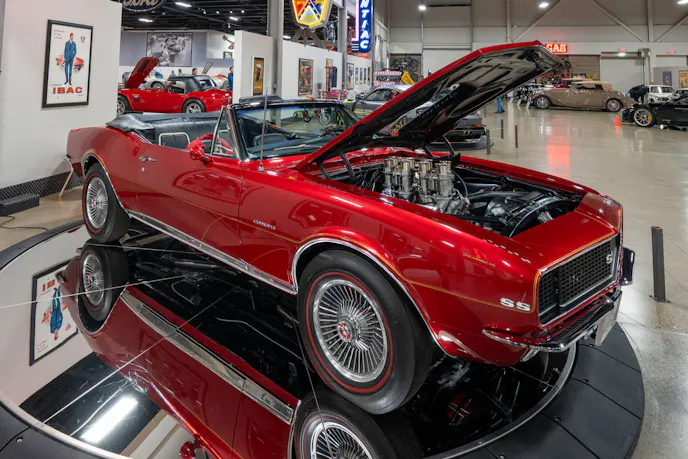
But what really impressed me on my first visit to this incredible Oregon muscle car museum is the scope of these rare collectibles. For example, if you are a Mopar fan, the rows and multiple displays of Plymouth and Dodge muscle cars include the first and last Hemi ’Cuda convertibles off the assembly line, plus an ultra-rare Hemi-powered Daytona.
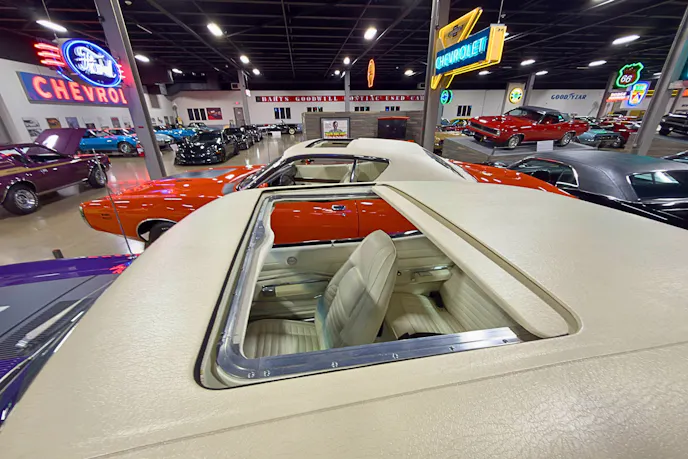
When it comes to GM and Ford brands, name a muscle car that rolled out of Dearborn or Detroit, The Brothers Collection has the rarest of them on display, too.
Maintenance Matters
To keep all of these classics in top shape, the brothers own an adjacent warehouse to do repairs and maintenance on an estimated 120 or so vehicles awaiting their turn to shine, says Dwyer. The museum is well sealed against dust intrusion and is a great environment for preservation purposes. The vehicles are started up to keep fluids lubricants doing their job.
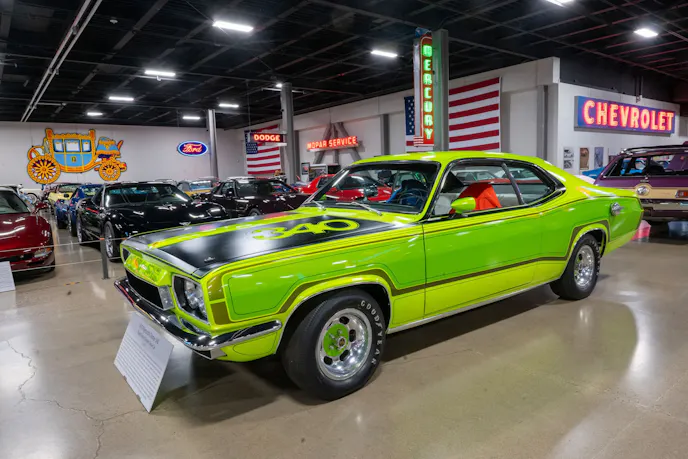
Dwyer, along with another of the two full-time employees at The Brothers Collection museum, make sure the vehicles are kept spotless — and any mechanical issues that arise, such as fuel systems and brakes, are addressed.
The Brothers’ Favorite
So which muscle car is the brothers’ favorite out of the hundreds they own? It’s the unrestored, LeMans Blue ’69 Camaro ZL1 that anchors a long display of rare Camaros near the center of the museum.
This beautiful ZL1 has the all-aluminum 500-plus horsepower 427 under its hood and a nicely optioned RS package. What really makes this particular car very unusual is it’s number 55 of 69 built, and only one of two ZL1s ordered with the Rally Sport package that year. The survivor car’s odometer shows a mere 7,700 miles.
Dwyer says The Brothers Collection continues to evolve and expand. ”As the years go by, the museum gets better and better examples of the muscle car era,” Dwyer said. ”This collection is constantly evolving as the brothers continue to work with private collectors and keep a close eye on auctions. Their goal: Better. Best. More unique. More rare. More historical.”
Seeing The Collection
Taking a tour of The Brothers Collection museum should be on the To-Do bucket list of anyone who has a passion for muscle cars — and America’s golden age of automotive performance and glamour.
Getting inside the museum means staying on top of what events are in the works. They send out a newsletter several times a year with the dates the doors open to the public (via ticket purchase) and a brief description of what attendees will be treated to at the Salem venue.
To get on the mailing list, go to www.thebrotherscollection.com and sign up. Or, check out their Instagram account (www.instagram.com/brotherscollectionmuseum/) to stay abreast of the latest news.
You might also like
500-Horse 1962 Bel Air Runs Like A Beast, Looks Like A Beauty
This spectacular ’62 Bel Air is a long way from bargain-bin transportation, which is how it started life. Under the hood is a fully built 383