

Traction Control, that wonderful-yet-sometimes-frustrating thing your car or truck comes with to keep you save, first came into the mainstream in the late 1980/early 1990s, but it was far from a new thing then. GM pioneered it in the 1971 Buick Riviera, that grand personal luxury vehicle with the Corvette-inspired boattail rear window.
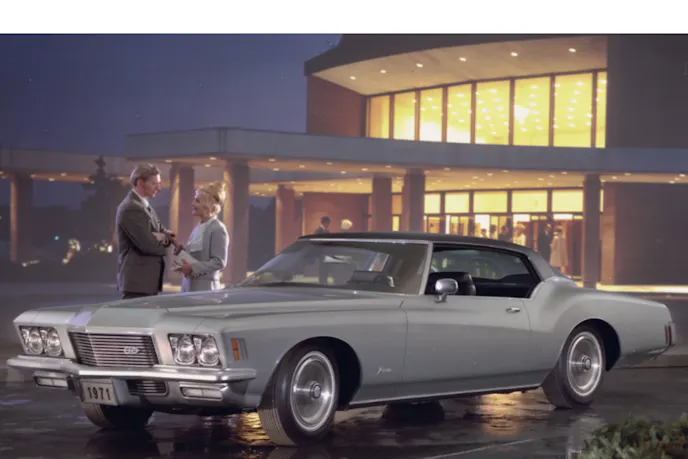
General Motors introduced the world’s first computerized traction control system, capable of detecting and preventing wheelspin when driving in slippery conditions. Dubbed Max Trac, the system debuted as an option on the 1971 Buick Riviera, kicking off more than 50 years of GM advancement in computerized safety systems. By the following year, it was available across the Buick lineup.
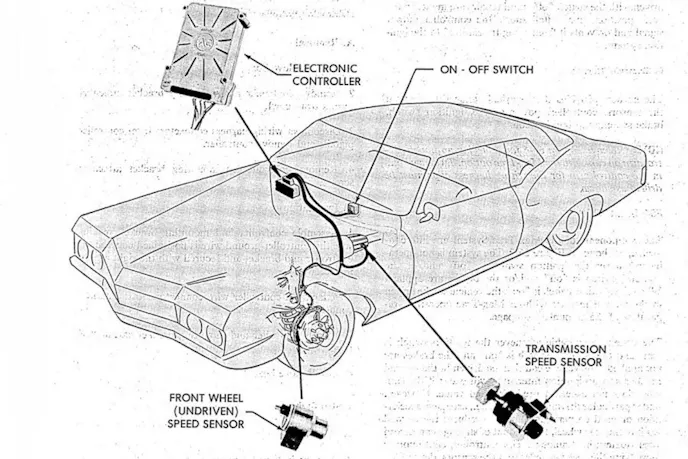
Click here to read Chris Perkins’ article that delves into the past, present, and future of traction-aiding technology. From the rudimentary beginnings of Max Trac to today’s astoundingly capable GM EVs, the evolution of traction control encapsulates the spirit of continual innovation that drives everything we do at GM.
While this technology has expanded to the point where you have to toggle through multiple screens and hit numerous buttons just to do a simple burnout in your 600-horsepower modern muscle car, it allows the car companies to dial in enough safety to allow them to sell stock cars that make over 1,000 net horsepower — or about four or five late-’70s Corvettes combined.
You might also like
Sick Matching-Numbers Mopars Sold At Barrett-Jackson 2026 Las Vegas
Rare vintage Mopars dominated the Barrett-Jackson 2026 Las Vegas auction. Bidders fought over matching-numbers Cudas and Dodge Daytonas.