
 Finding the right trim panel in a wrecking yard is a crap shoot sometimes, and finding it in the right color is almost like winning the lottery. But you no longer have to discard those trim pieces because they don’t match, because ColorBond paints, manufactured and distributed by Bryndana International, LTD, can transform that non-matching trim to match the interior color of your car.
Perhaps you want to change the interior trim to something other than the current color – ColorBond is perfect for that task, too. Bryndana was founded in 1996 by Malcolm Johnson and has been committed to providing American-made products to enthusiasts, using new technology and advanced coatings for automotive trim and interior.
But ColorBond is more than just trim paint, because it doesn’t just lay on the surface like most ordinary paints do. Instead, ColorBond infuses itself into the material to create a scratch and scuff resistant finish that becomes a part of the trim that it is applied to. ColorBond has also obtained OEM certification from such companies like Ford, Bayliner, Mercury Marine, and others, after years of testing to meet the manufacturer’s quality standards.
Dry spray occurs in a hot climate. When the temperatures and humidity are too high, the pigment dries in mid air and becomes powdery on the surface. -Malcolm JohnsonJohnson says, “Prepping trim panels is really a simple process. Take a scuff pad and lightly buff the surface to open the pores in the plastic and then wipe it down with the prep cleaner.” He said that many plastic trim panels will have a code stamped on the back side that tells you what the material is. For PC or ABS, an adhesive promoter isn’t necessary, but plastics stamped with PPO/PP require it.
“Dry spray occurs in a hot climate,” Johnson said. “When the temperatures and humidity are too high, the pigment dries in mid air and becomes powdery on the surface.” He recommends putting the spray can in a bucket of ice and spinning it for 15 seconds to cool the can. But if the paint is applied in hot climates and the surface has that powdery residue, he recommends using a soft cloth to wipe it down, then using a 1,200 grit sandpaper lightly buffing the surface and then respraying it.
“Being patient and applying the paint in two or three coats is best, allowing it to dry between coats to give it a better overall appearance,” he said. “After using the aerosol product, it’s recommended to turn the can upside down and spraying a couple times to help clear paint from the spray nozzle.”
 The Rat Pack Cadillac
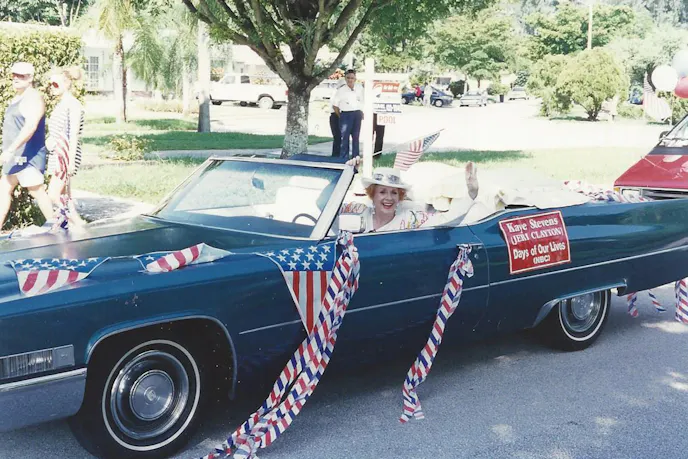
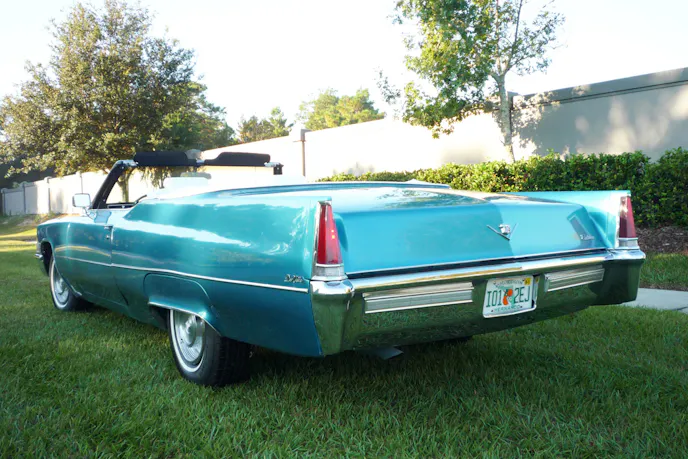
We recently had the pleasure of hooking up with Ken Bolen, who had the task of restoring a classic 1969 Cadillac that has a rather interesting history. The car belonged to Kay Stevens, a singer, entertainer, and night club performer in Las Vegas and New York. Stevens also had strong ties to the infamous Rat Pack from the 1960s, was a guest star on numerous TV game shows, and was close friends with celebrities like Joe Namath, Lou Rawls, and numerous others who spent some time behind the wheel of the Caddy.
ColorBond Paints
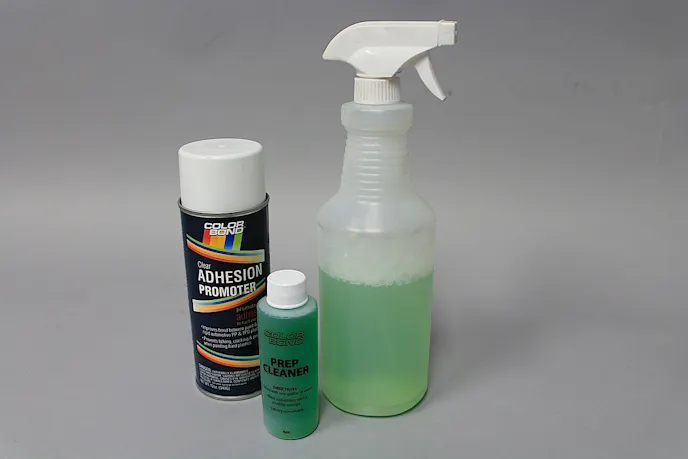
 A few of the many ColorBond products used for this restoration:
- Prep Cleaner
- Adhesion Promoter
- LVP Refinisher
- Carpet Refinisher
In 1994, Bolen had the opportunity to purchase the car from Stevens, who was the original owner. Bolen was the caretaker of a slew of classic and antique cars at the time, and met with Stevens to check out the car for his employer. His employer turned down the car, but Bolen later decided to revisit Stevens and asked if she was still interested in selling the car to him.
The car was in rather poor shape, it had been sitting in a garage for years, wouldn’t turn over, and had 94,948 miles on the odometer when it stopped working. Bolen towed the car to the shop where he was working and during his own time he restored the Cadillac. The car sat for another eight years or so, but during the car’s second restoration Bolen decided to get more involved in fixing the car up.
It had only gone on short drives, and there was a bit of rust on the fenders and quarter panels, but new panels were made or installed and the car received a fresh coat of paint once the extensive body work was done. Bolen had found three abandoned, low-mileage Cadillac parts cars, and that helped greatly to restore the Cadillac.

Complete Interior Makeover
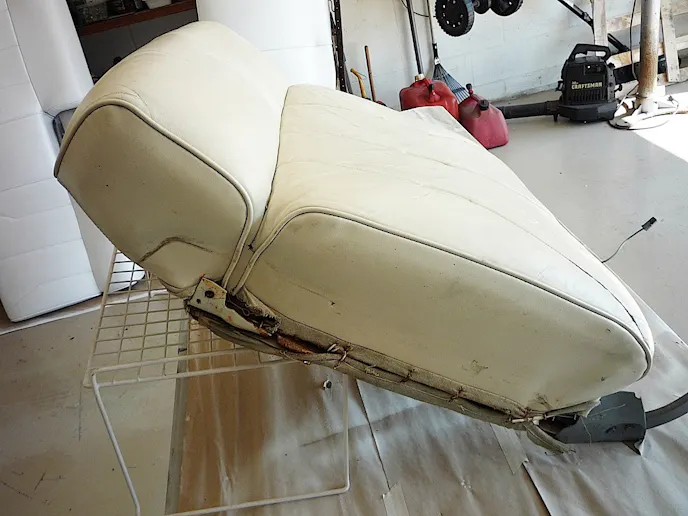
With new sheet metal and a fresh coat of paint, Bolen decided that the interior needed some serious attention. The car was previously driven by Stevens in parades and a few special outings. The interior had weathered and faded quite a bit. Looking at replacing the entire interior of the car was pricey for Bolen, so he opted to contact ColorBond for the products he needed to completely restore the interior of the car.
But ColorBond isn’t a paint like you would think, it’s a finish that is designed specifically for interior trim. After seeing the results, we were very impressed with the coverage and the quality of the products themselves. Most people might consider this type of product for plastic trim panels, like kick panels and dashboard trim. But ColorBond has products for the entire interior of the vehicle – whether the goal is to change the color or just make it look newer.
Bolen started with removing the seats and door trim panels and parts of the dashboard. After years of neglect, the vinyl and plastic began to look pretty bad, but could ColorBond bring them back to life? The simple answer is: yes. But like anything that is refinished, proper cleaning and preparation is required in order for the new material to adhere properly.
Step One: Prep Cleaner
ColorBond has worked tirelessly to create the proper products to help with this adhesion, and the first step is to thoroughly clean the component being refinished. They provide all of the instruction for you, and have the Prep Cleaner for preparation, and a clear Adhesive Promoter that will help the paint bond to the component.
To clean the vinyl, leather, or plastic components, a mild soap can be used to remove surface grease and dirt, but the Prep Cleaner as a second step will do a more thorough job. The Prep Cleaner isn’t a solvent, it’s an aqueous-based upholstery cleaner that is formulated to provide the type of deep cleaning that is necessary to prep the material. This will help remove any oil or grime that was left behind, ensuring a clean surface for adhesion. The Prep Cleaner is condensed to four ounces, and is diluted in a gallon of water, a spray bottle is best to apply the cleaner.
Step Two: Adhesion Promoter/Final Coat
Adhesion Promoter is used next on hard plastics, knobs, dashboards, and other plastic trim. This prevents any flaking or chipping that might occur by providing a plastic primer that bonds to the surface, allowing the paint to bond to the component. LVP Refinisher can then be used on any hard plastic trim or components to create a lasting, chip free finish.
For leather or vinyl, or any soft material inside the car, the LVP Refinisher will adhere to the material and bond with the clean and prepped surface. The formula is designed not to crack or peel, and even seats can be refinished with LVP Refinisher and it will remain flexible, unlike regular paints.
For carpeting, ColorBond’s Carpet Refinisher can be sprayed directly onto the clean carpeting in the car, this includes floormats and carpeted trim panels, as you can see in the 1969 Cadillac. The product applies just like any aerosol product but will take a faded carpet and restore it to like-new appearance. Applying it in light, multiple layers will give you the best results, and it dries completely in approximately 30 minutes.
Finishing Up The Project
Bolen explains that if there are any runs or drips, or bad applications from too much spray on plastic components, the component can be carefully wet sanded with 500 grit sandpaper and refinished.
Because of the product’s bonding and elastic qualities one should not let the gun sit for hours on end without disassembling and cleaning the gun thoroughly. -Ken BolenHe highly recommends using the Adhesion Promoter for had plastic components, noting that without it there will be an adhesion problem between the component and the paint.
Bolen added, “Because of the product’s bonding and elastic qualities one should not let the gun sit for hours on end without disassembling and cleaning the gun thoroughly.”
He also recommends this because running lacquer thinner alone will not completely clean out the interior parts of the spray gun.
ColorBond has numerous products for restoring the interior of your vehicle, and as you can see by the photos of the Kay Stevens 1969 Cadillac, the results are incredible. After years of being in the restoration business, Bolen said, “I found ColorBond to be a quality product. It flows well and evenly and it covers well. It has good filling qualities for very small imperfections.”
Instead of spending about $3,000-5,000 on a new interior, Bolen spent about $300 on products to completely refinish the interior, a tremendous savings for those who are on a budget and simply want to renew or change the color of their interior. You can find out more information about ColorBond at their website, or you can keep up with the latest news and information on shows and other projects like the 1969 Cadillac that Ken Bolen restored on their blog.
You might also like
Rare 1-of-35 Race Hemi And 413 Ramcharger Dart Street Mopars
You might say Lee is a Mopar guy. In his collection are these two, a ’69 Hemi Road Runner, a ’70 Hemicuda, and 19,000-mile Superbird.