
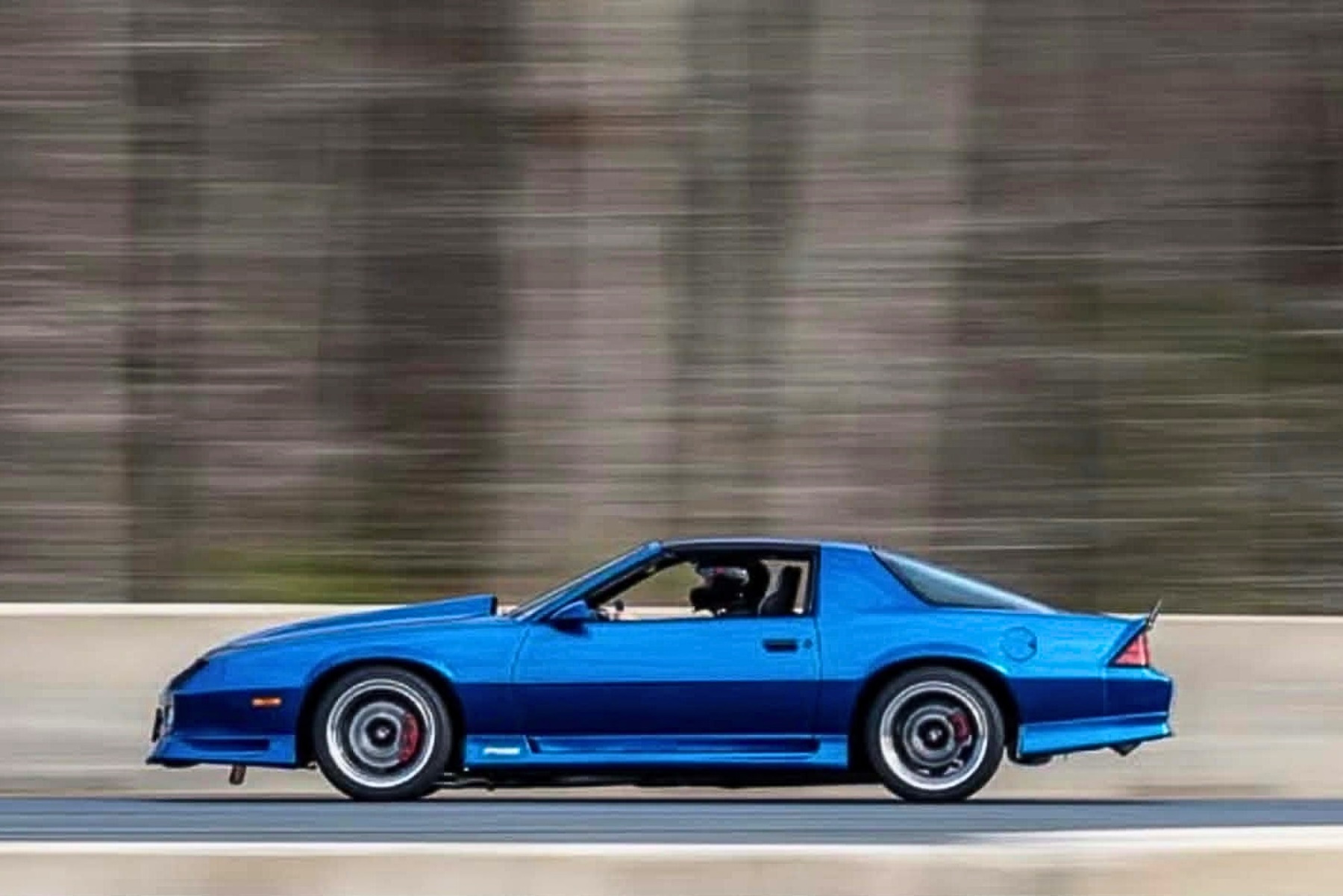
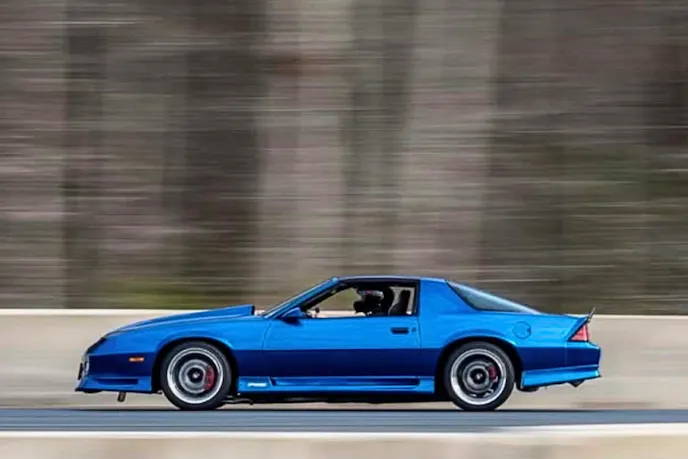
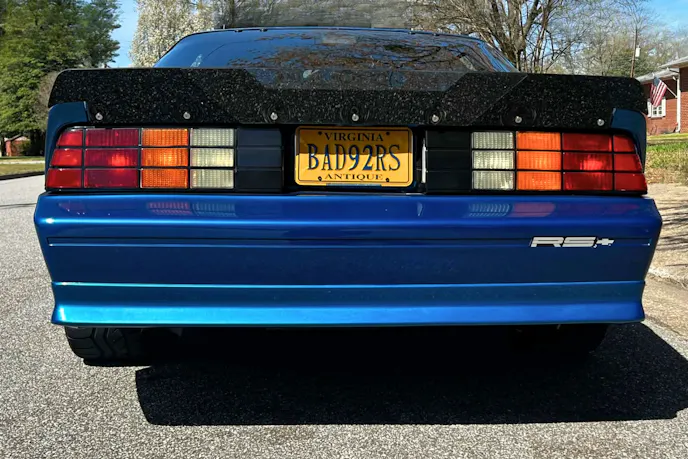
News flash: You don’t need an LS engine to have a great car. I know! It’s shocking, right? It seems like everything we see, whether at Cars & Coffee or a major auto show, has LS (or LT) power. Doesn’t matter if it’s a Tri-Five Chevy or a Mustang or Firebird. But Randy Ward’s 1992 Camaro RS proves you don’t need modern power to have a dynamic street machine.
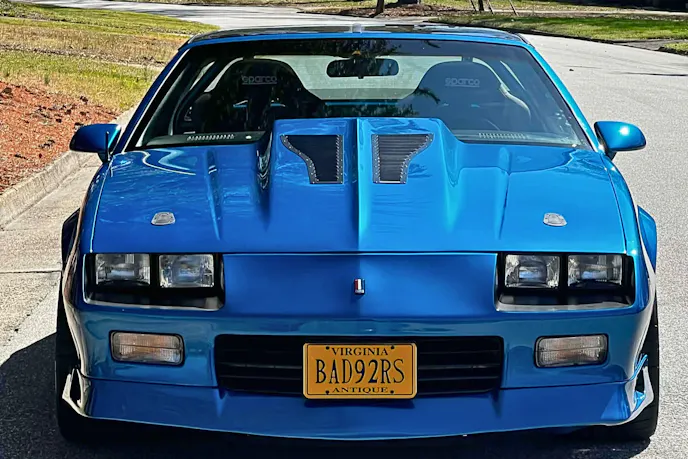
It also shows you don’t need a huge, fancy garage with a lift, either. The entire build, including paint, was done in the owner’s 20×20 garage. That’s kicking it old school.
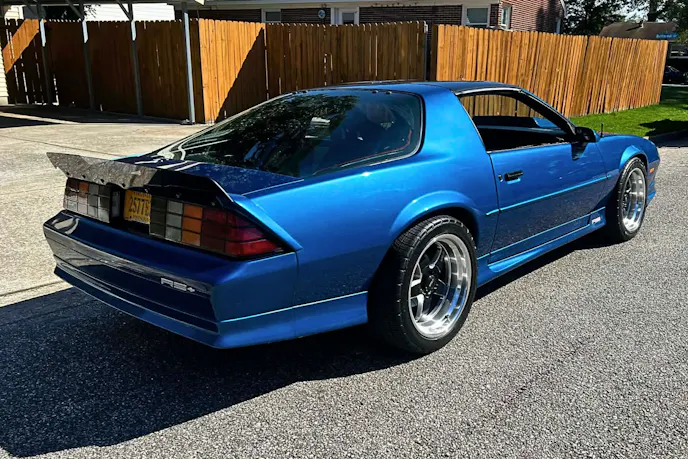
This 1992 Camaro RS was purchased new by Randy’s neighbor. It was in pretty good condition, but one day the engine quit and the car was parked. Randy tried to buy it for quite some time, but his offers were rebuffed. Finally, it was go-time. He paid the neighbor $800, pushed the car across the street into his garage, and got busy.
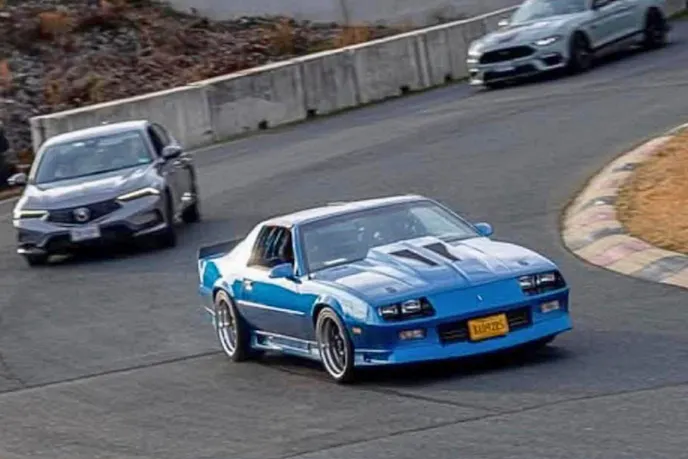
A little detective work revealed that the fix was simple: The distributor module went bad. Once replaced, the bright blue F-body fired right up. But that was just the beginning. Randy built his first engine at age 15 and he knows his way around Bow Tie blocks, both big and small. He assembled the 565-inch Rat that powered his previous Camaro, a ‘69, to high 8s at 152 mph, but took a different path with the third-gen. No, not one that included an LS1, 2, 3 or 7. He kept it traditional, with a 383 Gen-1 small-block.
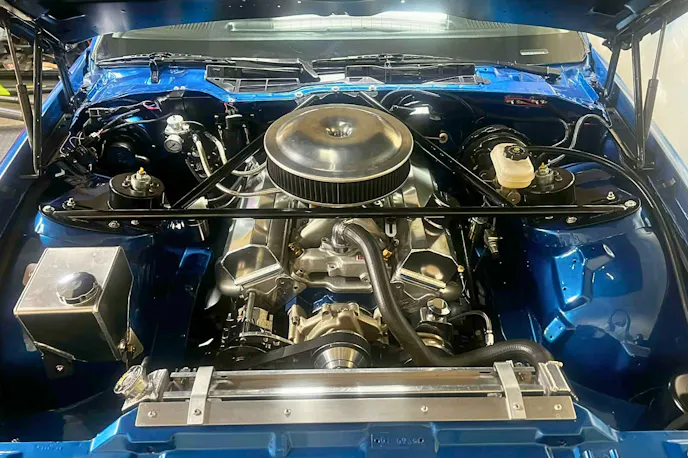
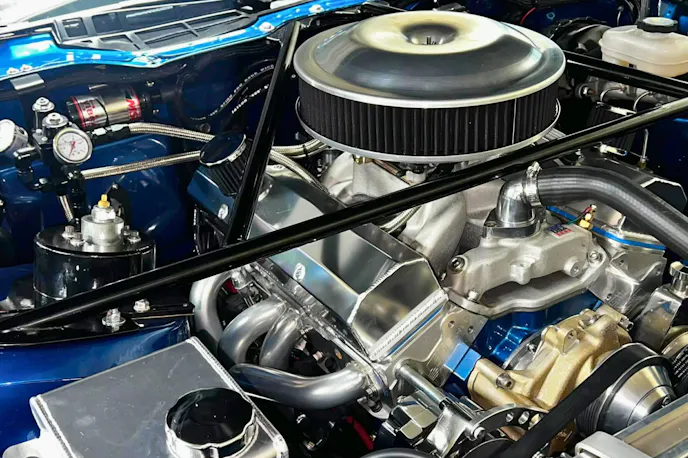
Because the build began during Covid, he had trouble putting his hands on a used 350 four-bolt main block. This forced him to place a call to Smedding Performance for a complete short-block.
Traditional Engine Choice
Covid forced him to place a call to Smedding Performance for a complete short-block. It included a brand-new GM block, a rotating assembly with Keith Black hypereutectic pistons, a forged rotating assembly, and 9.8 compression — perfect for pump gas — and the cost was probably less than what he could have done it for.
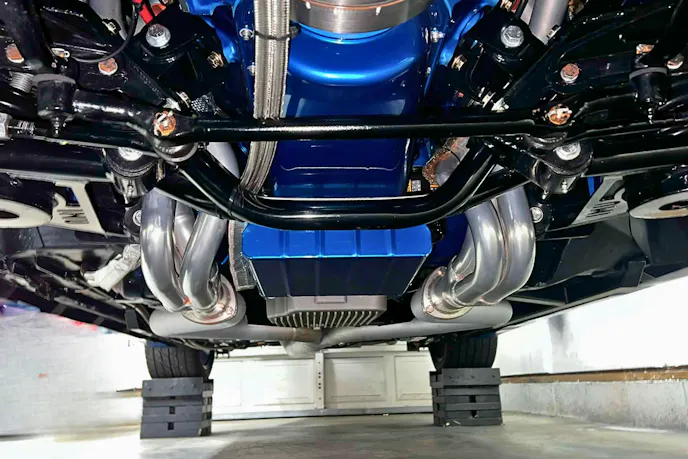
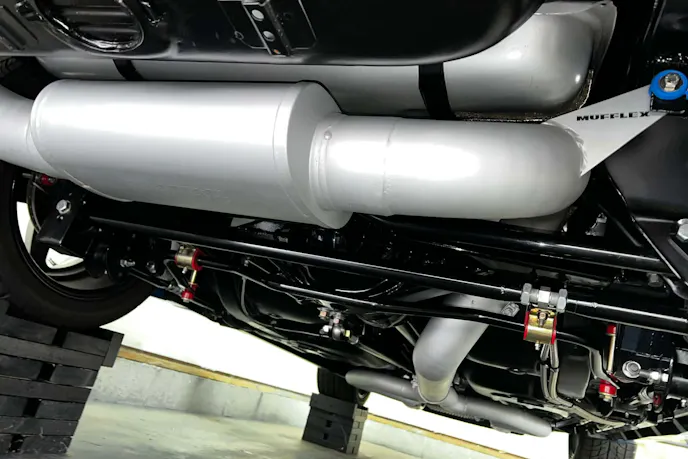
For a cam, he called COMP for a 288HR hydraulic roller with 236/242 duration and .520/.540-inch lift. Cylinder heads are CNC-ported Airflow Research 195 aluminum casts topped by an Edelbrock Air Gap intake and Holley Sniper 2 EFI setup (there’s a phenolic spacer slipped between the Sniper 2 and intake). Hooker headers flow into a homemade Y-pipe and four-inch Magnaflow muffler. Pulling upon his years of experience, he’s estimating the engine make 520 or so horsepower.
“From zero to 6,500 rpm, it just screams,” reports Randy.
A worked Turbo 400 is shifted by a Hurst Quarter Stick (with a button on top for the two-step). It uses a 3500 rpm stall PTC converter and sends the ponies to a Trick Chassis 9-inch rear with 3.70:1 gears and a nodular iron center section. A Strange driveshaft and 35-spline axles are used.
Turning Heads … And Corners
It is a bit ironic that the car uses an automatic but has not seen the drag strip. Randy used a complete complement of UMI suspension goodies, then started doing Time Attack events at Dominion Raceway. Suddenly, he felt less need to go down the drag strip. UMI’s tubular K-member, sway bar and control arms are up front and its weight jacks raise and lower the rear. The third-gen still employs the stock-style panhard bar, lower control arms and panhard bar. Adjustable Koni yellows are at each corner. Randy is amazed at how one or two clicks of the shocks makes such a difference on track.
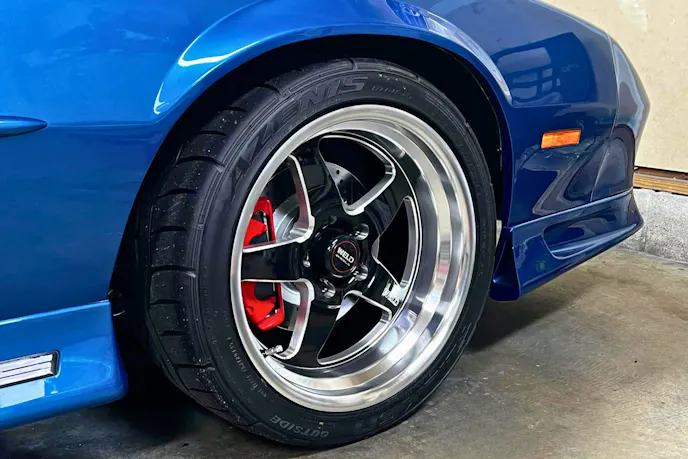
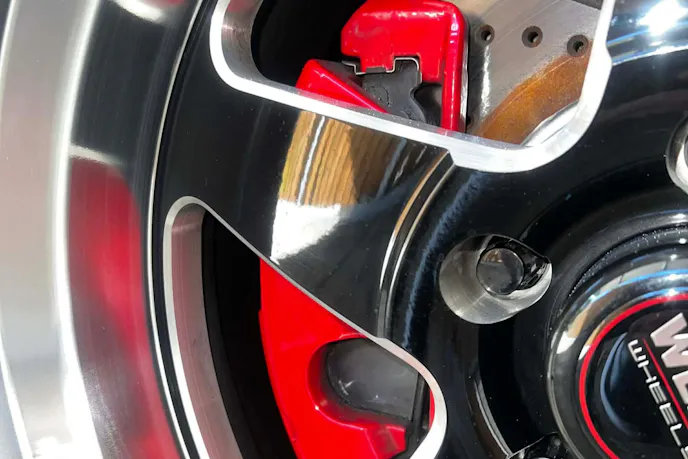
Rolling stock consists of Weld 18×9.5-inch wheels and Falken Azenis 615K Plus DOT-legal road race tires (275/35s all around).
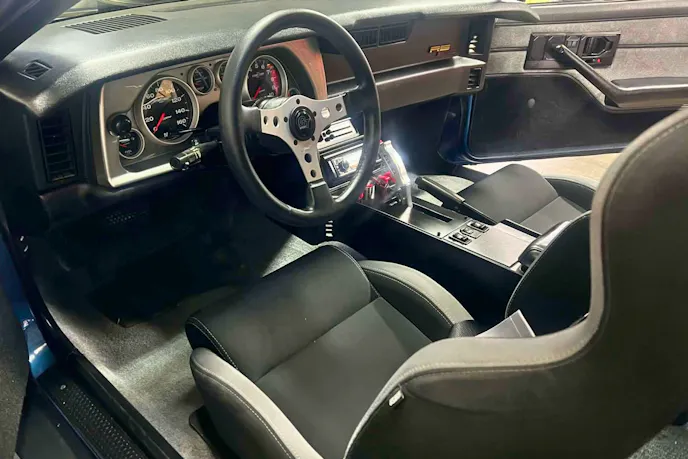
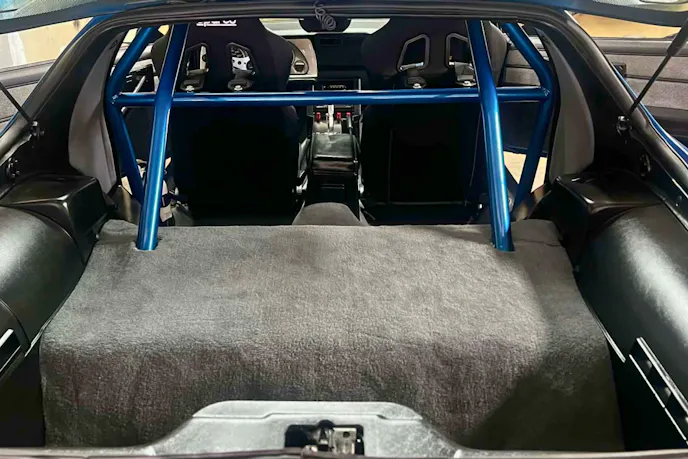
The interior has been fortified with a cage. Sparco seats keep him in place and Classic Dash gauges make sure he’s informed about the goings-on under the louvered hood.
Randy admits he may have gone a little overboard on the spend for this classic, but doing everything himself (including the paint) surely helped. At the end of the day, we’d say he has one of the nicest ’92 Camaro RS builds we’ve seen of late. Even if it doesn’t have an LS engine.
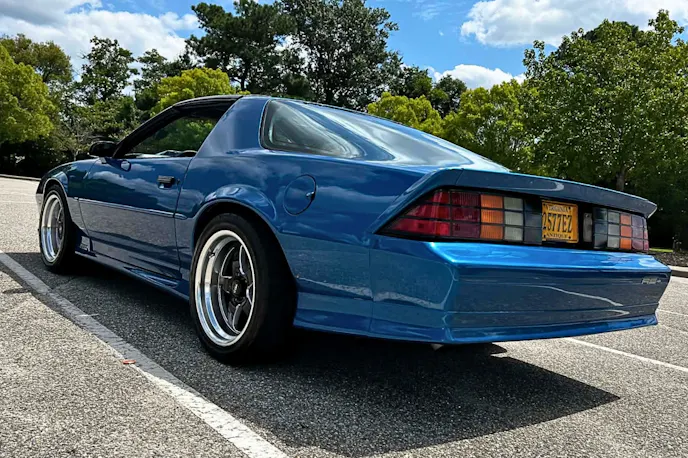
Or maybe because it doesn’t.
You might also like
1956 Chevy 210 Turns $500 Into Patina, Power and Plenty of Miles
To balance power and cruisability, the ’56 was built with a Ford nine-inch. The pro touring Tri-Five chassis came from Graham’s Hot Rod Shop