
With a twist of the key, Matt Keiser’s FE engine cranked, fired and instantly converted gasoline to wonderful music. His stunning ’67 Fairlane 500 settled in with that unmistakable cackle. Cammed for max power, the exhaust note was fierce — even at idle.
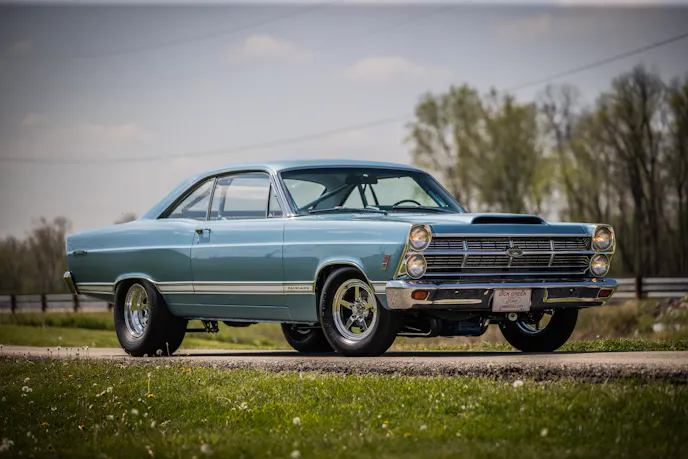
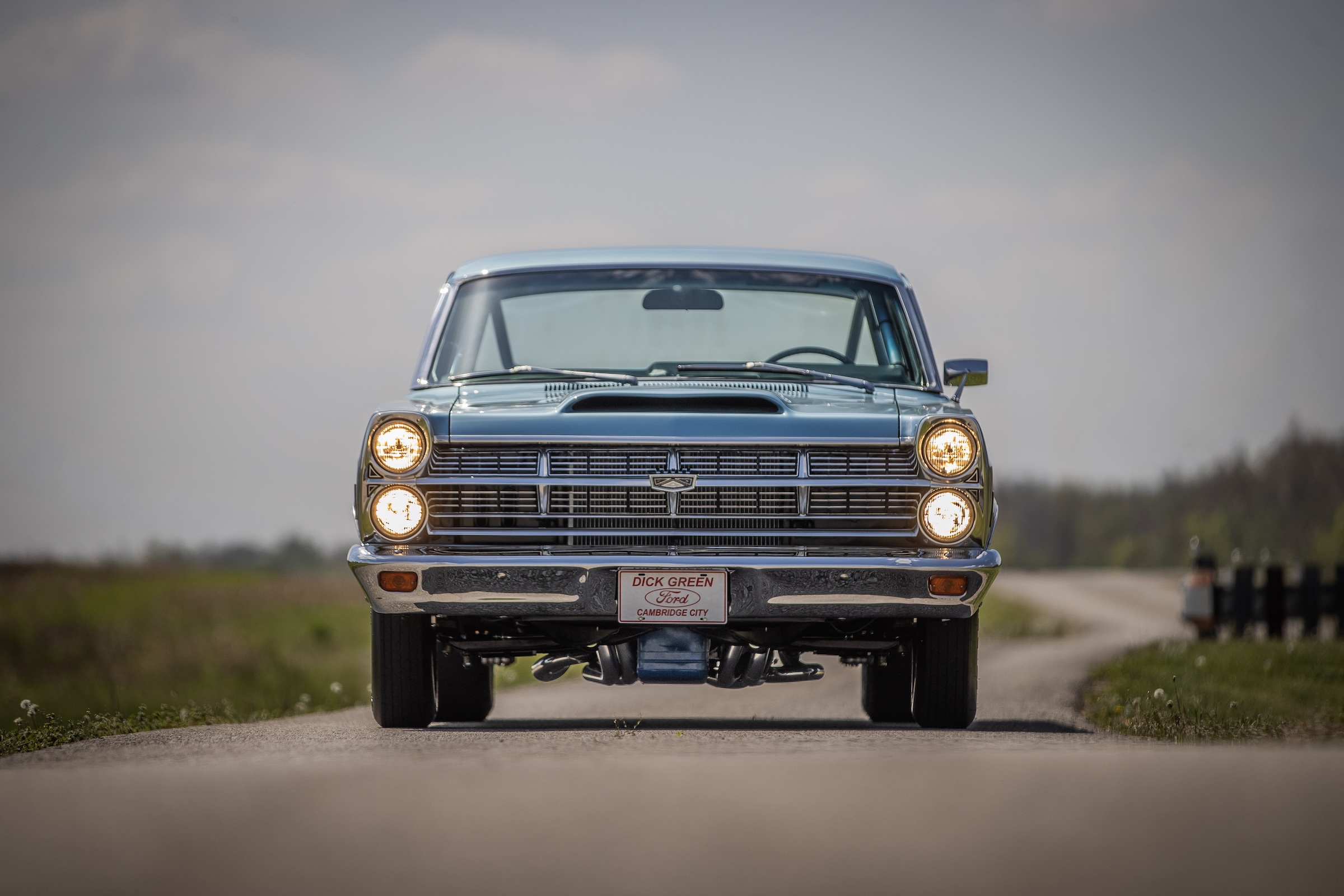
stance, style and performance. (Photo by Kalyn Guenther)
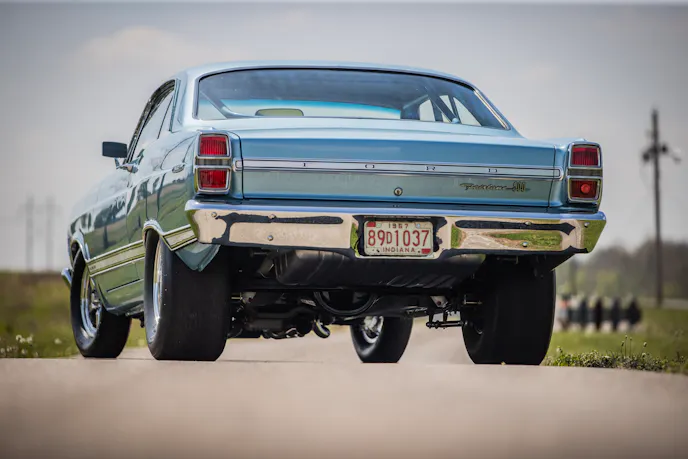
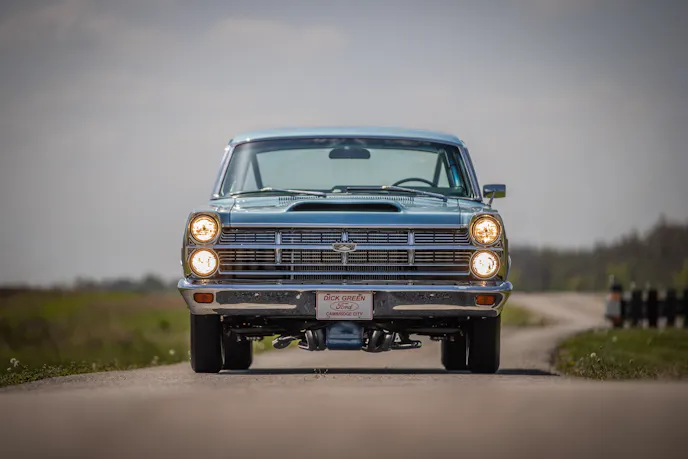
It took 15 years to complete the mission, but Matt and Charla Keiser’s restified ’67 Fairlane 500 is complete and ready for quarter-mile racing and street cruising. If there’s such a thing as automotive perfection, this is it.
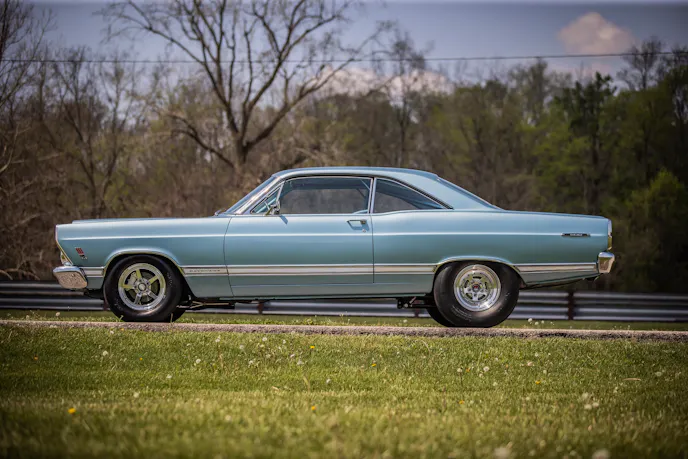
I’ve always had a soft spot for the 427 Fairlanes; I remember as a kid reading magazines and it was one of the first cars I saw. I couldn’t get over that hood scoop; it was unlike anything I’d seen
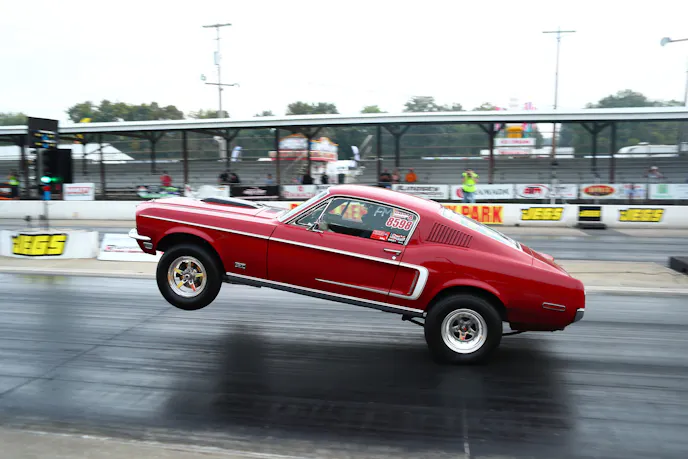
The Keisers are no strangers to fast Fords or FE power for that matter. For years, they blazed the NMCA trail with a ’68 Cobra Jet Mustang clone with a stroker engine that produced huge wheelies and 9-second time slips. Their popular red pony is ultra clean, but the Fairlane is next level.
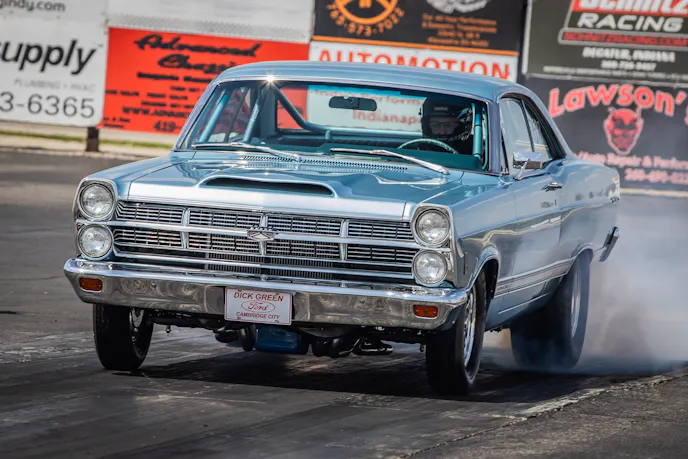
“It has been a work in progress since 2011,” said Matt. “I’ve always had a soft spot for the 427 Fairlanes; I remember as a kid reading magazines and it was one of the first cars I saw. I couldn’t get over that hood scoop; it was unlike anything I’d seen. That scoop is on the leading edge of the hood, it looks menacing. I wanted to know what they were all about, so I read a lot about the history of the R-code models. It was a car that grabbed my attention.”
Ground Up Build
With stacked, forward-angled headlamps and a grille to match, the sleek hardtop roof and handsome lines, many consider the ’66-’67 Fairlanes to be perfectly proportioned. There’s no doubting that Ford’s intermediate body and big engine combos scream “Muscle Car.” Offered with 289, 390 and the rare 427 engines, they thundered on the street, drag strips and even on NASCAR tracks.
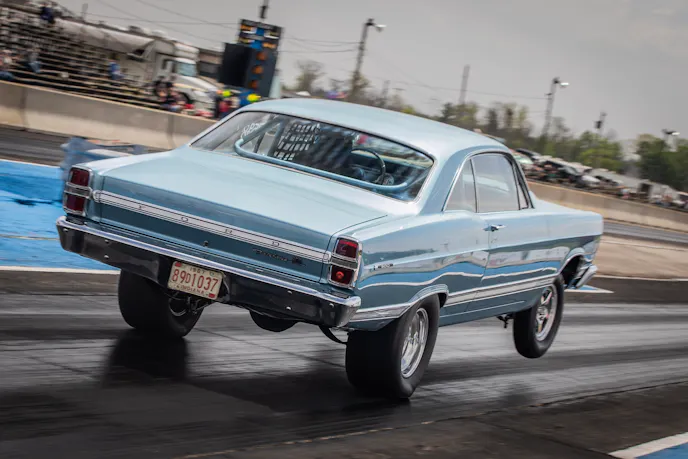
there’s a Ford 9-inch under there, too. (Photo by Kalyn Guenther)
Matt’s build began with a Brittany Blue 289 automatic that featured a two-tone blue interior. His plan, however, was the build a 427-clone worthy of drag strip supremacy and all-star status at cruise nights.
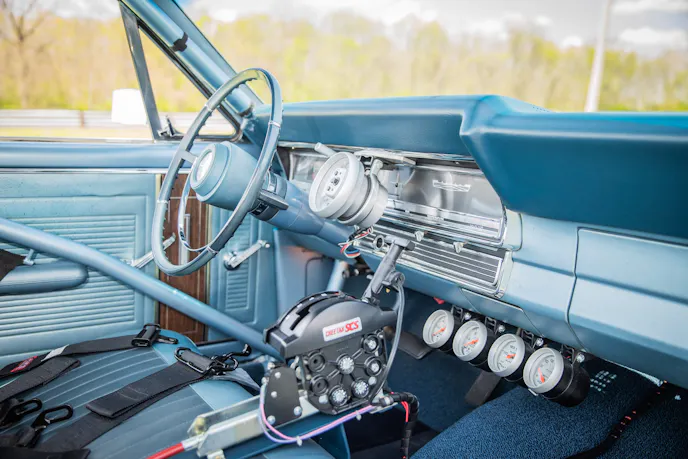
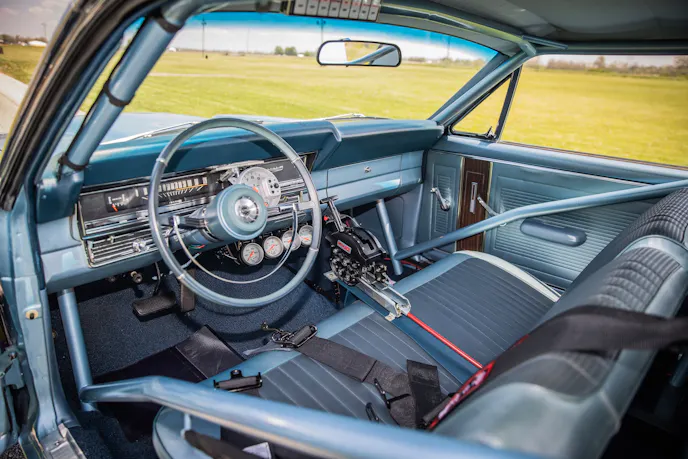
“I looked for a long time for the right car, and this one came out of Missouri. It was in an estate sale, and it was solid. There was no rust, but a straight body panel couldn’t be found. I spent months doing the body work and paint,” Matt said. ”That’s one of the reasons it took so long. It’s the first car I did on a rotisserie, and I wanted the underside to look as good as the top.”
The Fairlane was stripped and a roll cage installed as per the NHRA 8.50 rules. “I wanted the cage to be invisible when you’re standing back and looking at the car.”
He accomplished this by aligning the main hoop with the break between the door and quarter-window side glass and he fit the front bars as close as possible to the A pillars. To complete the look but stay legal, the rear hoop supports are hidden by the C pillar before dropping through the package tray into the trunk.
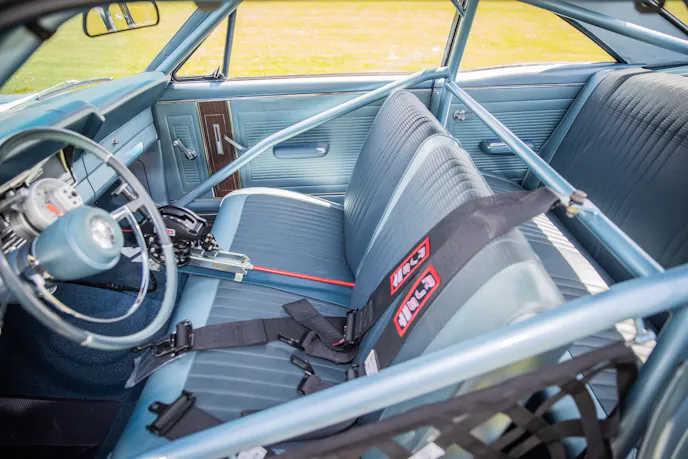
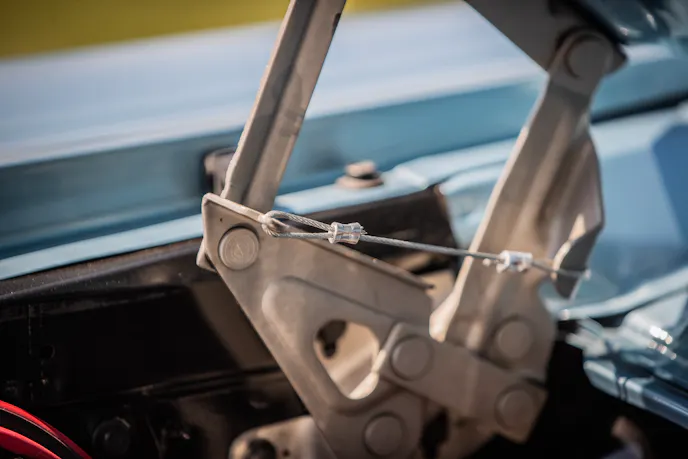
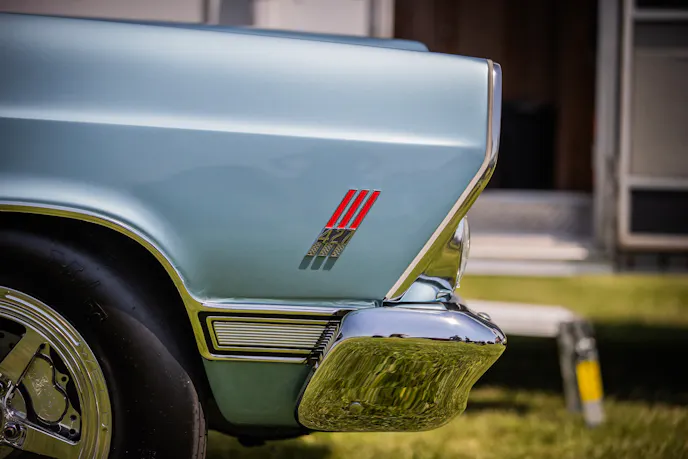
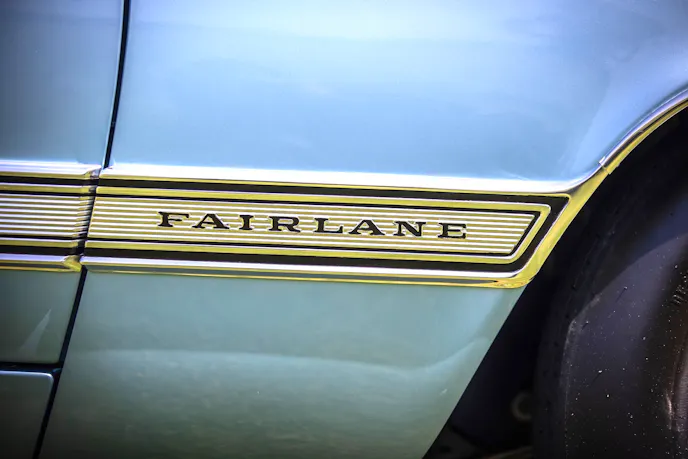
Countless hours went into body prep, including the reproduction 427 hood, which uses hinges with the springs removed to maintain the integrity and prevent flex. He even fabricated cables that are easy to install in place of the springs to hold the hood open. Each body panel was smoothed, every gap adjusted until uniform, and ultimately the ’67 Fairlane 500 was treated to multiple coats of Brittany Blue. Meanwhile, all 32 pieces of trim were meticulously restored.
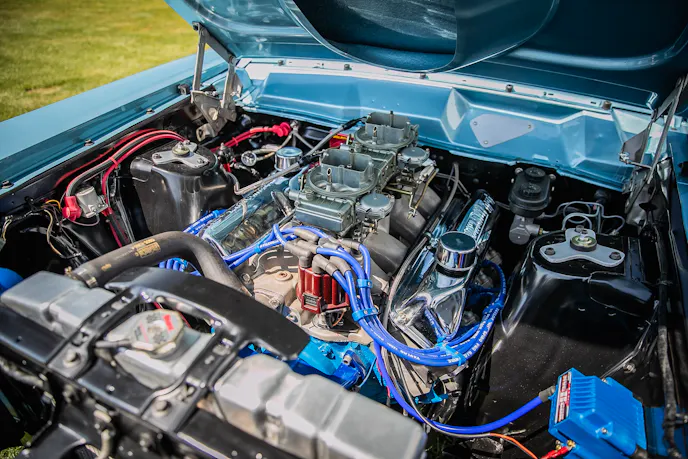
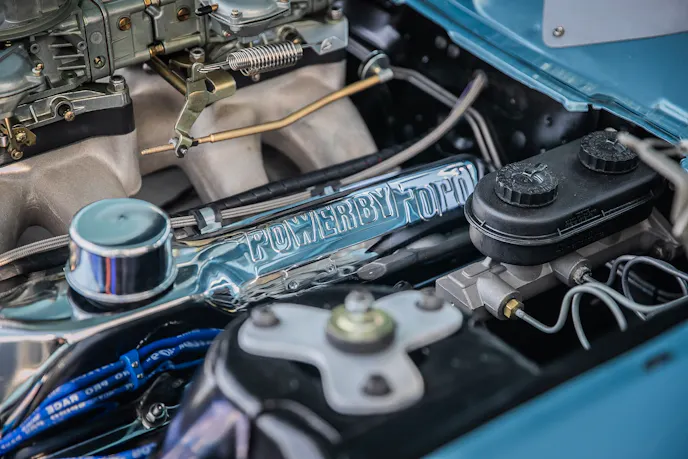
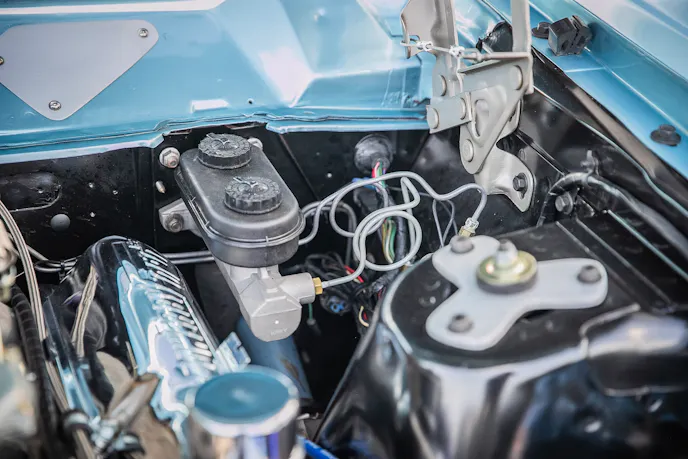
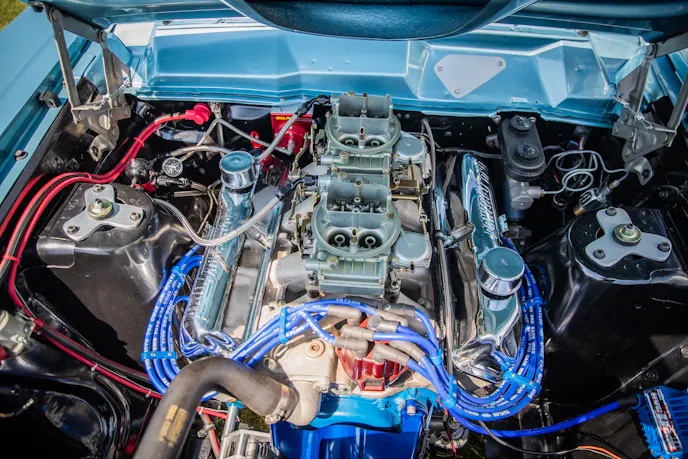
“Every molding and trim piece was stripped, polished, anodized, painted and carefully installed,” Matt added. “Everything I run is FE-powered,” quipped Matt. “This engine is a 462 cubic inch stroker based around an iron 428 block with a girdle for strength. It has forged internals and Edelbrock heads with 2.19-/1.72-inch valves that I hand-ported. It’s makes roughly 14:1 compression ratio. It has a custom Comp Cams roller stick with 0.630-inch lift and a lot of duration. It doesn’t have a lot of lift because the heads didn’t flow great above .650-inch lift.”
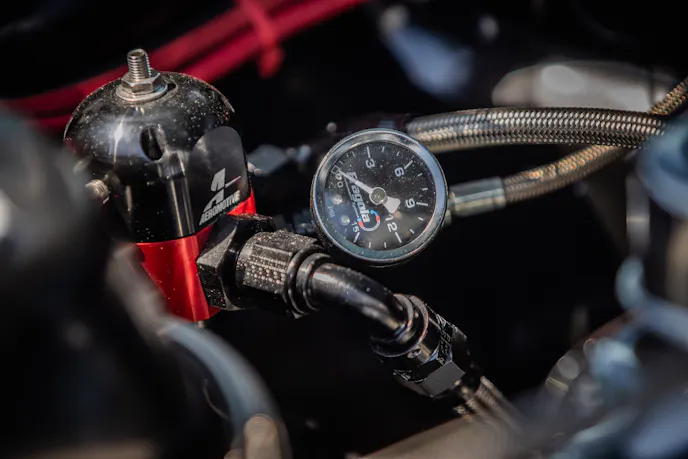
Hiding The Hardcore Stuff
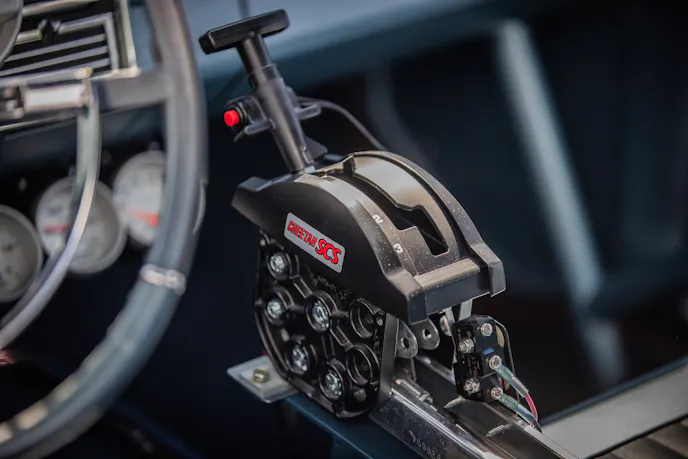
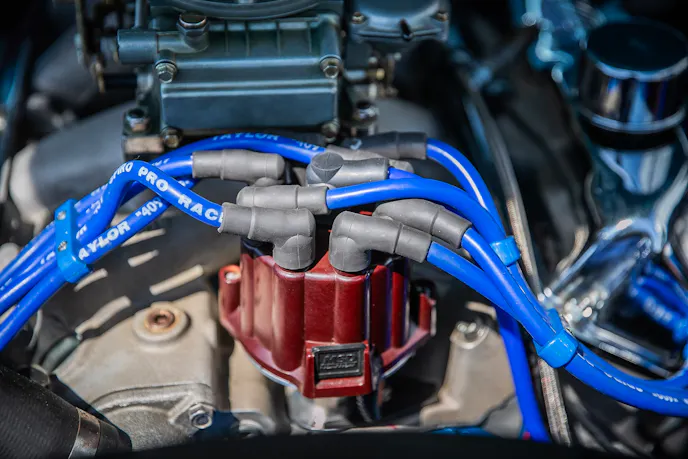
Matt wanted to maintain the stock look from the rear, so he modified a stock fuel tank with an Aeromotive Stealth pump to feed the high-octane fuel to the pair of Quick Fuel 750 carbs that sit on a Dove Tunnel Wedge intake. Exhaust flow is handled by REF headers and there’s a system in the works for street use. The big-inch Ford is backed by a C4 built by Shaun’s Transmissions in Michigan, there’s a Jim Paquet converter and of course there’s a 9-inch with a 4.10 gear.
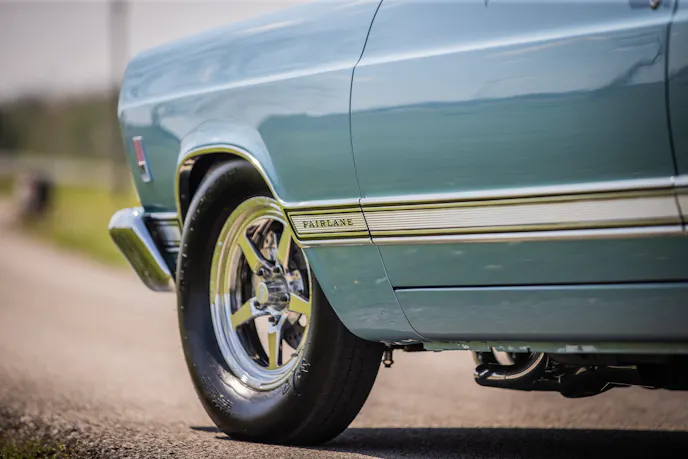
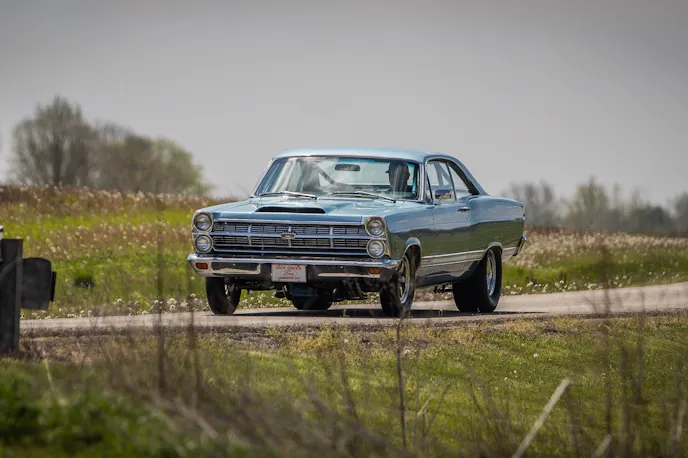
Experience learned racing his ’68 Mustang, made the Calvert Racing Caltracs and mono-leaf springs an easy choice for the Fairlane. This is a proven drag racing setup that’s also streetable. Up front is a typical “loose” suspension with adjustable shocks at each corner and all the bushings are rollerized to prevent bind. Wheels are from Weld Racing, and the disc brakes come from Aerospace Components.
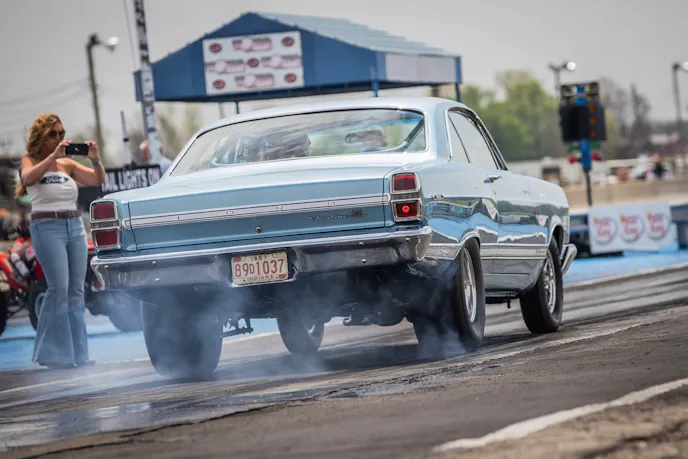
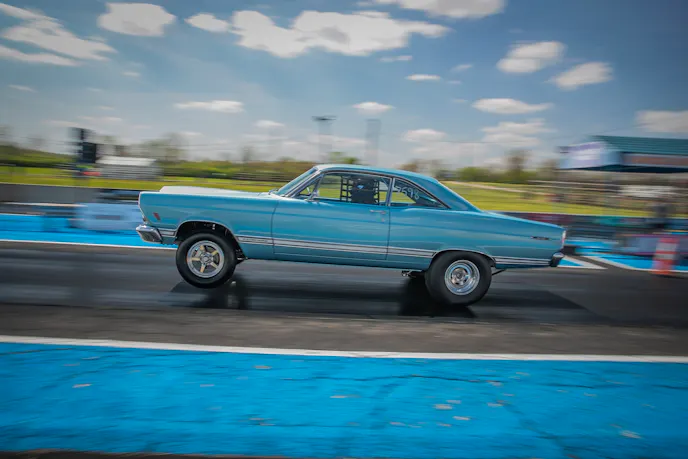
With only a few runs since completion, the best has been a 9.84/135.62 mph, but there’s more left in the Ford. “After sorting out tire clearance issues, we have it launching hard and running solid 9s, so we’re pleased,” Matt stated. “I’m revving the engine just past 7,200 rpm, so we’re figuring out what it likes. There’s always testing with gears and converters, too, so I know the potential exists for lower elapsed times,” he added.
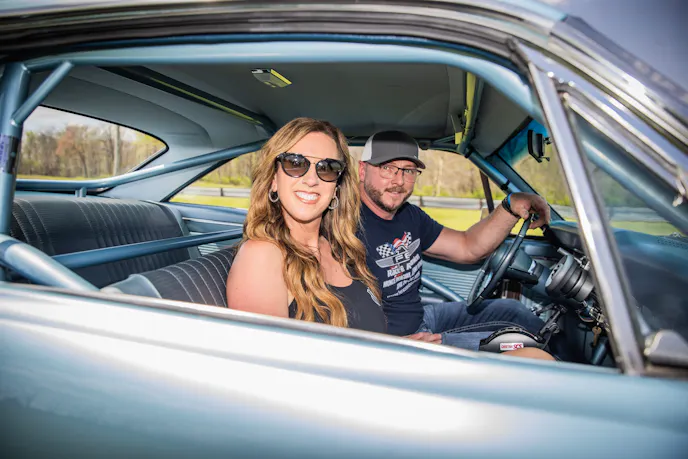
No matter how quick the Fairlane runs, it’s already a winner in our book. It has the looks, sound and performance to be a winner on track or in any show and we look forward to seeing how far the Keiser’s can take it.
You might also like
500-Horse 1962 Bel Air Runs Like A Beast, Looks Like A Beauty
This spectacular ’62 Bel Air is a long way from bargain-bin transportation, which is how it started life. Under the hood is a fully built 383