
General Motors‘ \Milford Proving Ground might be one of the oldest dedicated automotive torture chambers on the planet. GM snapped up the original property, affectionately nicknamed “The Bluffs” for its massive 267-foot elevation change, for just more than $100,000 back in 1923. Since opening its gates in 1924, it expanded from a modest 1,125 acres into a 4,000-acre behemoth. Today, it practically operates as a self-contained city with its own power substation, wastewater plant, and round-the-clock medical team supporting more than 4,200 employees. Out here, test drivers log a staggering 15 million development miles every single year across 150 miles of private roads.
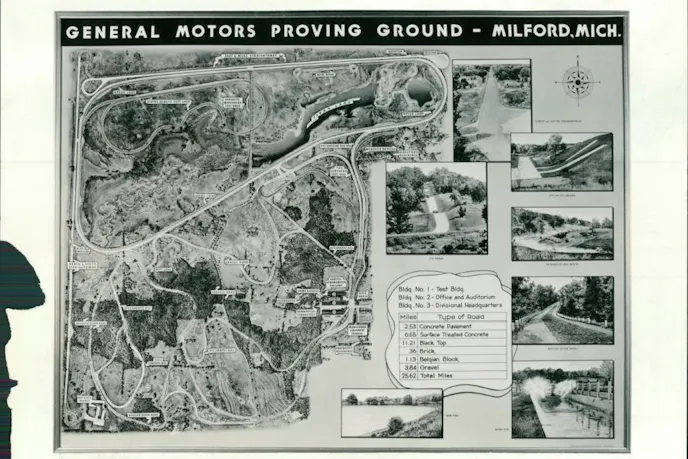
This place is built to push metal and software far beyond everyday street limits. If you need to evaluate dynamic vehicle handling, you take it to “Black Lake,” a massive 67-acre concrete pad roughly the size of 51 football fields. For high-speed track duty, drivers regularly hit 150-plus mph on a 2.9-mile road course packing 17 corners modeled after the world’s most demanding racetracks. When they aren’t wringing out prototype suspensions on the tarmac, engineers bake full-size trucks in climate chambers swinging from negative 40 up to 130 degrees F, complete with simulated 100-mph hurricane winds.
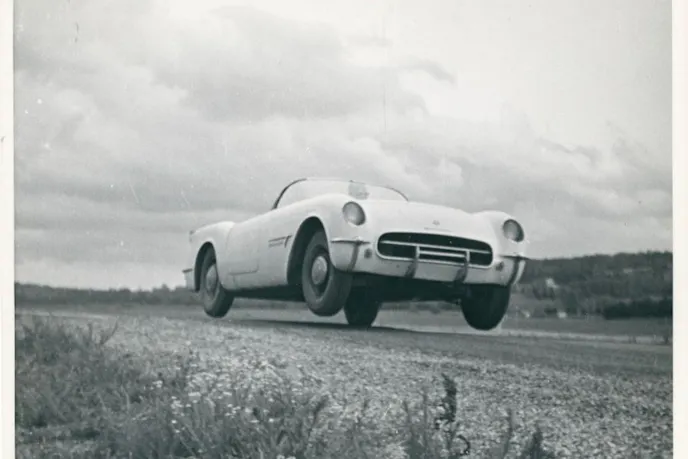
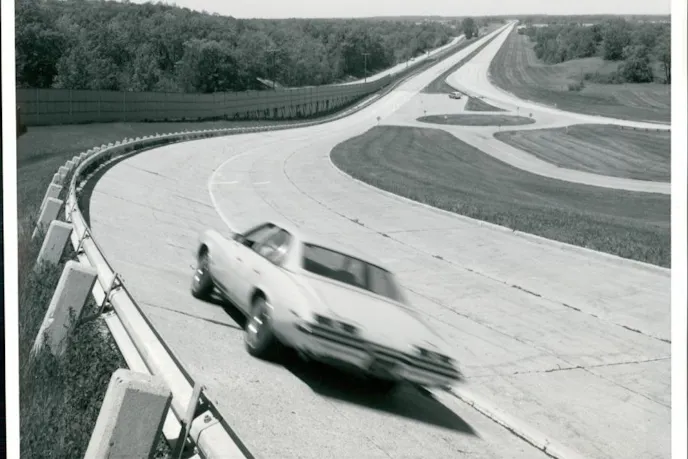
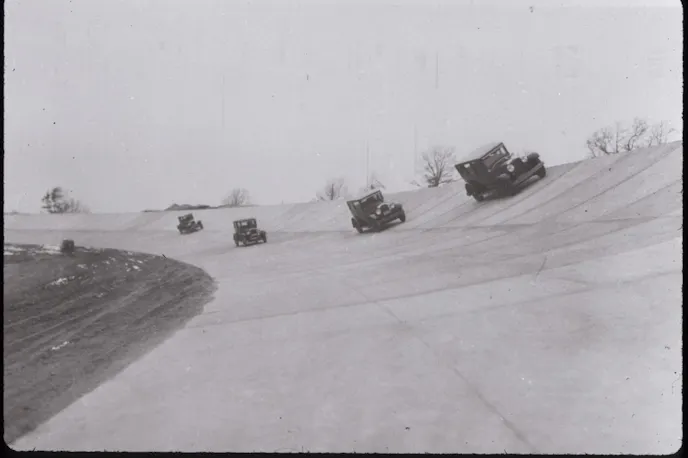
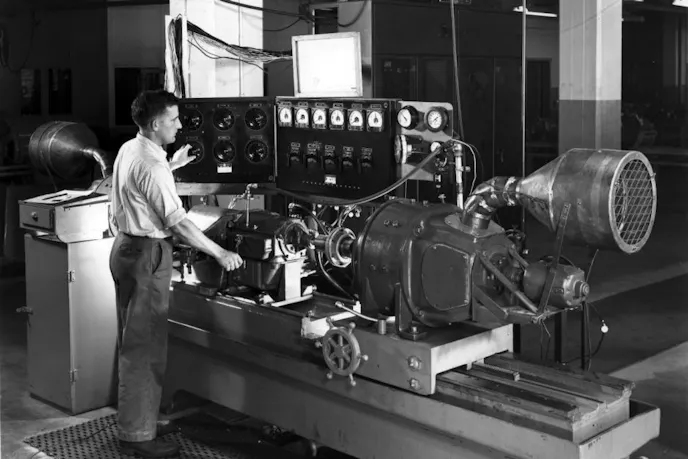
Behind these heavily guarded gates, GM crews basically wrote the book on modern automotive engineering and safety. They ran the industry’s first vehicle rollover tests here in 1934, thrashed the earliest Hydramatic automatic transmissions, and eventually developed the Hybrid III crash dummy using old Air Force ejection seat data. From introducing the first infant car seat in 1969 to dialing in the Super Cruise hands-free tech on modern test mules, Milford has seen it all. Crucially, every single Corvette generation since 1953 earned its stripes on this exact asphalt, right up to the 1,064 hp ’25 ZR1.
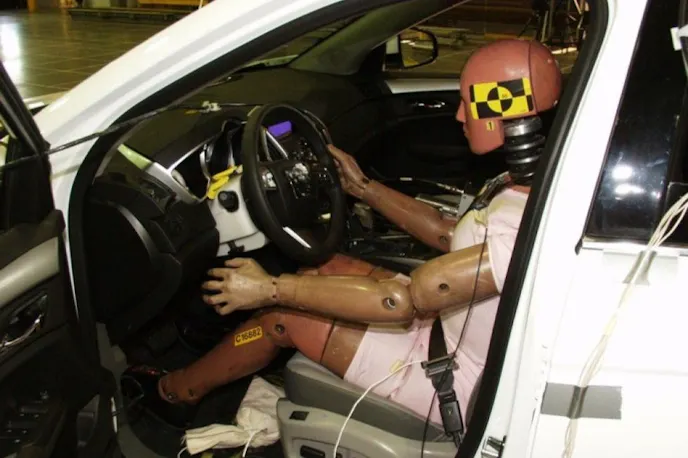
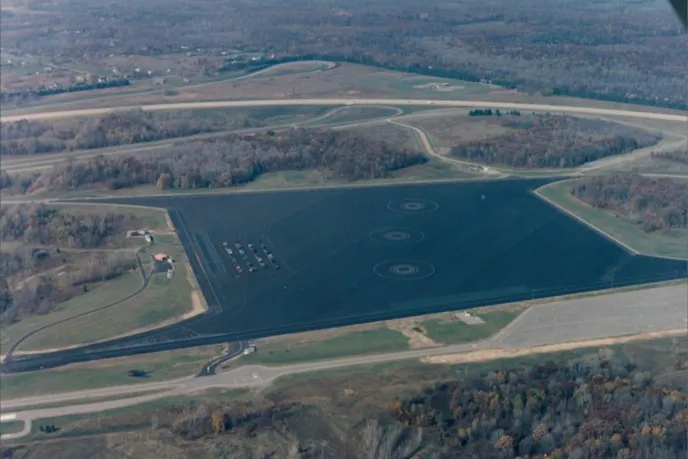
From slamming heavy sedans into 70-ton concrete barriers to pounding prototype chassis against washboard gravel, the crew at Milford proves one thing daily. Physical, real-world abuse still beats computer modeling every time. They keep destroying cars so your daily driver can actually survive the real world.
You might also like
Governor Newsom Has Leno's Law Signed To Protect Classic Cars
Governor Newsom officially had Leno's Law signed in Burbank. The statute exempts qualifying collector cars from biennial smog tests.