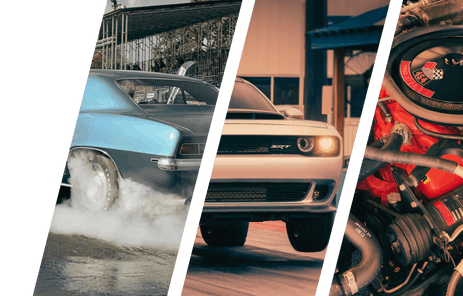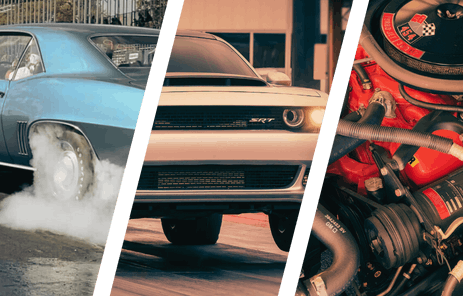

Even the haters have to admit that the Chevrolet small-block is in a league of its own when it comes to high-performance parts development. It has helped the automotive aftermarket to reach unprecedented heights. (The old joke was Vic Edelbrock sold more small-block Chevy intakes than Chevy made small-block engines, and that might not be much of an exaggeration.)
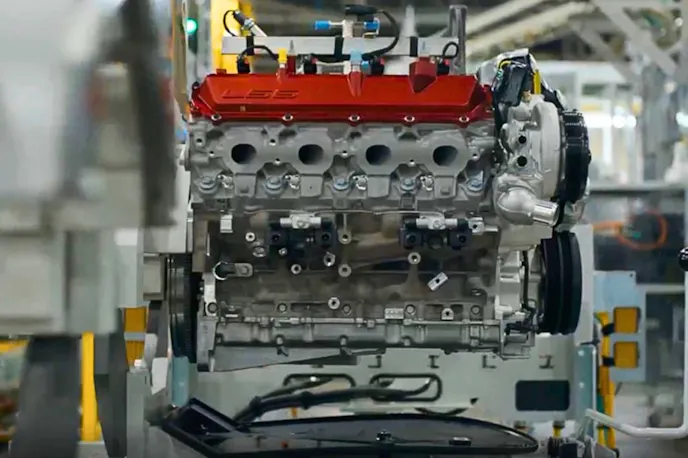
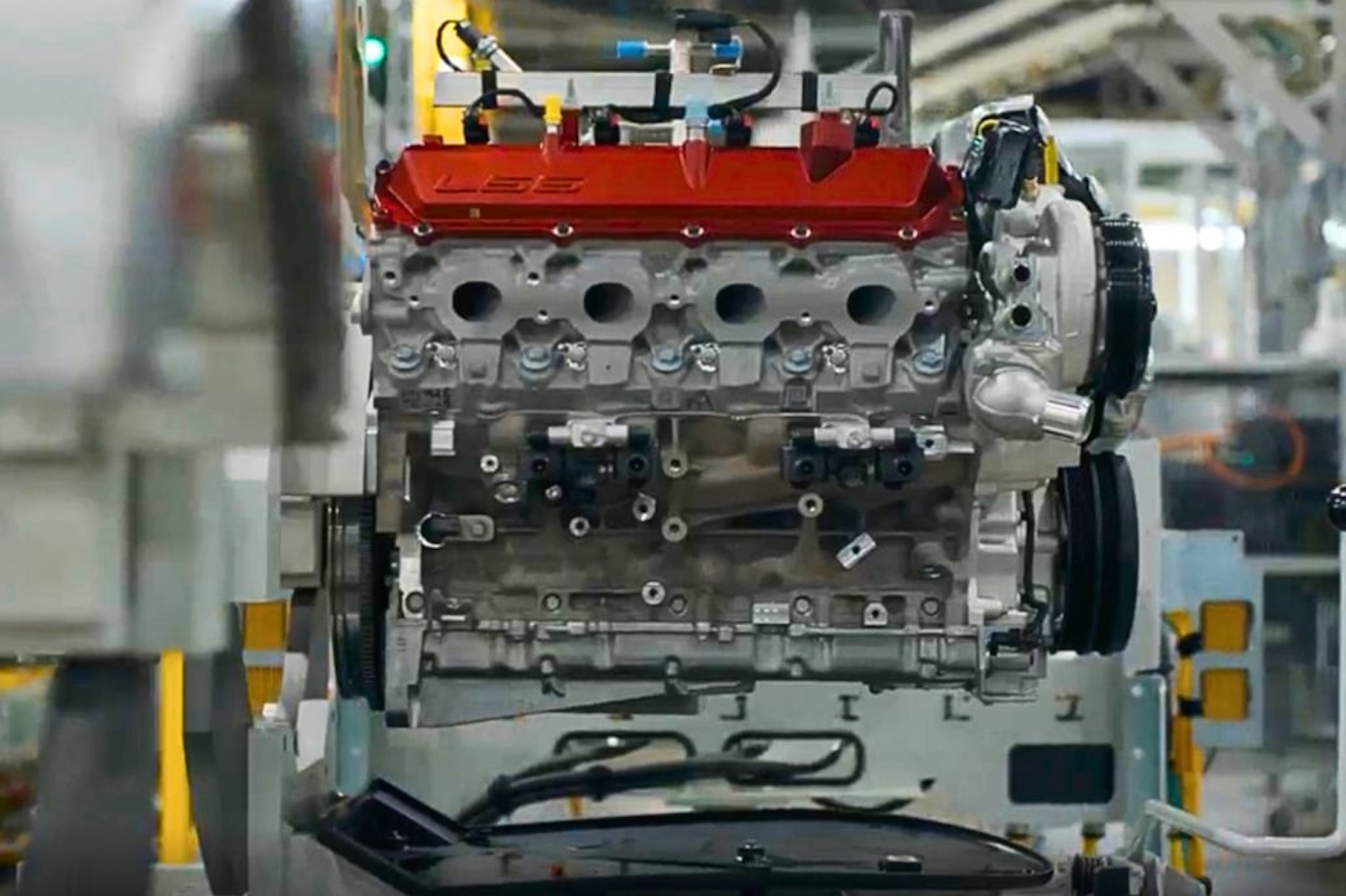
Now, Chevrolet has announced that its new LS6 409 sixth-gen small-block — which calls to mind two entirely different big-blocks — will go into production in Flint, Michigan, right where the famous Gen 1 small-block was assembled in 1955.
The Small Block enters its sixth generation with the new LS6 6.7L V8 for the 2027 Chevrolet Corvette. Said a Chevrolet news story: ”The engine is not just a milestone for its mouthwatering specs — 535 horsepower, 520 lb.-ft. of torque, 13.0:1 compression — but because it brings the small-block back to its birthplace, Flint, Michigan.”
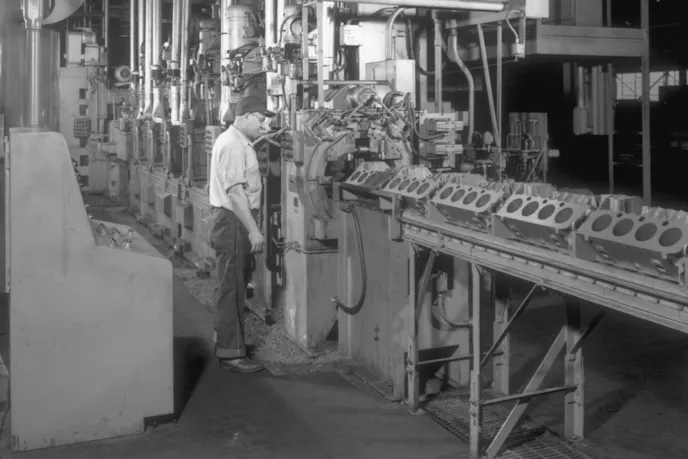
As the small-block enters its sixth generation, Senior Writer Chris Perkins of GM takes us on a tour of the engine’s long journey, and the more-than 100-year history of engine manufacturing in Flint.
For the doubters who dismiss the small-blocks significance, roll this one around in your head: More than 100 million Chevy small-blocks have already been built in America.
The first was 265 cubic-inches. The smallest? The one-year-only 262 of 1975. The largest? The 427.5-inch LS7. The most powerful Gen 1? The 375-horsepower fuel-injected 327of 1964 and ‘65. Gen 2? The LT4 with 330 net horsepower in 1996.
Where does the LT5 from the 1990-1995 ZR-1 fit in? We think (and apparently Chevrolet agrees) that it was not a true descendant of the small-block for a variety of reasons.
Gen 3 was the first LS, which arrived in the 1997 model year. It’s top dog? The 405-horsepower LS6 from the Z06. Then came Gen 4, which topped out at 638 supercharged horsepower.
The next incarnation, Gen 5, was labeled LT1 at its introduction in the 2014 Corvette. Gen 5 peaked with the supercharged LT5’s then-insane 755 net horsepower.
The sixth-gen peaked (without electrification with the new ZR1’s 1,064 ponies.
Now we have the seventh-gen to look forward to, which debuts at 535 horsepower in the 2027 Stingray and Grand Sport. We think it’s about time the base Corvette crested the 500-horsepower mark.
How high can it go from here? That is anyone’s guess. If recent history has shown us anything, it’ll probably be just north of the Gen 6 ZR1’s 1,064, perhaps 1,150 in some future twin-turbo or supercharged form. Can’t wait until this new 409 ends up in a ‘61 Impala Sport Coupe or ‘64 Biscayne, or anything other sick street machine.
You might also like
GM Finally Confirms Chevy Camaro Replacement Details
General Motors officially approved an upcoming Chevy Camaro replacement. The brand new model begins production late 2027 in Michigan.