
If you’re serious about street muscle, you already know what 632 cubic inches of big-block Chevy iron can do. Torque like a freight train, airflow that separates the pretenders from the real deal, and naturally aspirated horsepower that makes boost unnecessary.
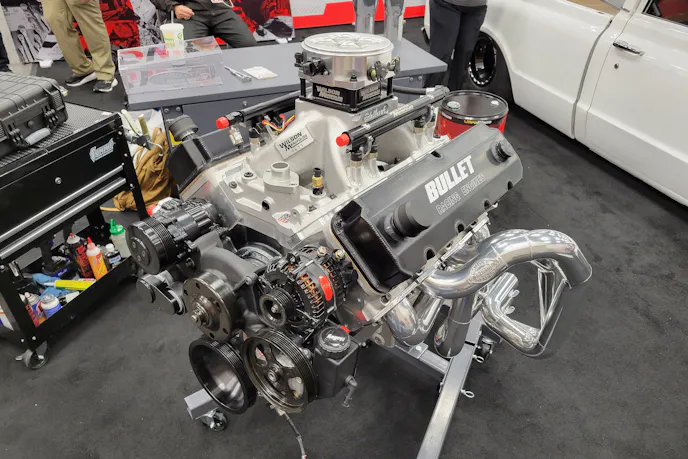
EngineLabs’ giveaway, presented by Summit Racing Equipment, isn’t a crate engine with stickers. This is a fully engineered, EFI-ready, four-digit-capable monster built at the recent PRI Show — and one lucky Street Muscle reader could score it.
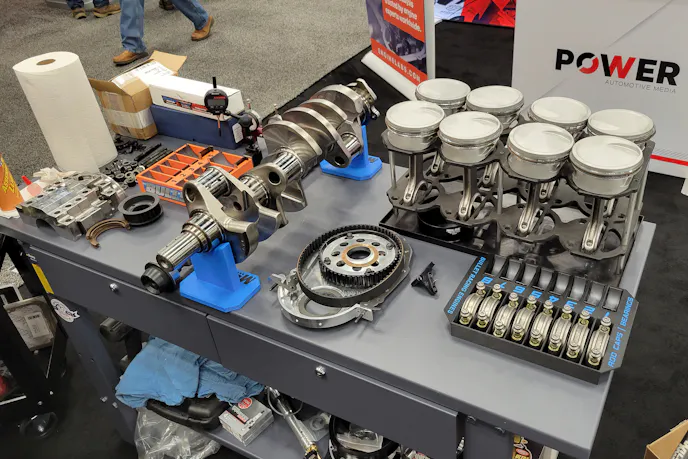
A Bottom End Built to Take It
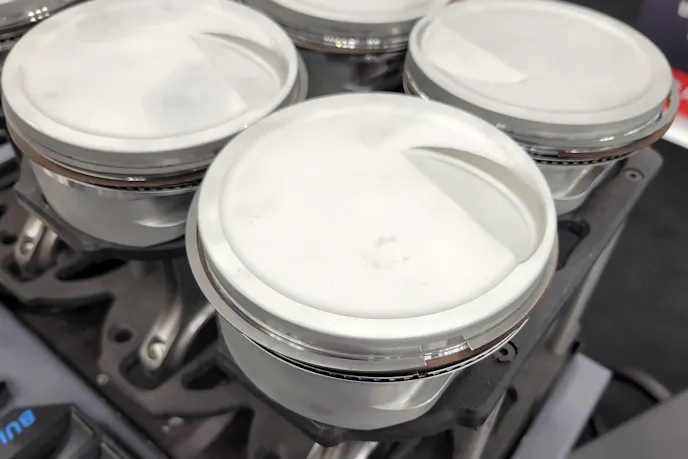
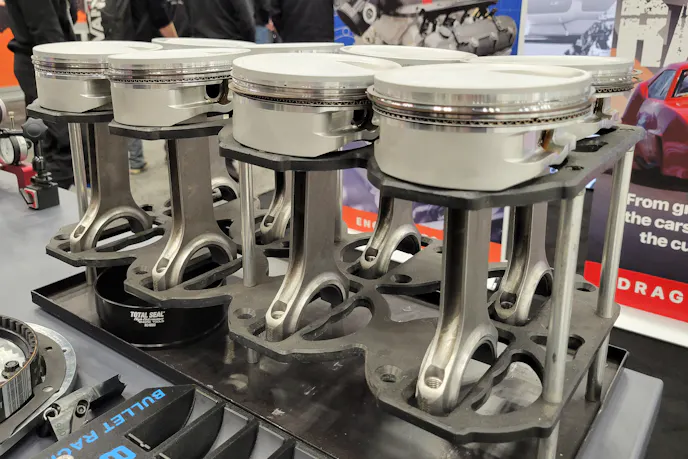
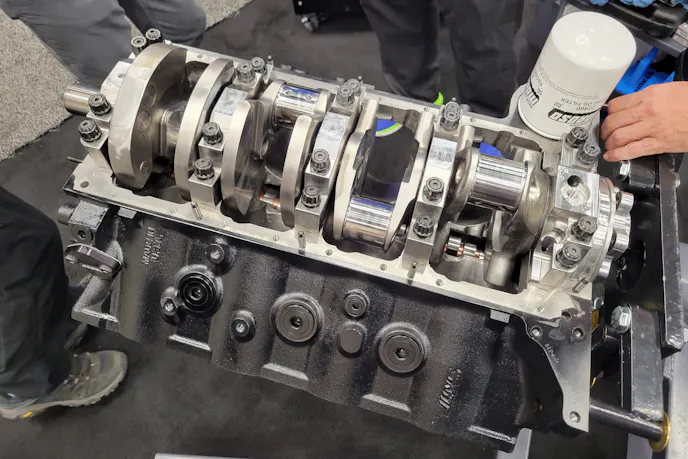
Every monster starts from the ground up. This tall-deck 632 short-block comes together thanks to Bullet Racing Engines, SCAT forged internals, RaceTec 2618 slugs, and a bulletproof iron block from JLine Performance. But the foundation isn’t enough on its own. Bearing clearances are handled by race-proven King Engine Bearings, while file-fit Total Seal rings ensure sealing that separates dyno dynasties from seasonal disappointment.
Fully capable of 1,000-plus-plus horsepower, this 632 big-block Chevy isn’t a dyno queen — it’s ready for a real muscle car —your muscle car …
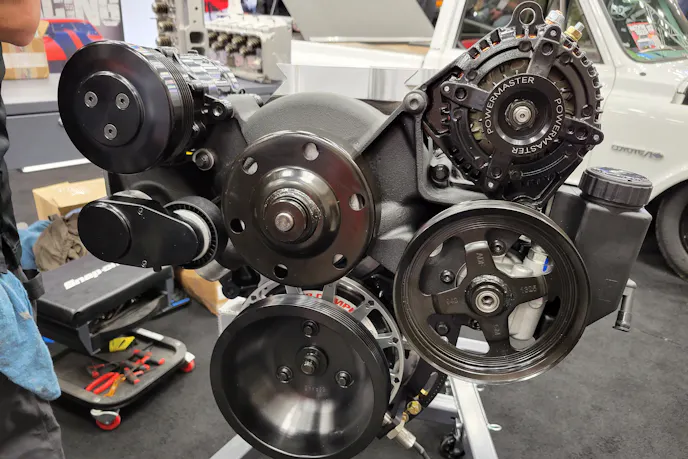
Oil control is taken seriously with a Melling high-volume pump feeding a Moroso race pan, keeping pressure rock-solid under hard launches. Up front, an ATI damper manages crankshaft harmonics on the 4.600-inch stroke — non-negotiable at high RPM. Even the little things matter: A Powermaster starter handles compression without complaint, and Klotz Synthetics lubricants protect the engine during break-in and dyno testing. This isn’t a parts pile — it’s a system built to survive brutal horsepower.
Heads and Airflow: Where the Magic Happens
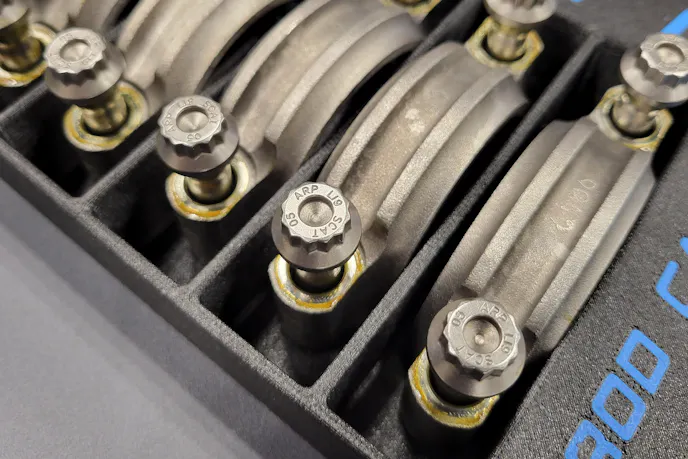
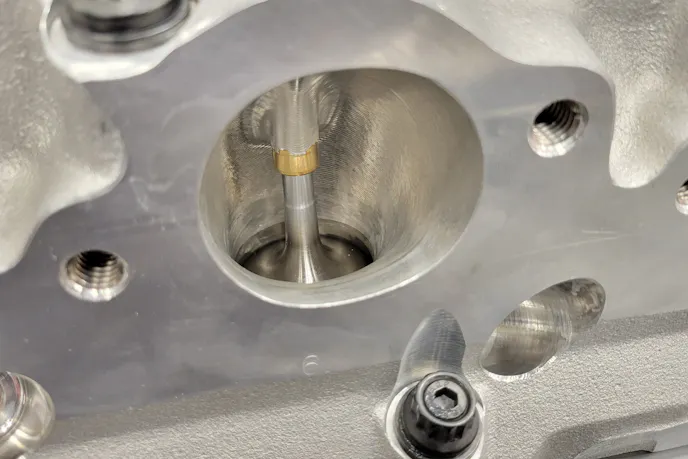
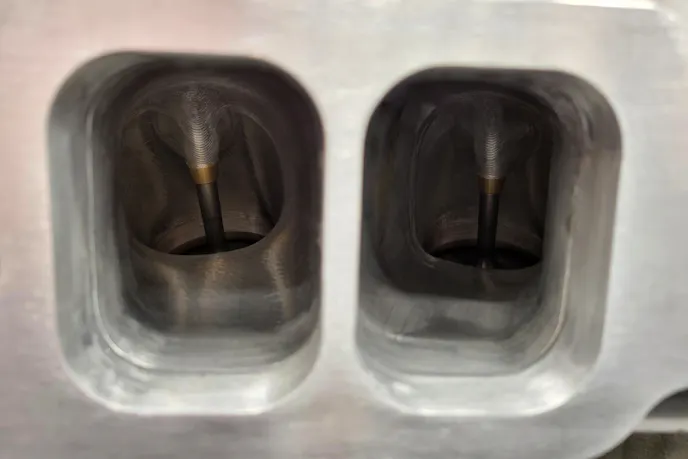
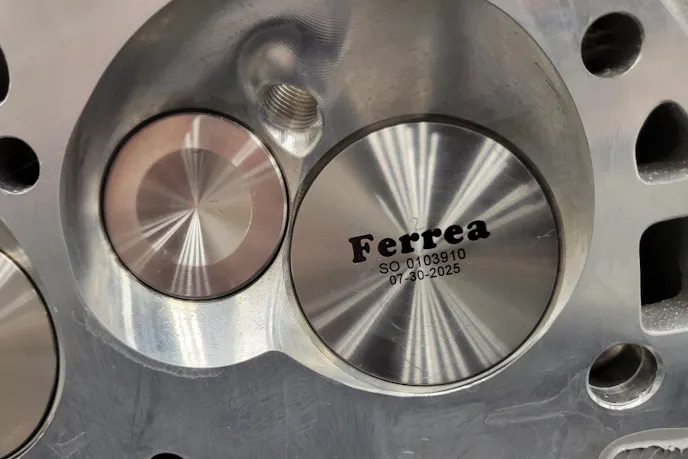
To hold serious cylinder pressure, the short-block is capped with Cometic MLS gaskets and secured with ARP Pro Series studs. On top, Edelbrock DR-17 heads drop in with 17-degree valve angles and 425cc intake runners. Chambers measure just over 100cc, keeping a streetable 10.7:1 compression ratio. Pat Musi’s CNC porting maximizes airflow for naturally aspirated four-digit horsepower, while Ferrea titanium intake and Inconel exhaust valves handle lift and heat with surgical precision — lightweight where it counts, durable where it matters.
Cam and Valvet Train: Big Inches, Smart Timing
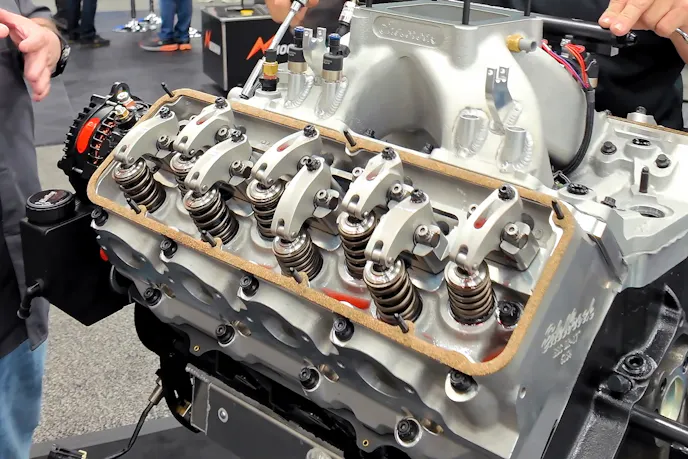
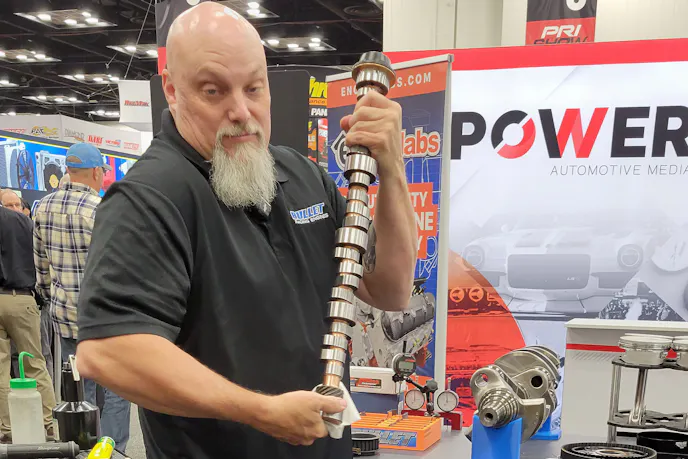
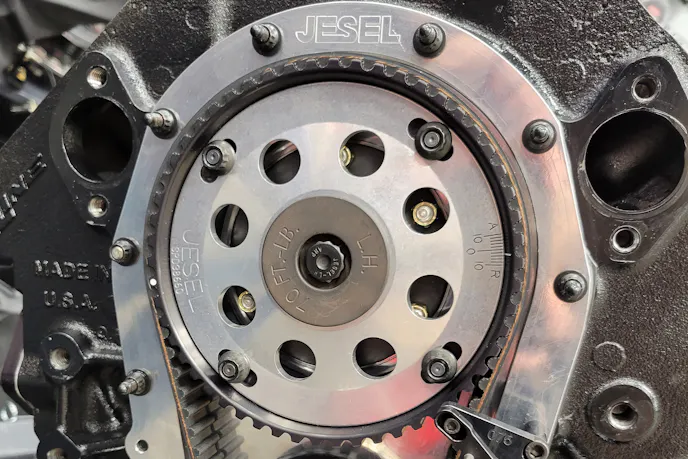
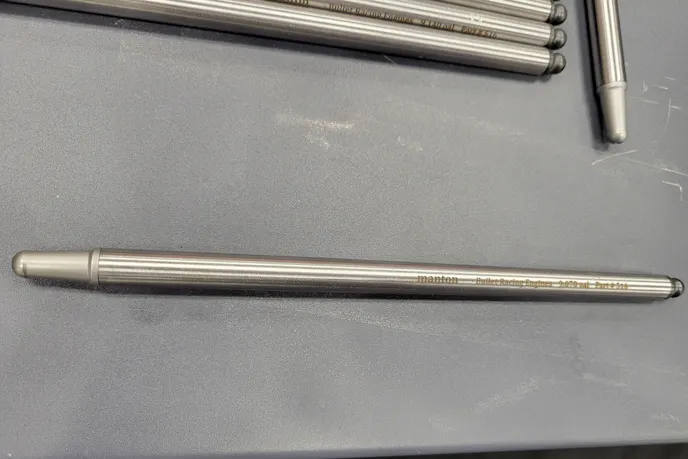
A 632 doesn’t need gimmicks; it needs smart cam selection. Cam Motion supplied a custom hydraulic roller with .729/.708-inch lift and 264/278 degrees of duration at .050, paired to a 113 LSA. Valve control comes from Elite Race dual springs, Johnson hydraulic rollers, and Manton tapered pushrods. Everything is actuated through Jesel shaft rockers and a belt drive, maintaining precise timing and keeping the engine stable at high RPM for repeatable power on the drag strip.
EFI Induction: Modern Control Meets Classic Cubes
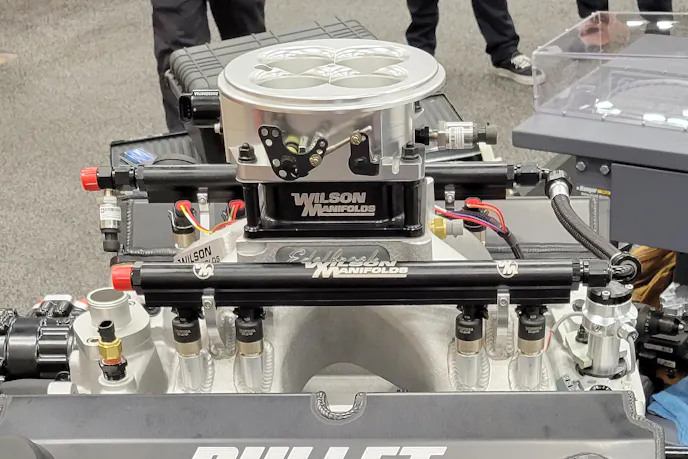
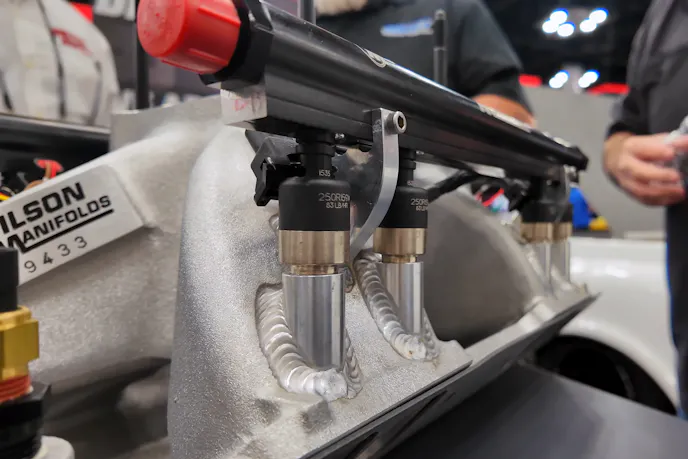
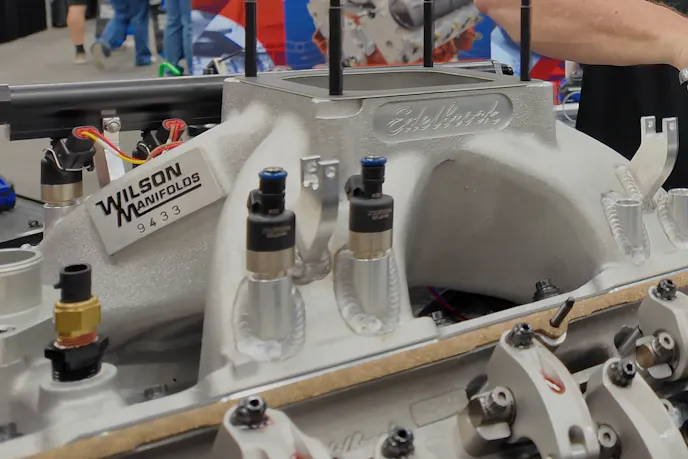
Naturally aspirated airflow leaves no room for mistakes. The team started with a Super Victor II manifold, port-matched it to the DR-17 heads, and converted it for EFI with Wilson Manifolds. Fuel is delivered by 83 lb/hr injectors controlled by a Holley Dominator ECU, paired with a coil-near-plug Smart Coil ignition. A 2,000-cfm 4500-flange Holley throttle body sits atop a Wilson spacer for added plenum volume. The result is carb-style airflow with EFI precision, street-ready but deep-tunable for the track.
Exhaust and Assembly: From Show Floor to Dyno
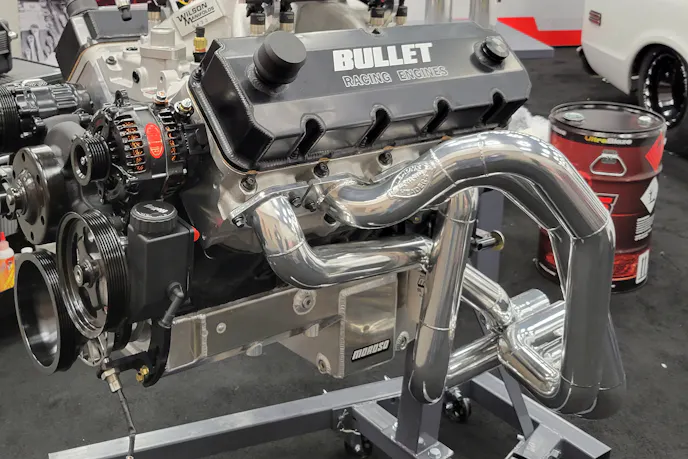
Exhaust exits through 2-3/8-inch primary headers into 4-inch collectors, designed to fit a ’68–’72 Chevelle. After assembly on the PRI Show floor, the engine hit the dyno at the University of Northwestern Ohio. Fully capable of 1,000-plus-plus horsepower, this 632 big-block Chevy isn’t a dyno queen — it’s ready for a real muscle car — your muscle car.
Why Muscle Car Fans Should Care
A 632 big-block Chevy capable of four-digit naturally aspirated horsepower is serious business. There’s nothing quite like the sound of a big-block, and the fact that you can make 1,000 horsepower and drive it on the street all you want on pump gas without ever having to adjust the valves is a dream come true. You’d be the envy of everyone in your local car club. This engine is about to find a new home, —and it could be yours. Enter the EngineLabs giveaway and claim your shot at four-digit naturally aspirated chaos between the frame rails. This is 632 big-block Chevy power like you’ve never seen.
You might also like
How Big 3 Racing Used An Ididit Pro-Lite Column To Gain An Edge In Horsepower Wars
Adapting a Camaro Pro-Lite column to our C10 shaved weight from the truck while keeping all the functionality required to stay street legal.