
Hot rodding is a wonderful thing. There are a million parts out there that will help you make more horsepower, others that make your trans shift harder and faster, and others that have you stopping and handling like a modern muscle car. The problem is there’s often some kind of trade off. In the case of this 383-powered ’64 Chevelle, an improved induction system meant a decrease in vacuum to the power brake booster — not a good thing. Fixing this vacuum issue made for a safer, more enjoyable ride.
Vacuum issues can come from other changes, too. Everyone likes the sound a long-duration camshaft makes. Younger enthusiasts call it “the chop,” old timers will let you know you have a three-quarter race cam (or even a full race cam). These bumpsticks sound great and, if chosen properly, will add copious amounts of horsepower, but they can also kill vacuum, leaving you in need of more.
When this author installed four-wheel power disc brakes in his ‘65 Dodge, it was a huge improvement over stock drums with an unassisted single-pot master cylinder, but there was not enough vacuum to keep the booster working to its full capacity. Twenty-five years ago, the solution was a simple vacuum canister, which was OK, but it was definitely not consistent or optimal.
A Better Vacuum Solution
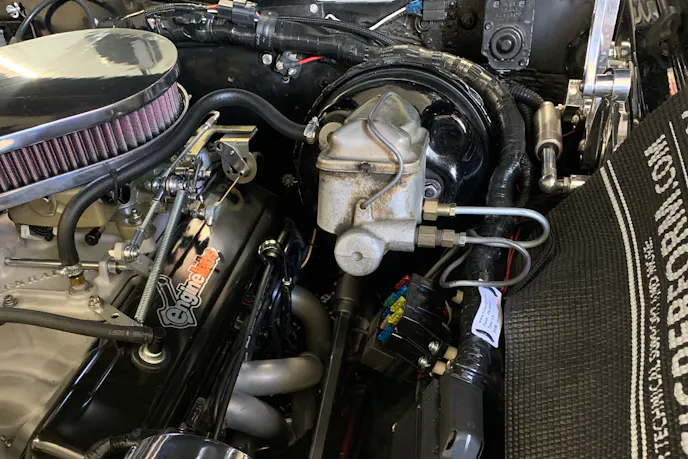
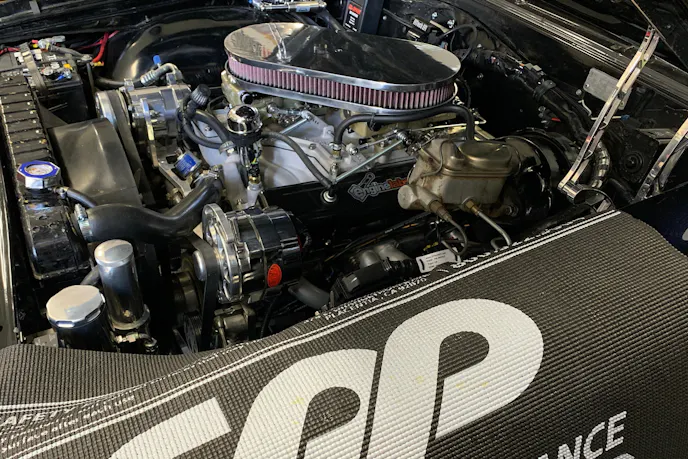
In the case of this particular ’64 Chevelle with four-wheel disc brakes, owner Ed Zinke found a more elegant and far superior fix after he found his power brake system lacking. Ed had installed FitTech’s cross-ram dual throttle body fuel-injection system on his small-block. Ed found the cross-ram EFI setup to be the answer to his hot rodding dreams. He loved the way it started and ran, the instantaneous throttle response — not to mention the lack of fumes in his garage when he shut the car off — but the switch to the long-ram Offenhauser intake left his brake booster with a shortage of vacuum. What to do?
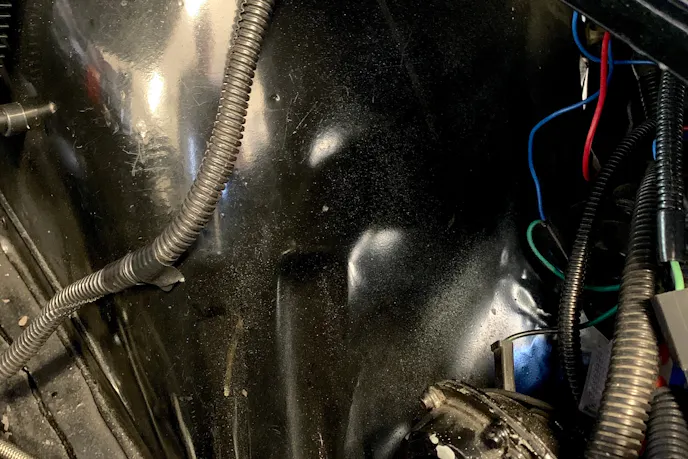
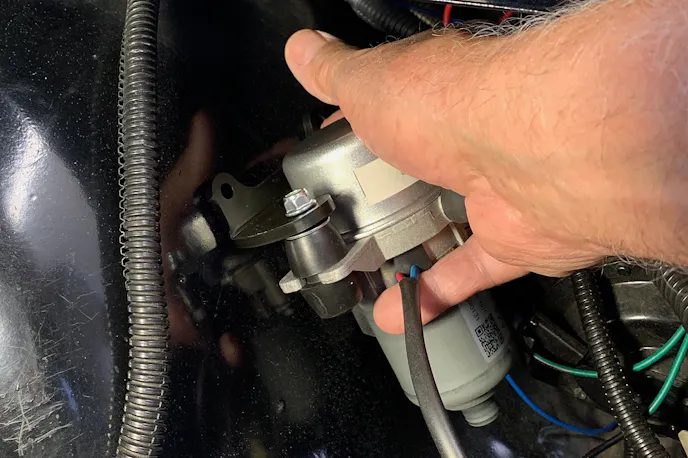
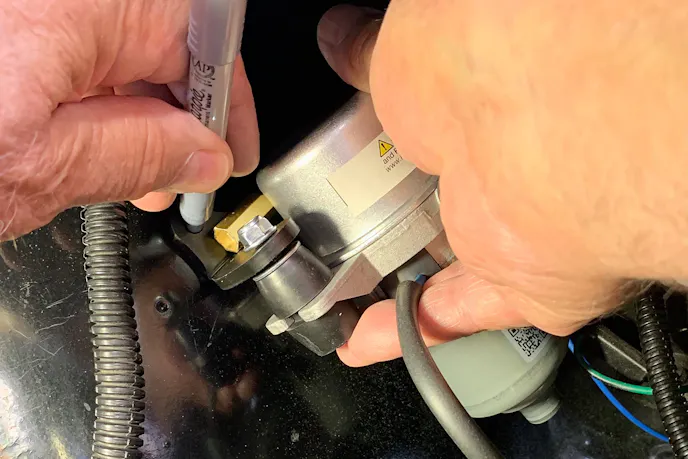
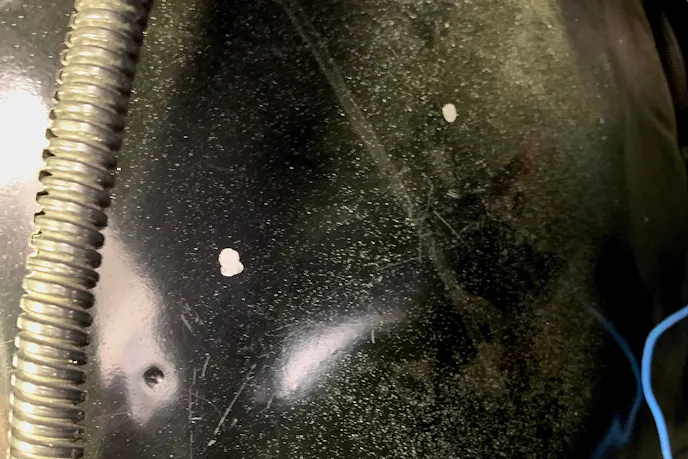
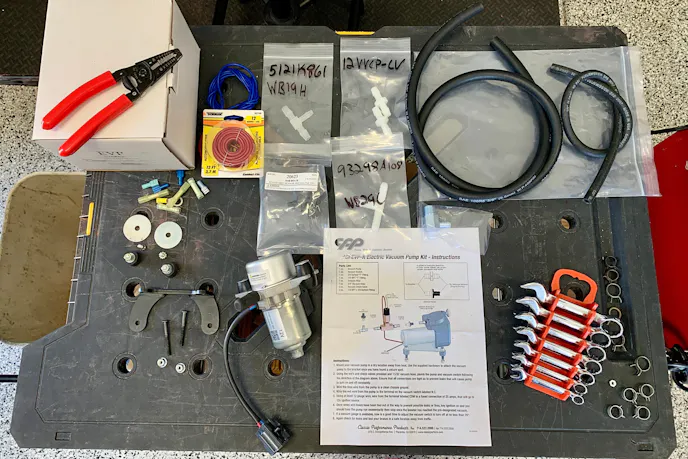
To fix this vacuum issue, Ed turned to the Classic Performance Products (CPP) parts catalog and ordered an Electric Power Brake Vacuum Pump kit (P/N CPEVP-K).
This inexpensive part ($299) was all he needed to not only fix the vacuum issue, but give him more than he had with the old single four-barrel setup.
The CPP Electric Power Brake Vacuum Pump Kit is 100 percent complete and includes a pump, bracket, tee, check valves, hardware, and sensor. It’s a model of simplicity, meaning it is easy to install, and ensures reliable brake performance.
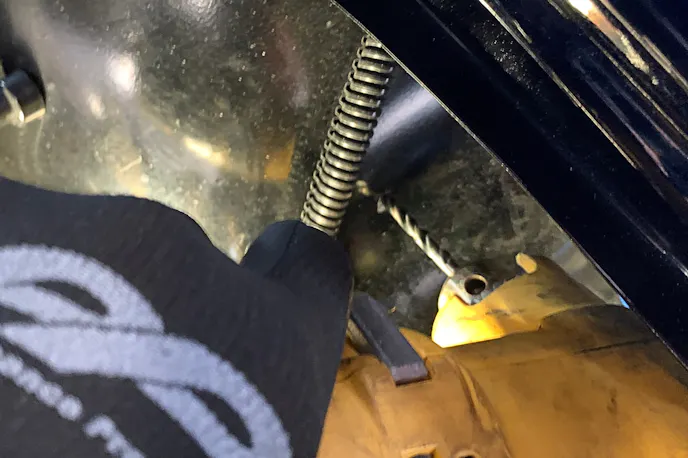
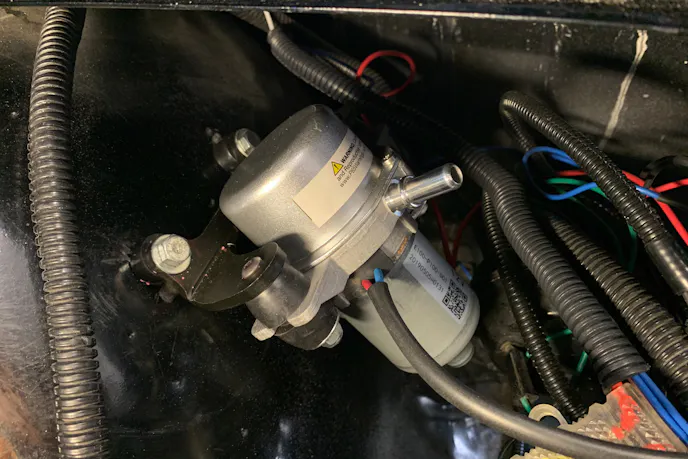
Now, there’s no problem whatsoever when it comes to hauling his ’64 Chevelle down from speed. The CPP electric power brake pump kit delivers all the vacuum the car needs and it does it consistently, from the minute Ed starts the car to when he shuts it off.
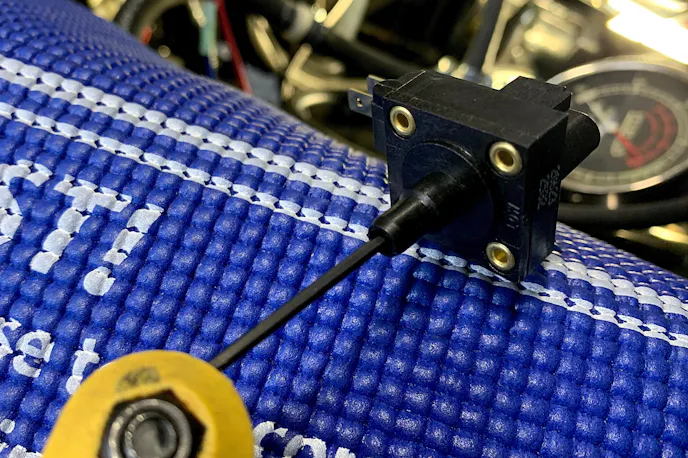
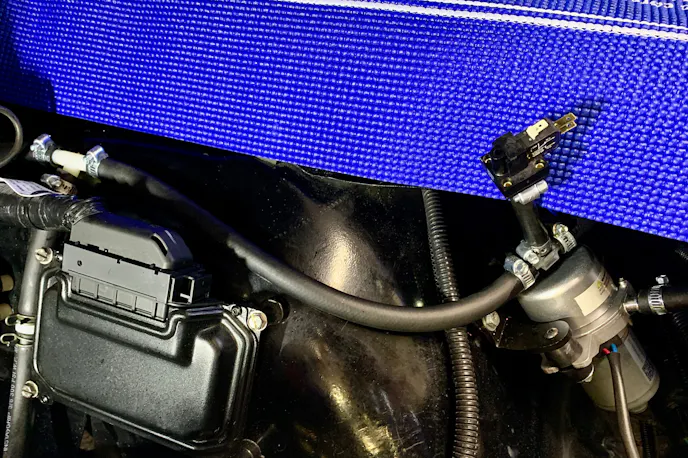
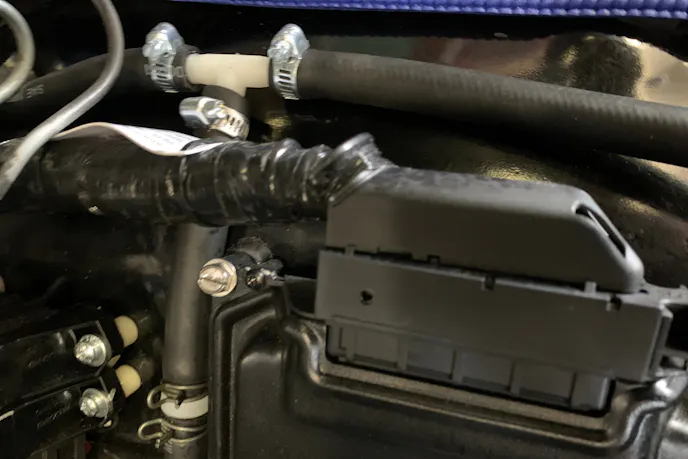
Testing, Testing …
“I road tested the car and the product has eliminated the hard pedal with limited brake application due to lack of vacuum the the power booster,” Zinke told us. The pedal is now responsive to the applied foot pressure providing various stopping levels of braking for the booster.”
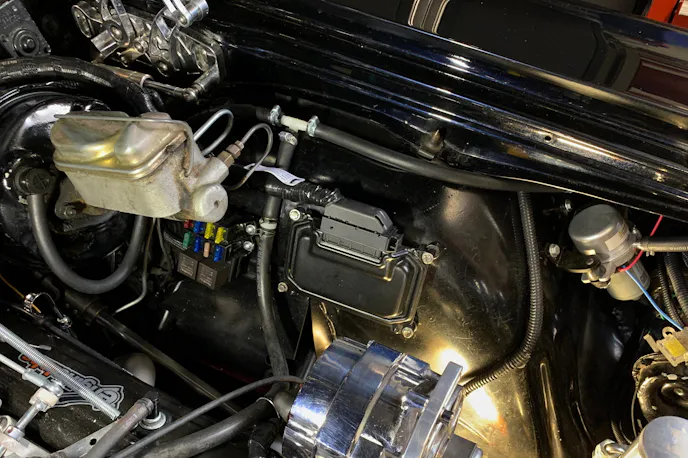
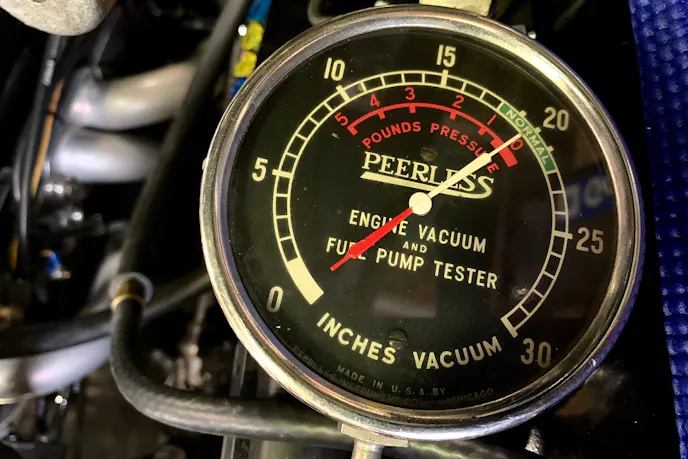
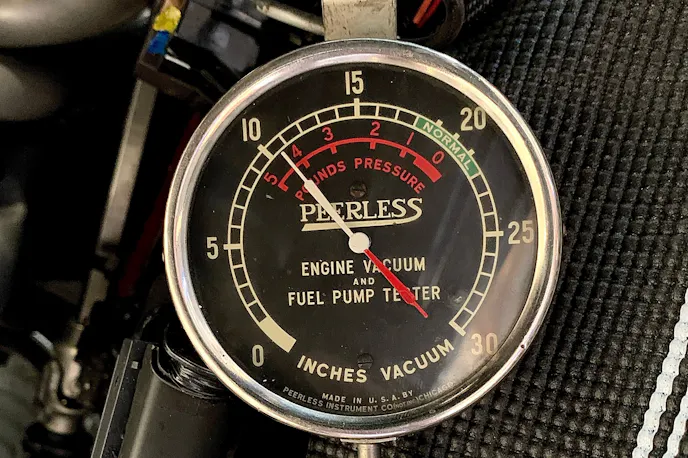
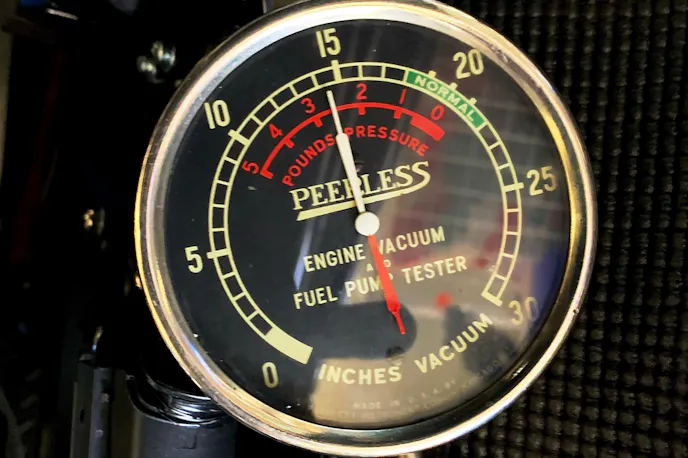
Before the electric vacuum pump, pressure to the booster was a meager 11 in/Hg at idle and 14.5 at 2,500 rpm —not nearly enough for a modern power brake system. After the install, vacuum was a steady 20 in/Hg. After shutting the car and letting it sit for three hours, Ed hooked up the vacuum gauge and it reported 20 in/Hg — no loss of pressure whatsoever.
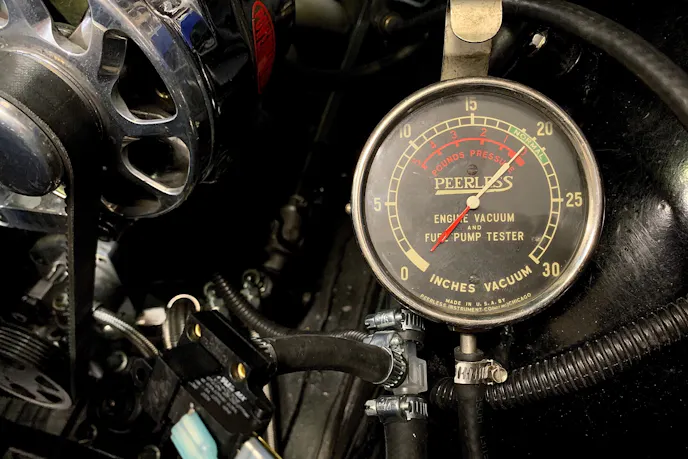
Follow along and watch how easy it is to safely increase the vacuum going to the power booster in this old Chevelle.
You might also like
Sick Matching-Numbers Mopars Sold At Barrett-Jackson 2026 Las Vegas
Rare vintage Mopars dominated the Barrett-Jackson 2026 Las Vegas auction. Bidders fought over matching-numbers Cudas and Dodge Daytonas.