
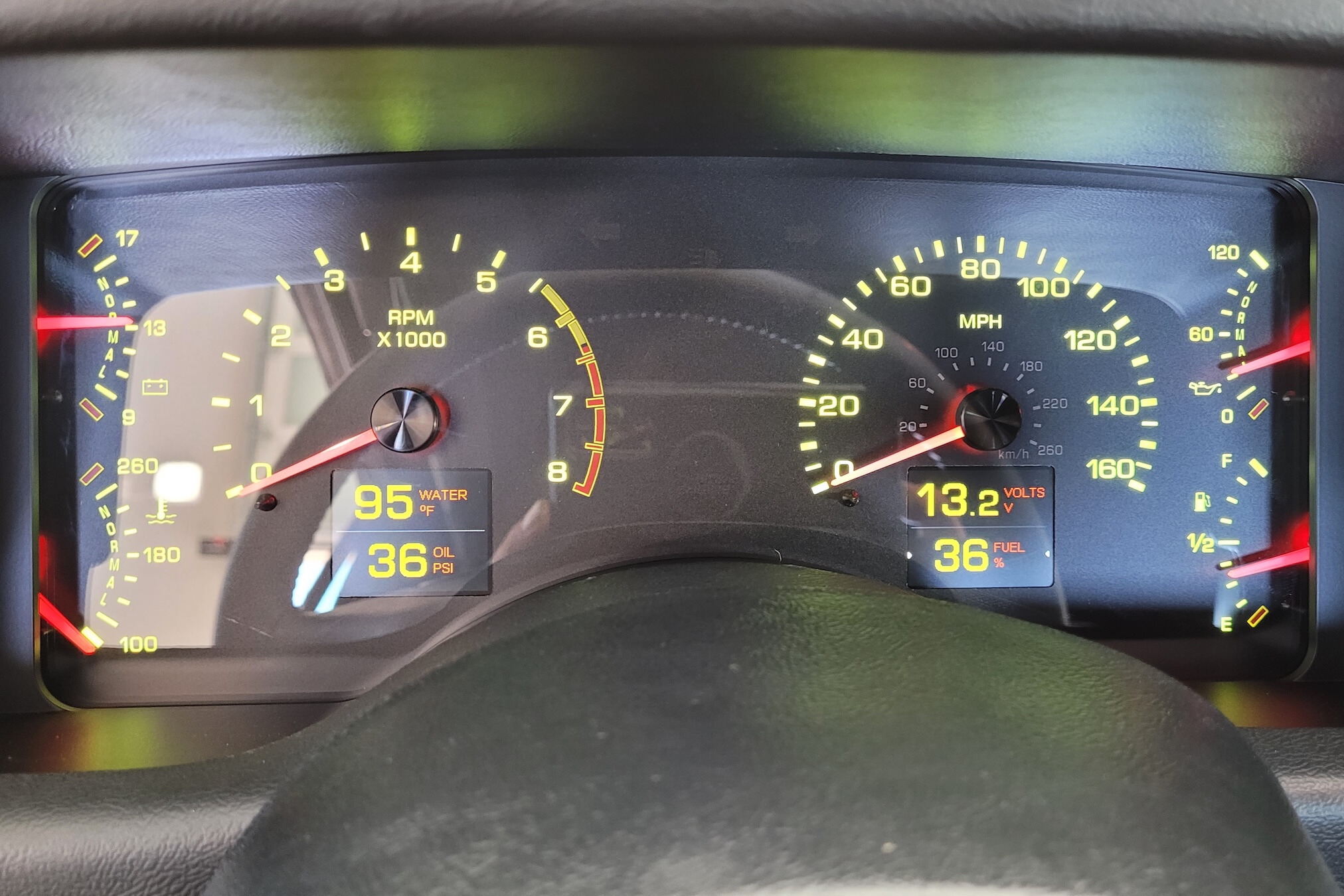
Years ago, the 1979-1993 Mustang was considered the “modern Mustang” by enthusiasts. For those who lived through the Fox body years (1979-1993) and the decade after, it is impossible to fathom that the newest of these pony cars is now 33 years old. That makes the Dakota Digital RTX instrument cluster a great way to put the “modern” back into Foxes.
The ’87-’93 Fox body cars, with their “fancy” electronic fuel injection and aerodynamic looks, put them light years ahead of the earlier cars in terms of sophistication. Still, what seemed new then in terms of amenities pales in comparison to what comes in any newer vehicle.
The factory instrument cluster in particular seems somewhat lacking today — especially the awful 85 mph speedometer that was federally mandated through the beginning of the 1989 model year — though Ford has seen fit to replicate the style as an option in the new 2024-up Mustangs. The Dakota Digital RTX cluster fixes a lot of ills.
This author’s personal ’22 Mustang GT has a gauge cluster that can be configured in three totally different ways — Normal, Sport, and Track — with a myriad of options within those (selecting specific gauges, colors, Track Modes, etc.). With the factory Fox gauges, you got what you got. Didn’t like it? Your basic choice at first was to add a Monster tach and some auxiliary dials to the dash, A-pillar, and/or cowl area. Later came white-face gauge conversions to mimic the Ford SVT offerings.
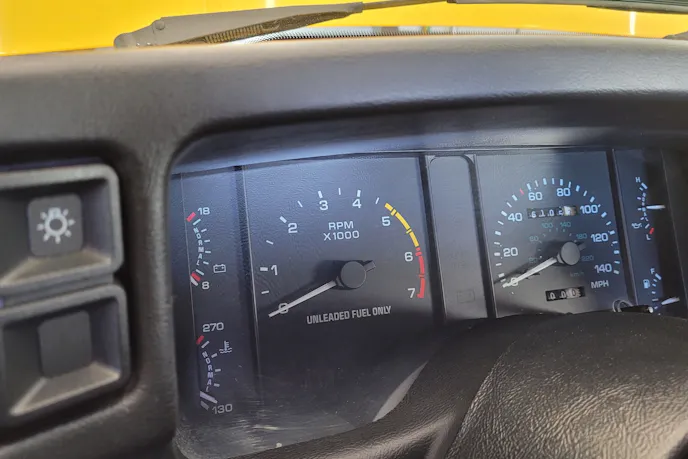
Until now, that is. Dakota Digital has no less than eight gauge clusters for ’79-’93 Mustangs, which means there is no reason to live with the dull factory offerings in today’s modern world. The new clusters look great, offer modern features, and react quicker than the old boring stock pieces.
It takes time and knowledge to develop such a complex system, though the RTX cluster mimics the stock appearance.
”Development time will vary depending on the complexity of the system itself,” said Justin Olsen, the Sales/Marketing Manager for Dakota Digital. ”We work with the original manufacturer’s dash, start with a stock, take-out piece. It will get sent to our engineer design team, which is a variety of staff of about 15 different engineers with various backgrounds. It will all start as a computer rendering of the entire thing to see what we’re working with. All of it will be a full part so they can break it apart, and we can see where the boards are placed, where the mounting screws are, where the lens screws are going to go, and all the various things that go in to the pieces. I’d say on average, from start to finish, four to six months.”
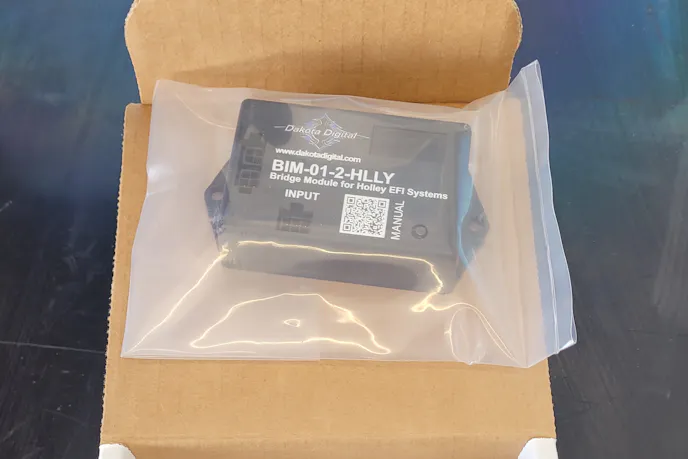
The basic system works out like this: The Bridge Interface Module (BIM) is plugged into the fuel-injection computer. That BIM, according to Olsen, will have a small, 18-inch harness that will plug into the primary control box. From the primary control box there will be an eight pin harness that goes from the control box to the back of the gauges. By and large, all the wiring goes to the main control box.
Dakota Digital literally has dozens of different gauge packages for any Mustang from early 1965 (what some call ’64 ½) up to the SN-95/Fox-4 cars (1994-2004).
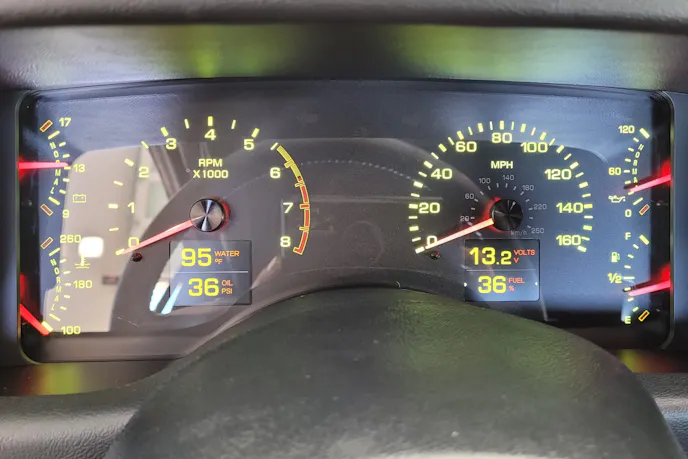
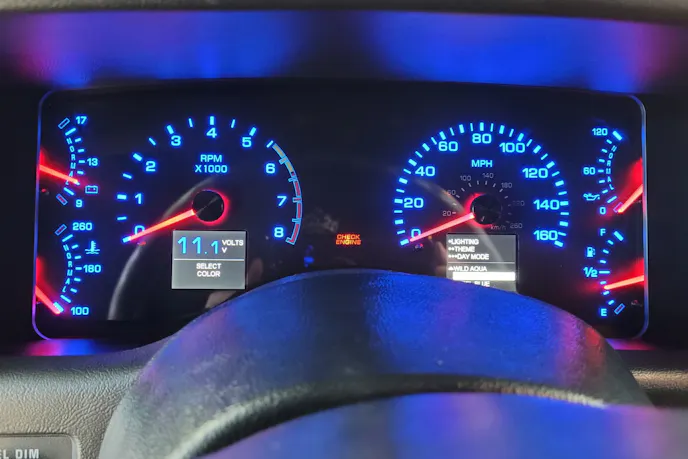
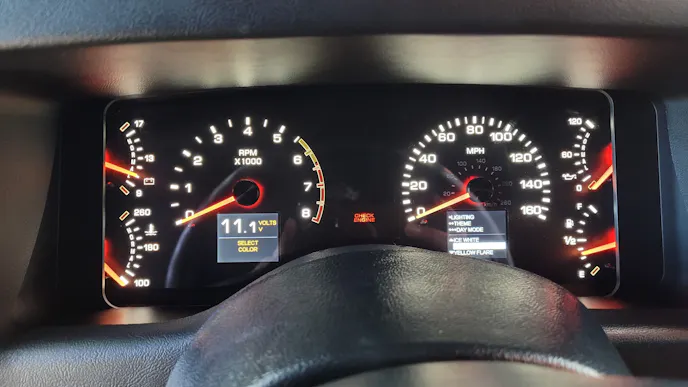
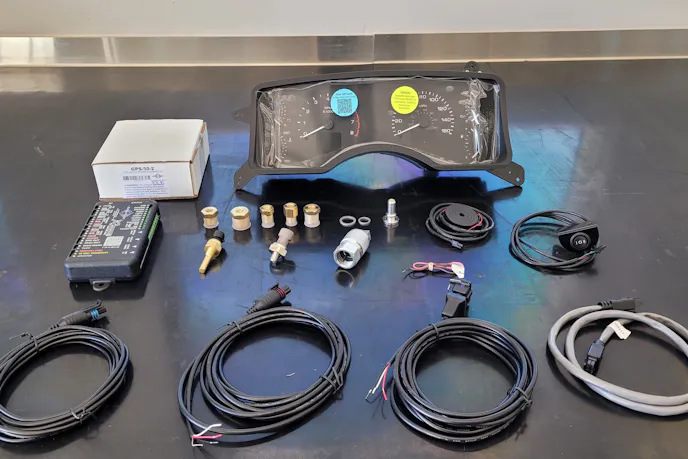
For this story, we opted for Dakota Digital’s RTX cluster. It includes a 160 mph speedometer, 8,000 rpm tach, 0-80 psi oil pressure gauge, a 100-to-260 degree (F) water temp gauge, a voltmeter, and a fuel gauge. Also standard are two trip odometers, a clock, and an estimated mile-to-empty readout.
Our Test Vehicle
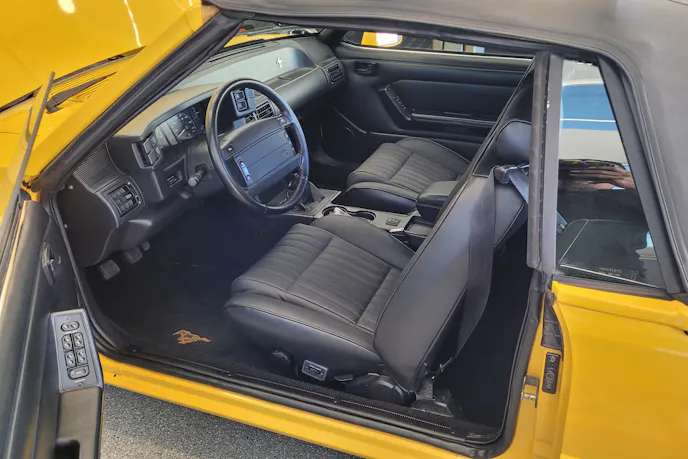
The Mustang we used was a 1993 LX Limited Edition convertible. Ford introduced a number of special editions to keep the aging Fox Mustang front and center with customers, and we think the ’93 in yellow was among the best. This car is being rebuilt with some of the best aftermarket parts available, including a Vortech supercharger, but these machines were really lacking inside. We love the idea that not only will the new instrument cluster be more functional, but it can be configured with a number of colors when lit — including yellow to match the bold factory paint.
Another outstanding feature, one not available in 1993, is the Dakota Digital panel — like most modern muscle cars — includes Performance Meters to test your car’s mettle: A 0-60 timer, eighth- and quarter-mile timers (including trap speeds), a High Speed Recall, and a High RPM recall. Not that any of us would ever exceed the posted local speed limits, but, you know, just in case …
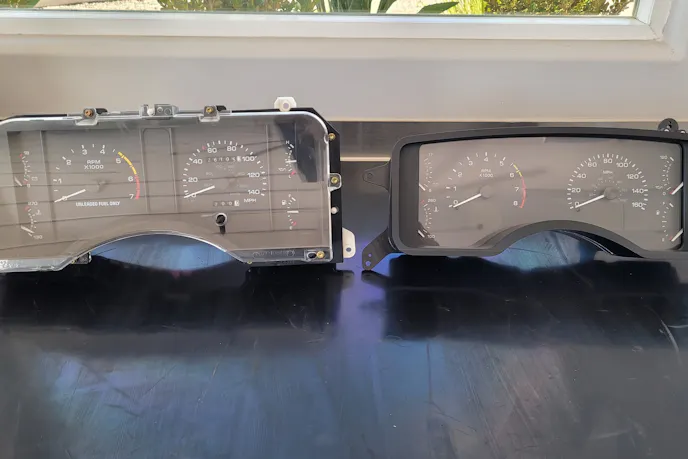
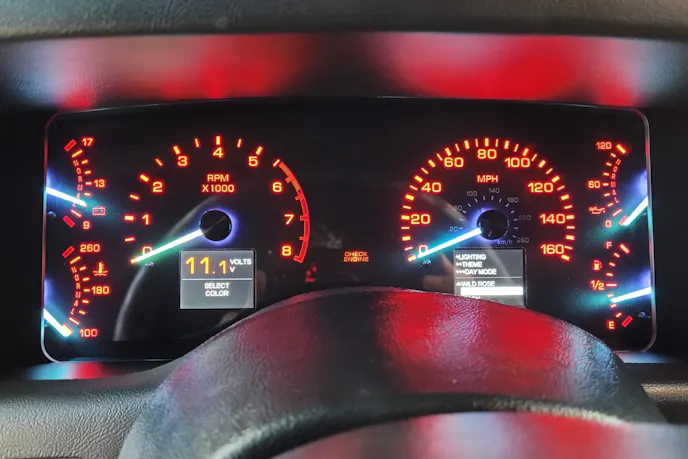
There are 10 built-in indicators, including one for High Beams, Cruise Control, Check Engine, etc., but what is even cooler is the fact that there are over 30 color user-selectable color options, which allow you to independently change the needle color, sweep color, and digital TFT display color. There are numerous other options available, too many to list here for sure, including the ability to add up to 16 extra gauges.
The Final Countdown
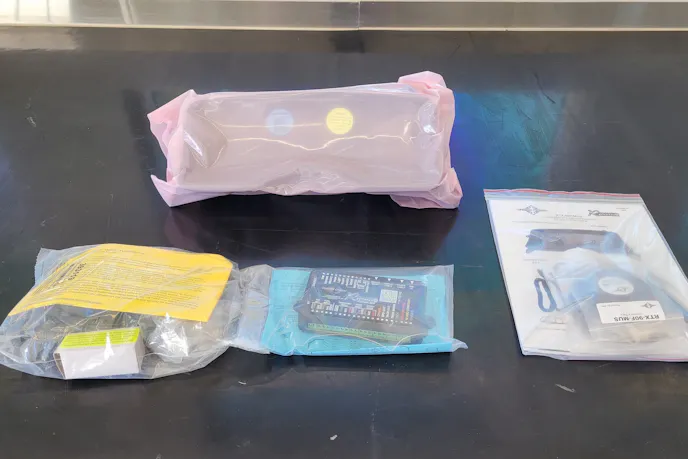
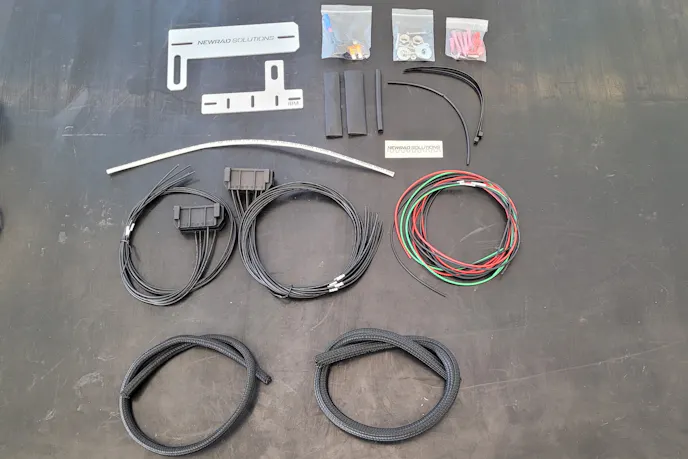
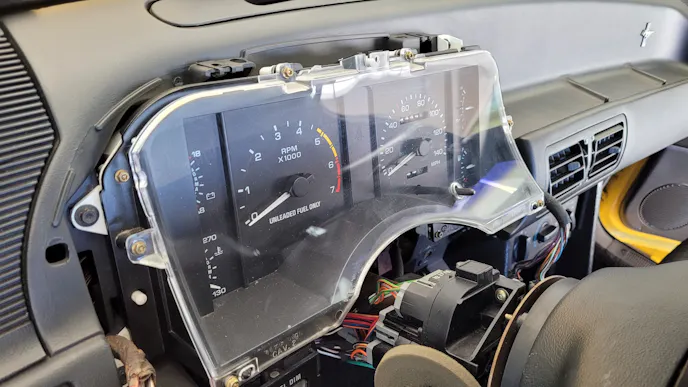
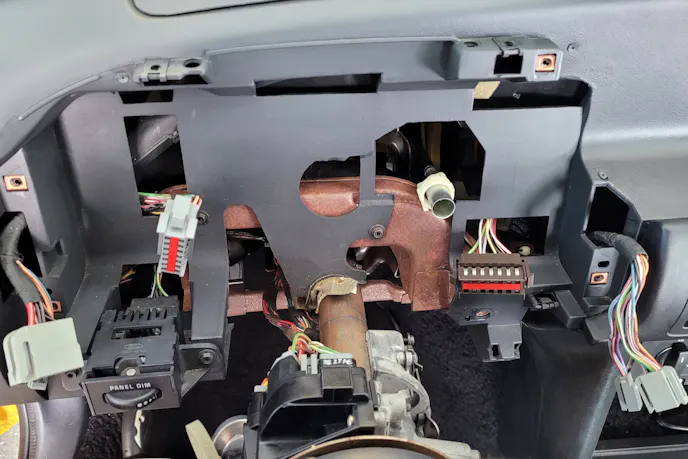
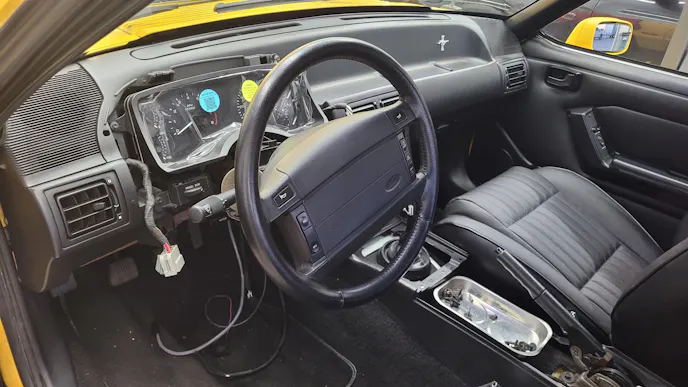
We’re happy to report that the entire kit includes everything you need to easily install the RTX package in your car. The install was fairly simple, and anyone with a knowledge of mechanics should be able to do this job in their home garage with rudimentary hand tools.
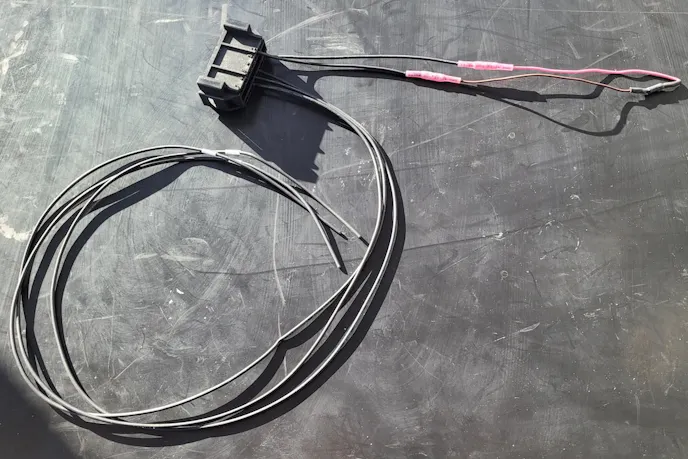
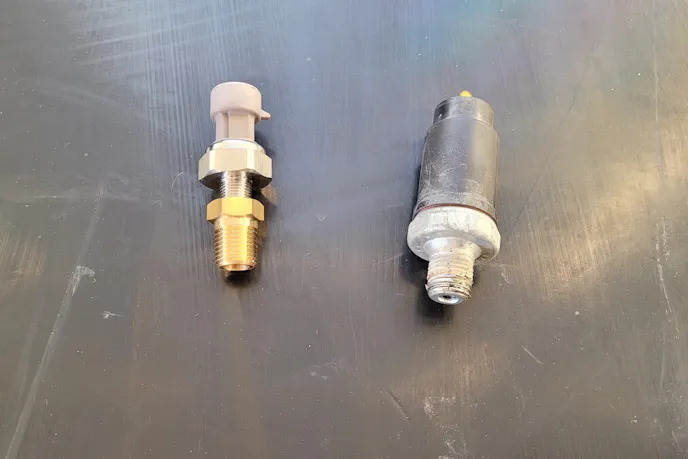
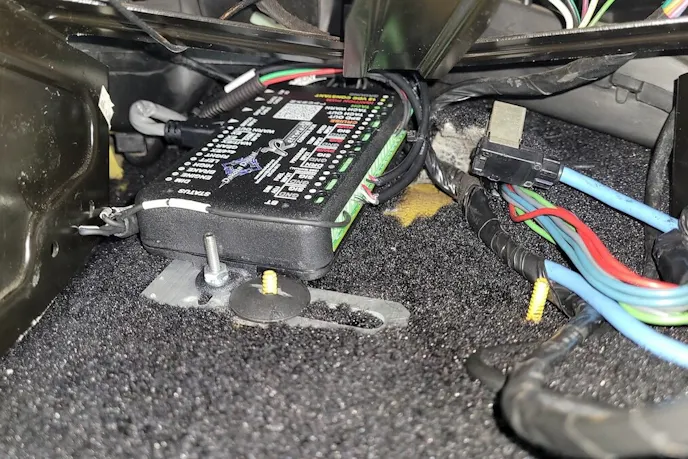
In fact, according to Olsen, the kit is so complete you may have leftover parts when you are finished. And that is a good thing. There should be no calling back looking to get something for your particular application. It is all there — and then some.
Once the system is in the car, it’s entirely up to you on how to configure it. Dakota Digital has incredibly detailed instructions on its website, so it is easy to get it just how you want it. We really appreciate the large callouts that you can show for various gauges and functions.
If you have have a setup where boost is coming through the CAM buss, the boost can display in the TFT screens in the tach or speedometer. You can label anything to come through those screens, for instance trans temp. It is all available for you to program. You can label it yourself through an app on your phone.
Welcome back to the modern era, Fox Mustangs.
You might also like
How Big 3 Racing Used An Ididit Pro-Lite Column To Gain An Edge In Horsepower Wars
Adapting a Camaro Pro-Lite column to our C10 shaved weight from the truck while keeping all the functionality required to stay street legal.