

We’ve brought you several updates to our El Diablo project, a well-loved 1984 Chevy C10 stepside pickup, documenting its transformation from an underpowered hay hauler to a beefed-up muscle truck. These old Chevy trucks are a red hot commodity in the collector truck scene these days, and they need all the help they can get. Stout and built for the long haul, they also have emissions-strangled motors and ancient technology. The trucks take well to the restomod route and El Diablo has had some upgrades from the best of the best.
We’ve updated the suspension with Aldan American coilovers and performance tubular suspension components and completed the $100 junkyard LS swap with Edelbrock Pro Flo 4 system. So now it is time to add some modern gauges to monitor the vitals of our new power plant. Let’s start at the beginning and then we’ll walk you through the installation step-by-step.
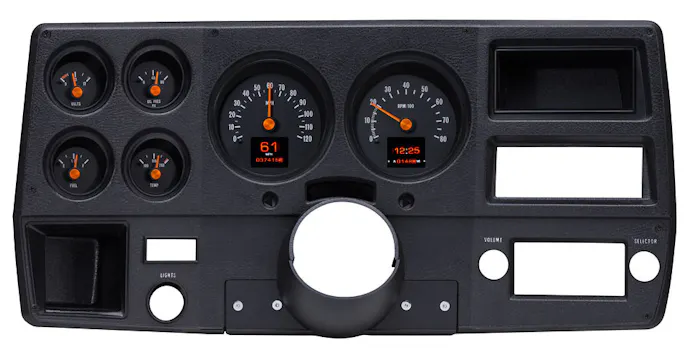
The factory gauges in the truck were in working order, but they had seen better days. The clear plastic lens had become cloudy over time, the engine swap deemed our odometer inaccurate, and the old-school analog gauges wouldn’t interface with our new-fangled fuel-injected LS. To remedy all this, we called our long-time partners, Dakota Digital, and as luck would have it, they’d just launched their new RTX line of gauges which included square bodies of our truck’s vintage (Part#79C-PU-X). The fact that the digital gauges mimic the aesthetic of the ’70s and ‘80s, but with modern construction, made us keen to incorporate the new-era cluster into El Diablo.
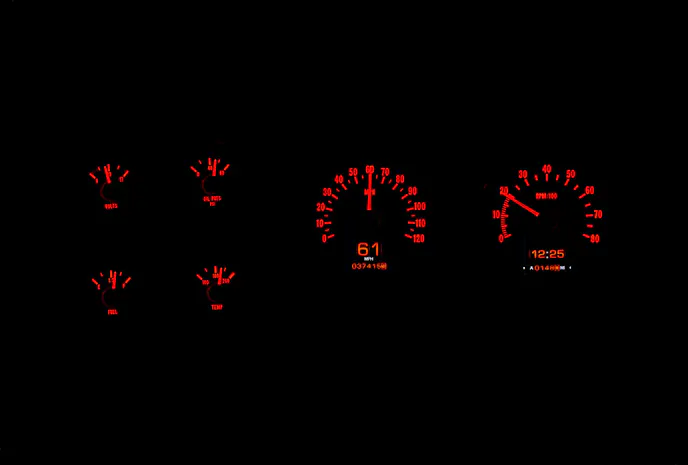
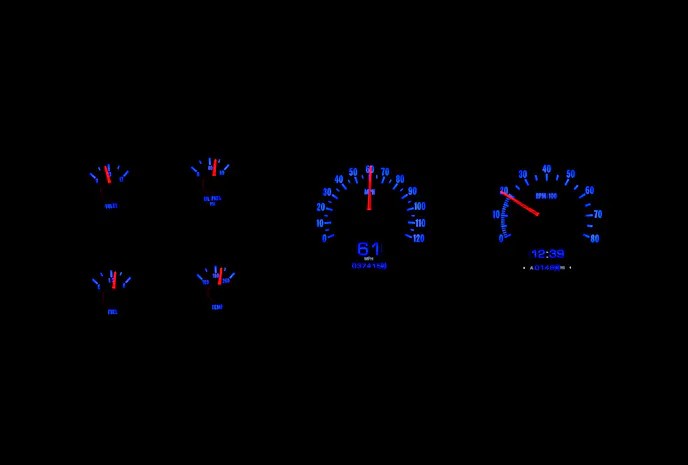
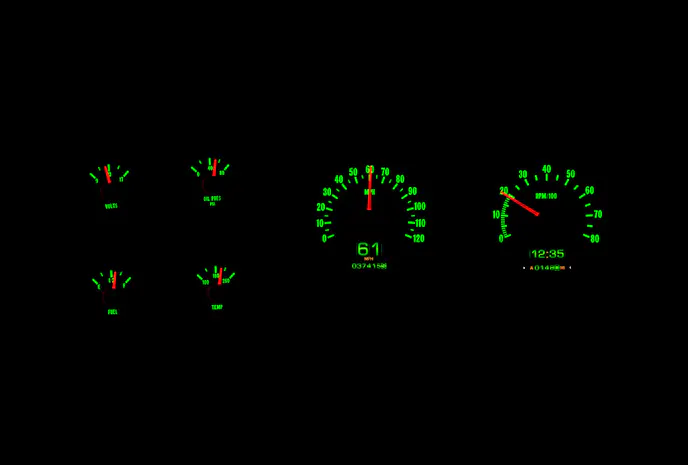
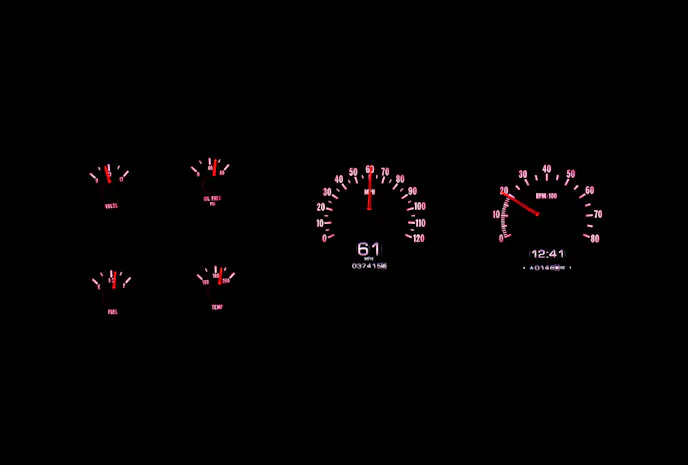
According to Dakota Digital, “The RTX series is one of our newest line of modern gauges, focused on retaining that stock look without sacrificing the late-model features you love. Every effort has been been made to incorporate OEM design elements in the layout, face styling, and indicators. An initial glance may dismiss these as original equipment, but once you hit the switch and the LED backlighting comes on in your favorite color scheme, all doubts will be removed.”
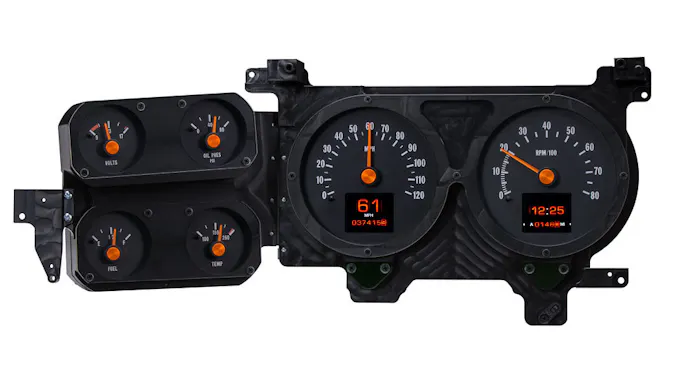
“Our CNC machined housings are equipped with electronics designed and built in-house and once again, we’re raising the bar for aftermarket instrumentation. Bluetooth integration, GPS technology, and RGB backlighting with a full-color TFT screen bring you the technology that you want. The RTX Series offers the look of yesterday, with the features and functionality of today,” says Scott Johnson of Dakota Digital.
Now, let’s jump in and take a look at the installation process.
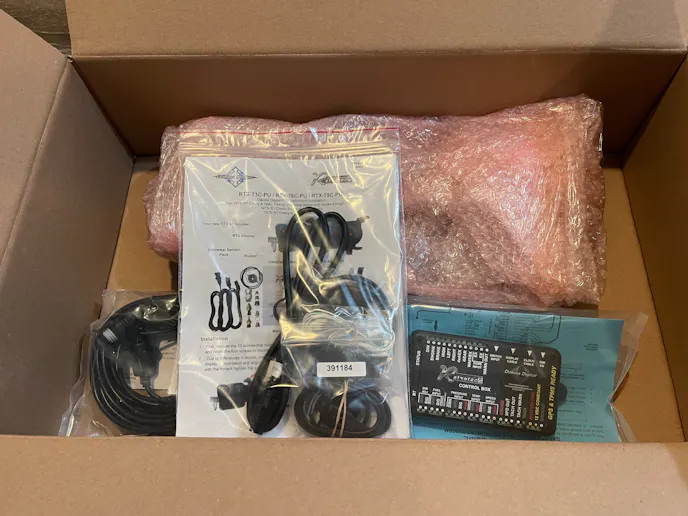
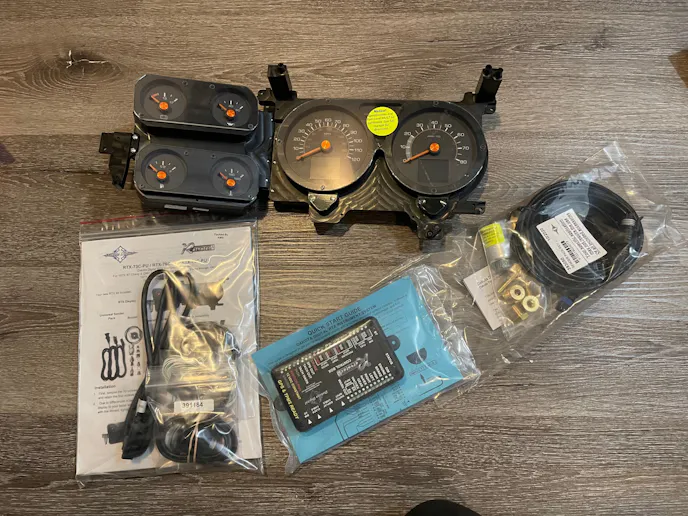
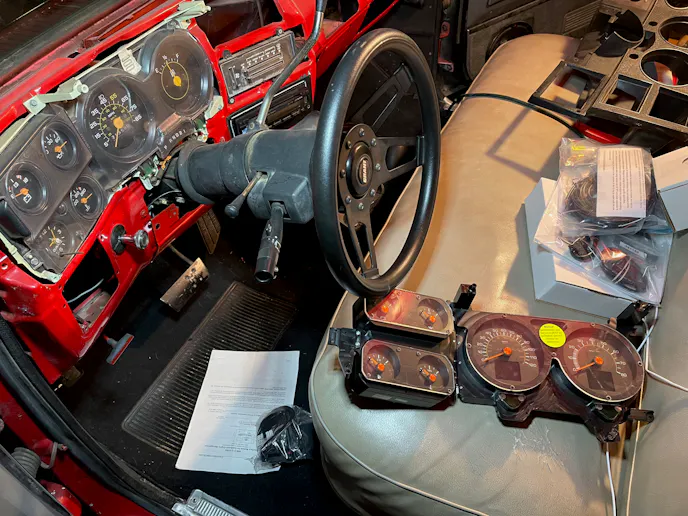
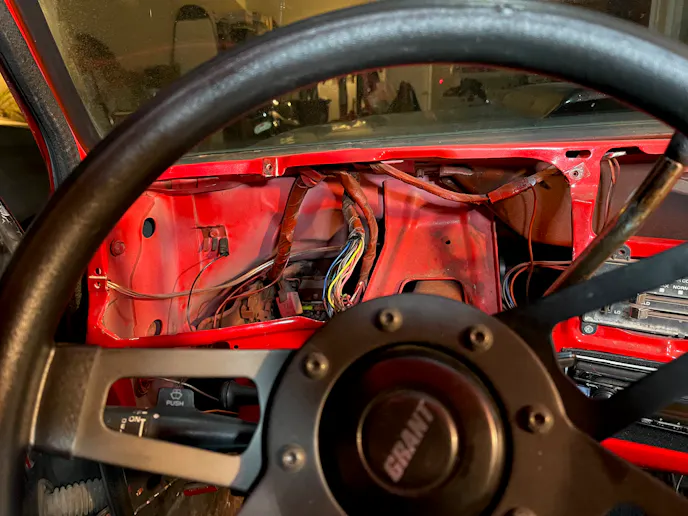
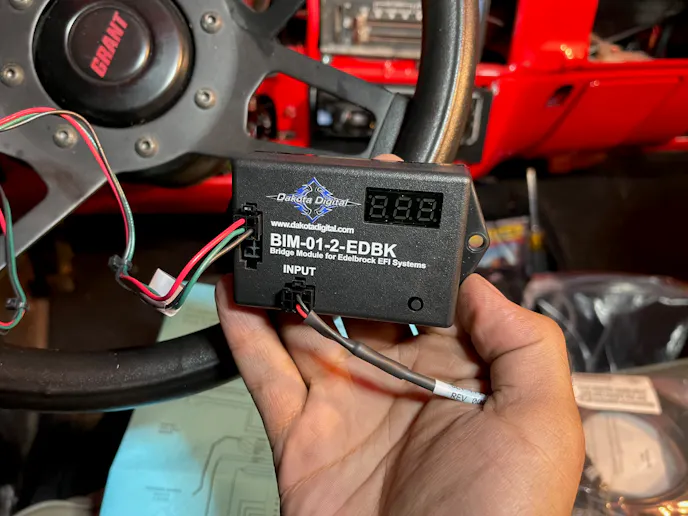
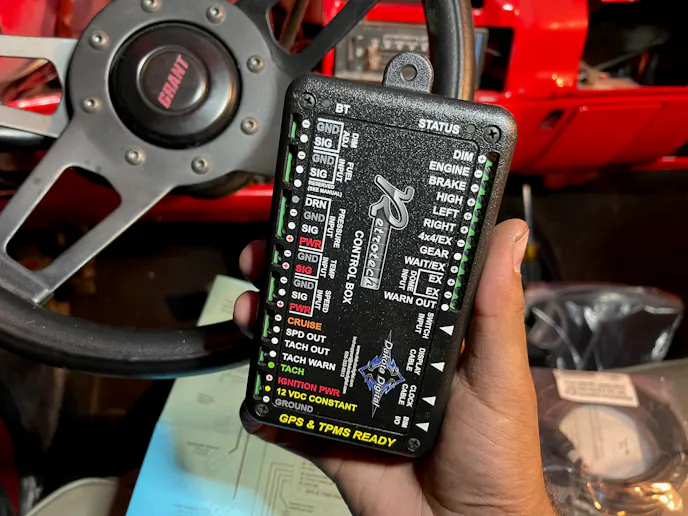
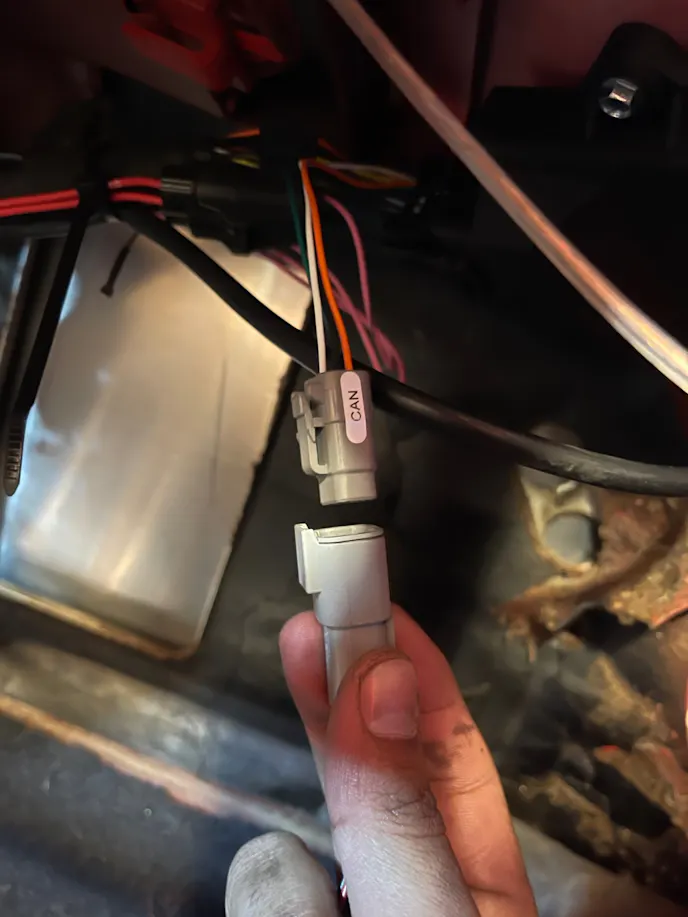
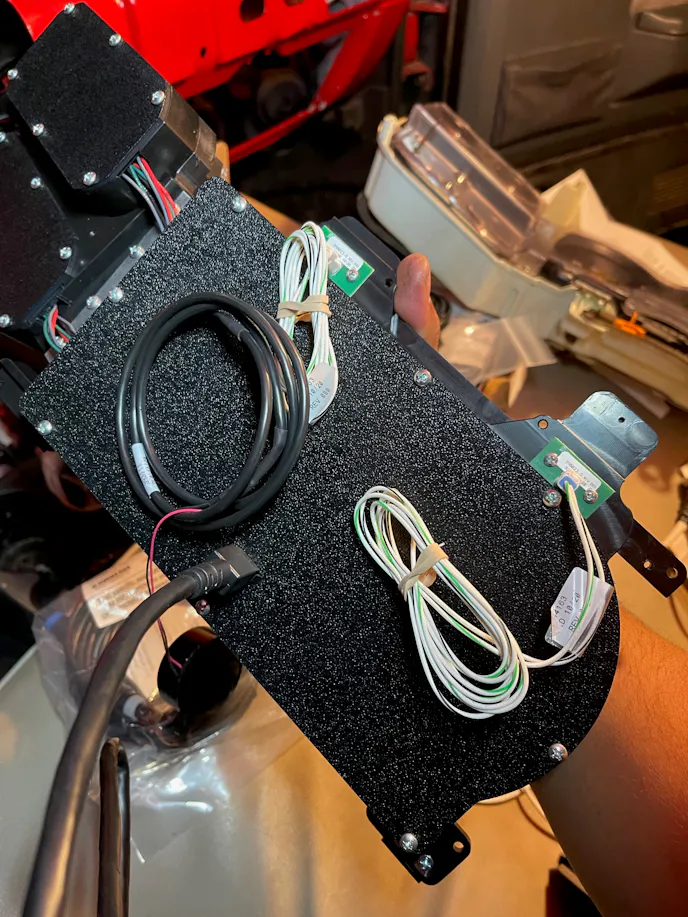
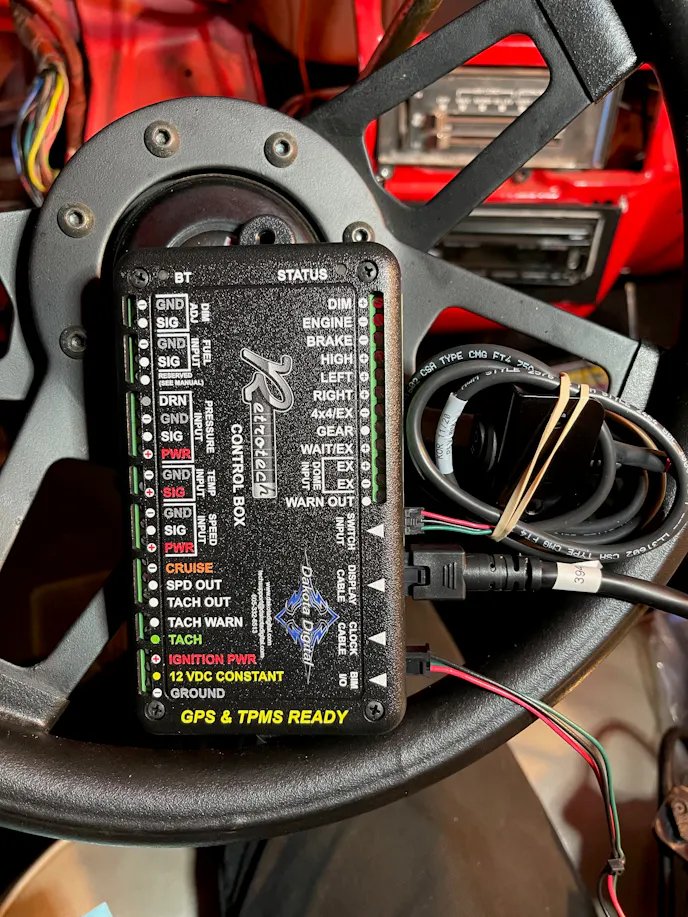
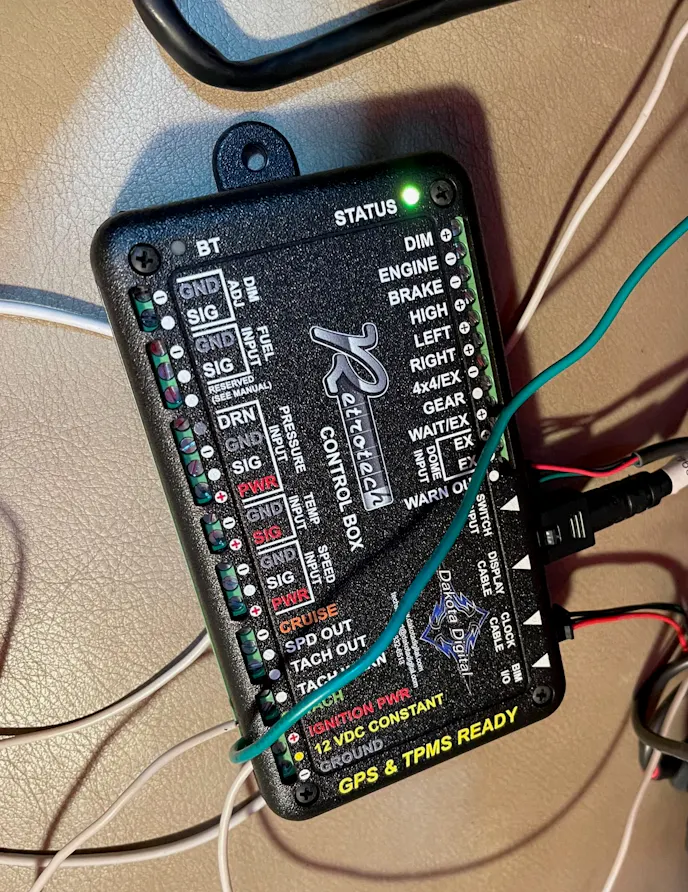
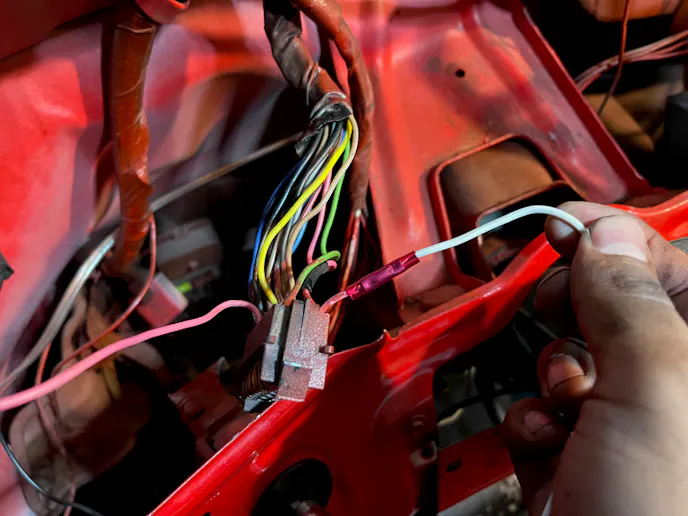
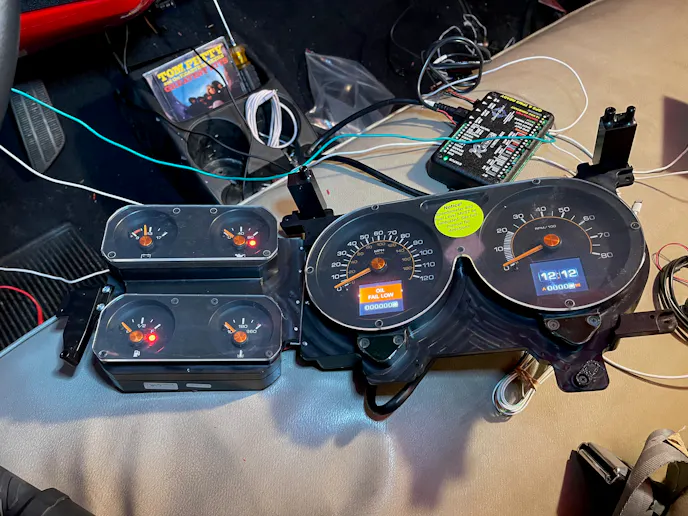
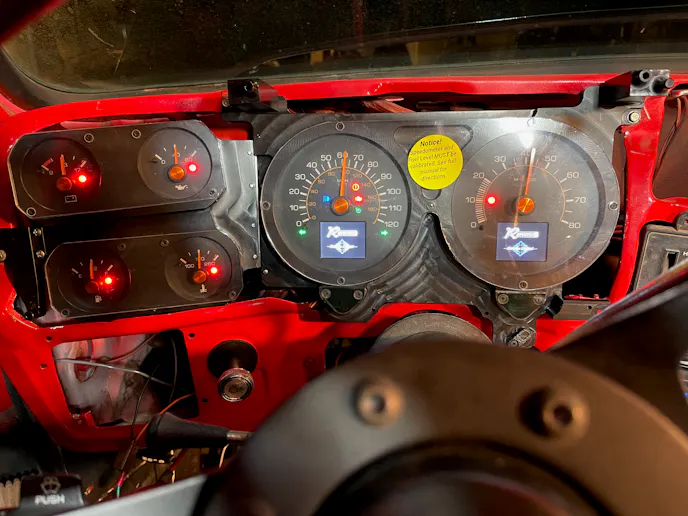
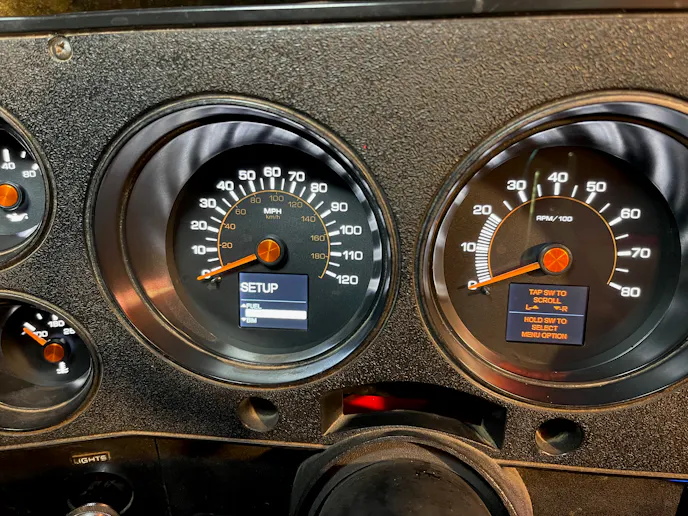
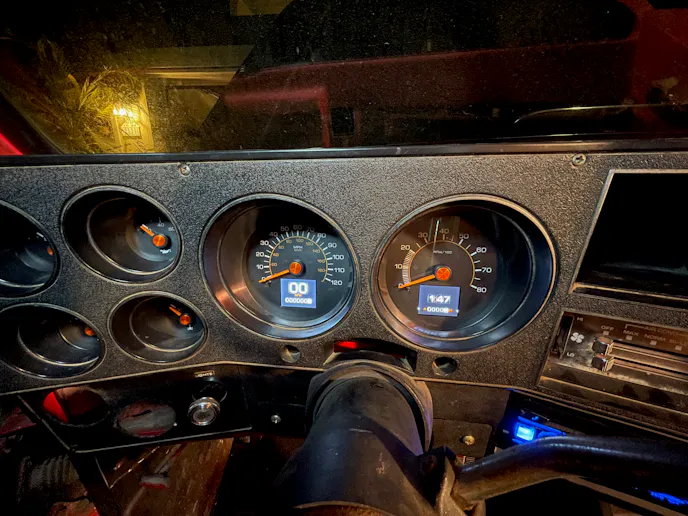
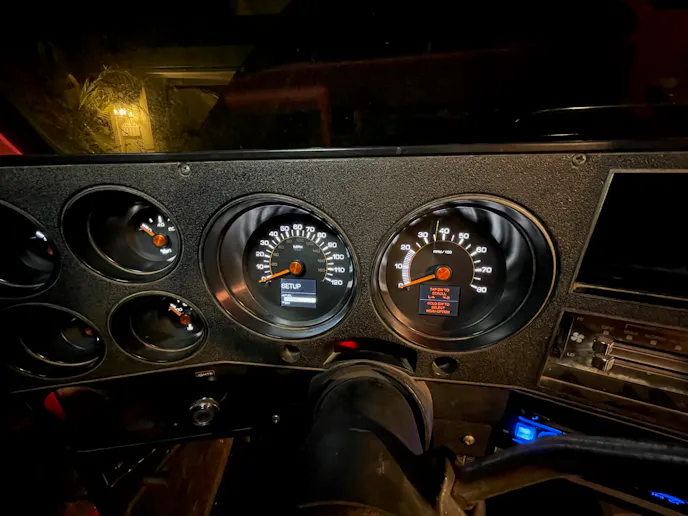
In closing, the quality and simplicity of Dakota Digital’s RTX gauges were readily apparent. The installation was easy and straightforward. We love the look of the gauges at night, especially because we were essentially driving blind before. Even the headlight dimming function worked perfectly. The tiny OEM bulbs were so dim on the factory gauges, we had no idea how fast we were driving. But now, the Dakota Digital gauges are as clear as day and give a whole new look to El Diablo. The best part is we now have an accurate “control central” for our engine transplant and mods while leaving the cool factory look unmolested. That’s truly the best of both worlds.
You might also like
Sick Matching-Numbers Mopars Sold At Barrett-Jackson 2026 Las Vegas
Rare vintage Mopars dominated the Barrett-Jackson 2026 Las Vegas auction. Bidders fought over matching-numbers Cudas and Dodge Daytonas.