
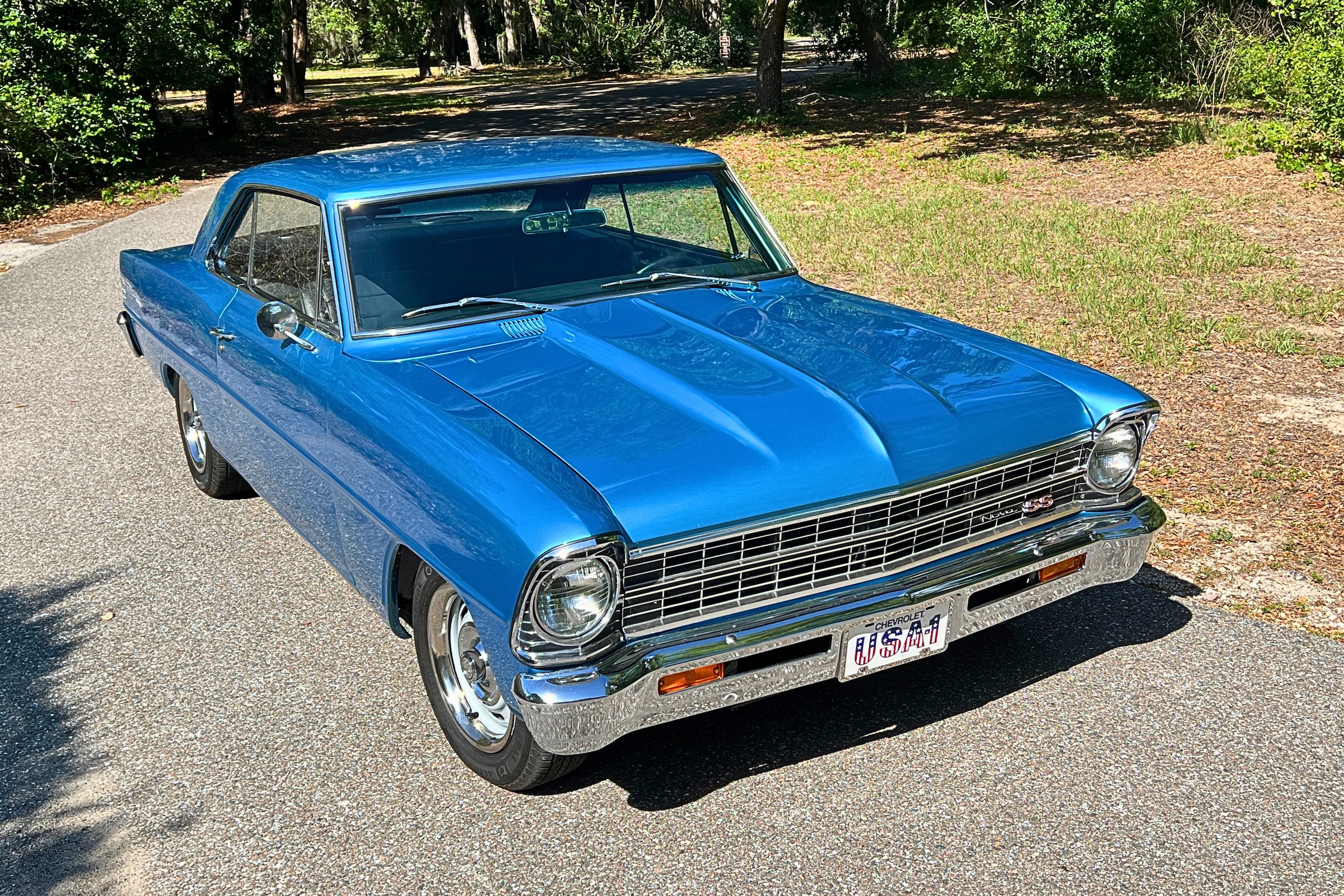
Imagine you buy a ’67 Chevy II Nova SS from a classic car dealer. You pay $30,000 sight-unseen, but it needs some work. You send it to a friend’s restoration shop to have a little rust repair done, to get it running better — you know the drill. The car flipper was supposed to be reputable. You’re got visions of cruising and show trophies dancing in your head. Then you get The Call. The deeper the resto shop goes, the more ugliness your ’67 Chevy II SS reveals. Even the engine block’s cracked (though someone did try to repair it with J.B. Weld!).
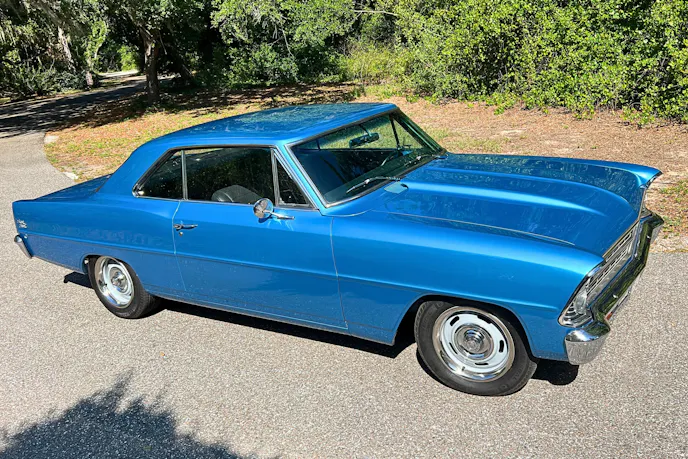
The engine and interior came out, and things got worse from there. The resto shop kept digging and told the owner he was staring down the barrel of a $100,000 bill to get the Bondo-bucket back to safe driving, show-winning condition. Not surprisingly, the compact went up for sale.
That’s where the present owner, Don Miller, comes into play. Don has a full shop in his yard and the mad skills required to bring the Deuce back to life for far less than one-hundred large.
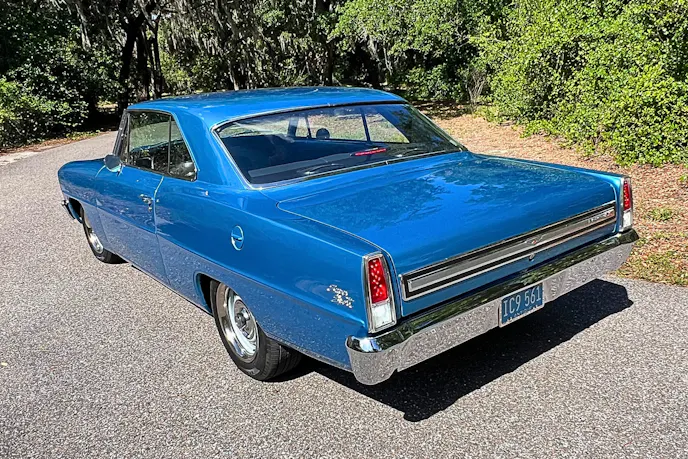
He picked up the Chevy II SS for pennies on the dollar and went to work.
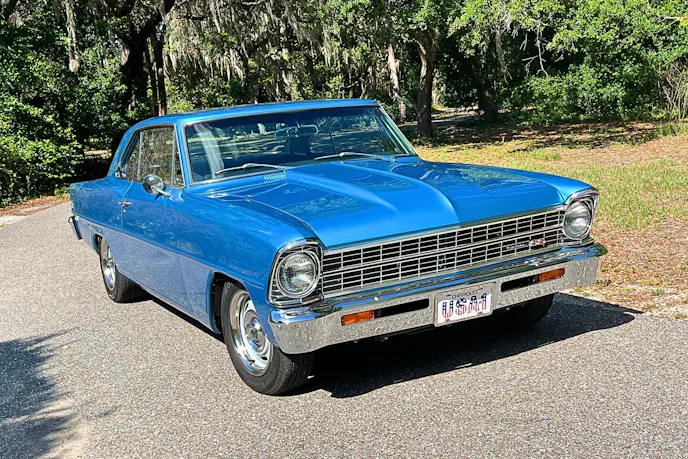
The Nova was in parts and it took Don six years to get the car to its current state. Looking at it now, you’d never guess he started with a vehicle he believes should have been crushed.
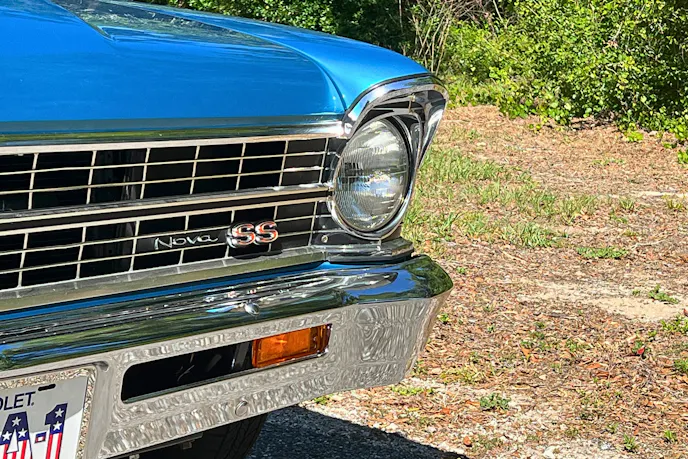
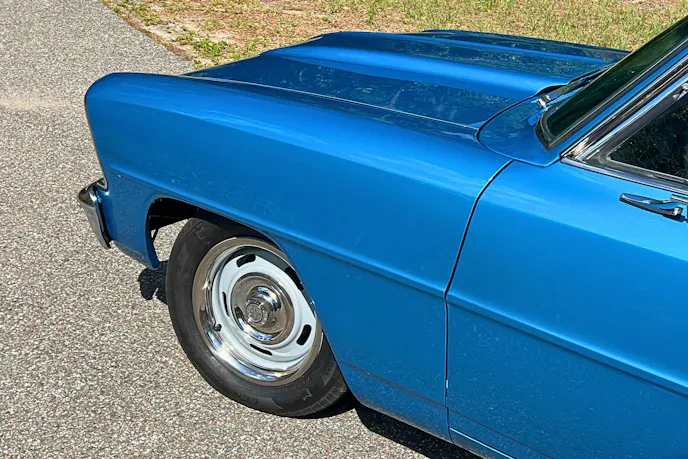
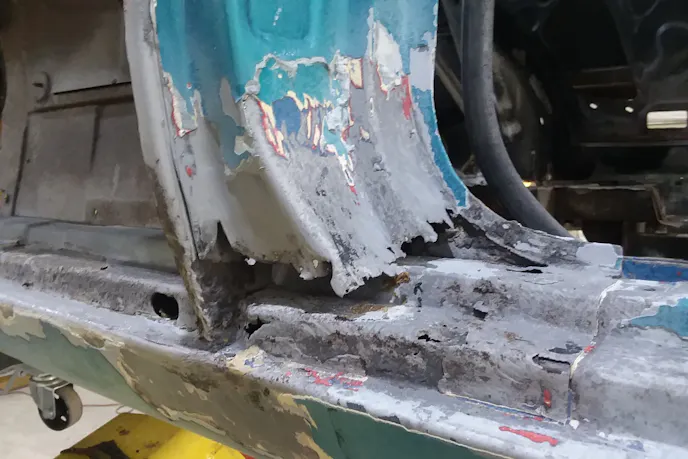
”Lots and lots of rust,” Don told us. The only thing that was cancer-free? ”The roof.”
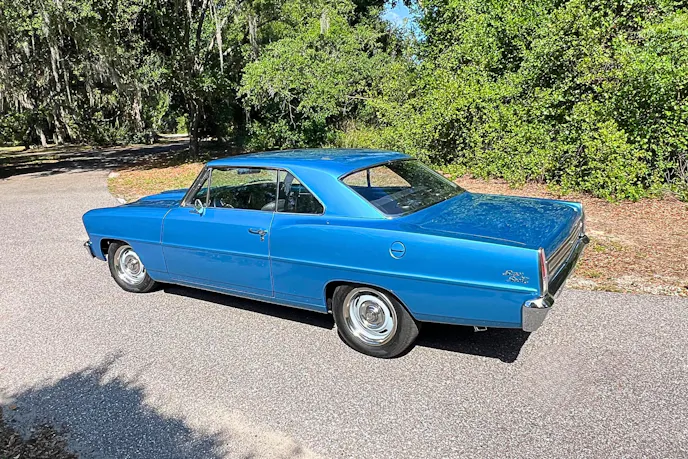
Don replaced the trunk, the floor, the firewall, the entire front clip, and the rear quarterpanels. He even drilled out the pits in the decklid beauty panel, filled them in, and restored it to its original condition, which is no easy feat.
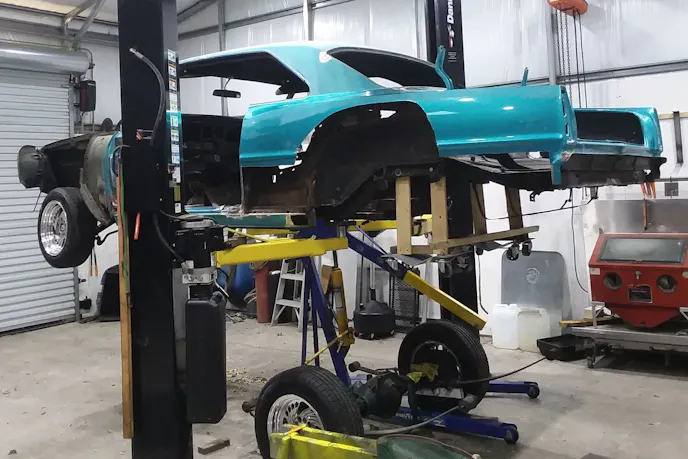
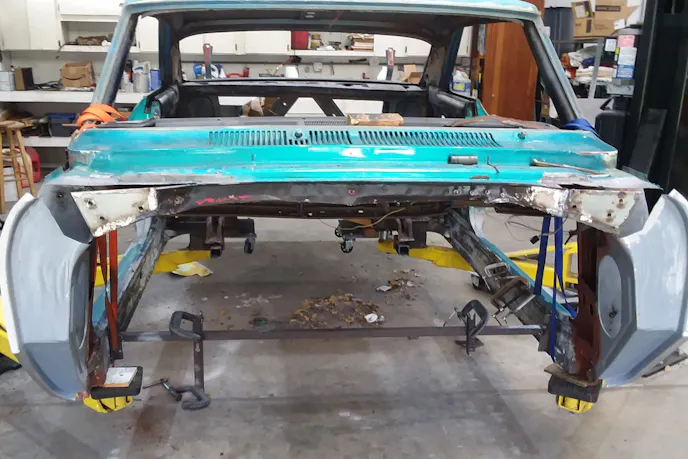
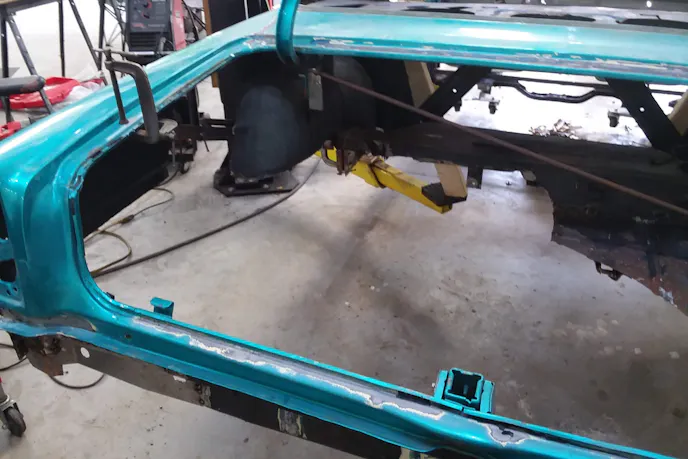
”When I bought the car, it didn’t have an engine. The 283 had a cracked block,” he says. ”If you look at the money for a transmission, engine and computers for it at the time, I paid $2,100. I always wanted an LS1 because these things just work better than the older stuff.”
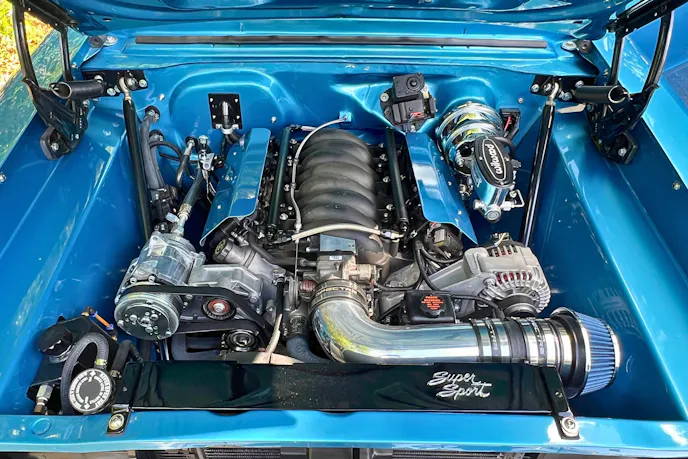
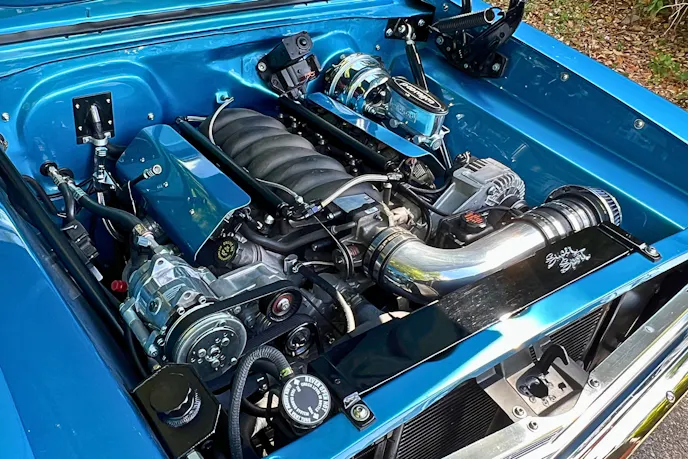
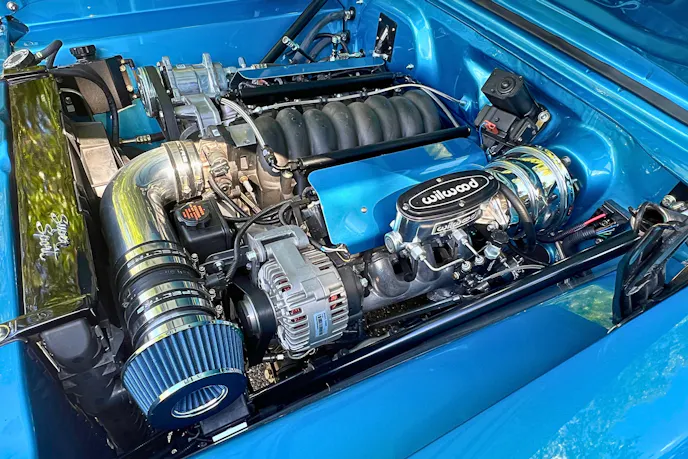
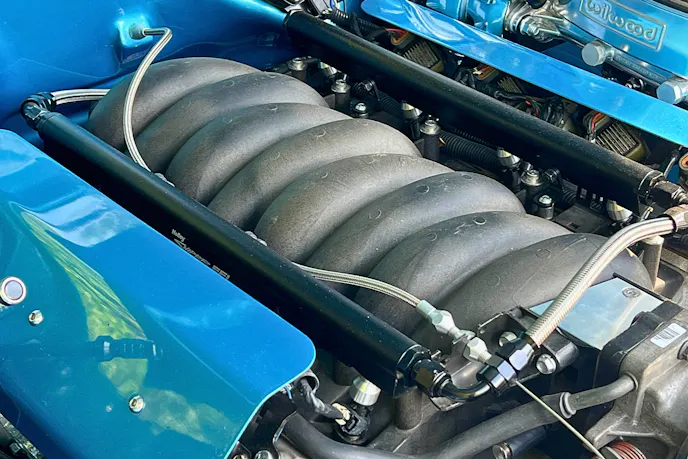
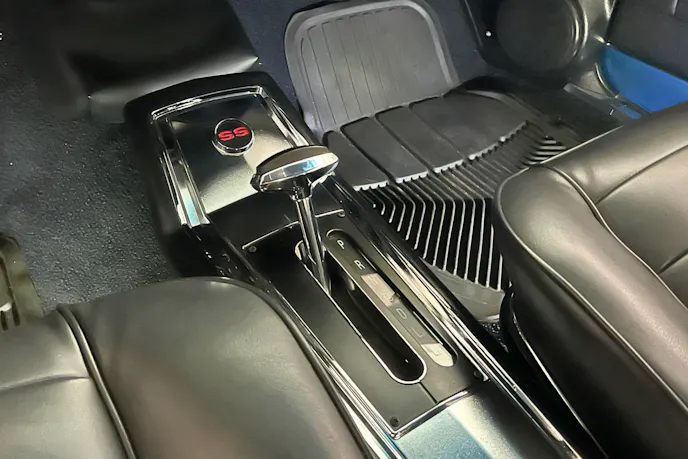
The engine itself was out of a truck, to which Don added a fourth-gen Camaro intake and oil pan. It is mated to a 4L60 automatic. The swap kit was procured from Holley, as was the front dress. The radiator and fans are for a late-model Camaro. The Nova needed a new core support, which Don installed, and when he did he opened it up a little to make the radiator fit and work better. The fans, he noted, slipped right in, but the car runs so cool the fans (set to come on at 205 degrees) rarely come on.
The exhaust manifolds are from Holley and the H-pipe-equipped exhaust system from Flowmaster, including the 2.5-inch mufflers.
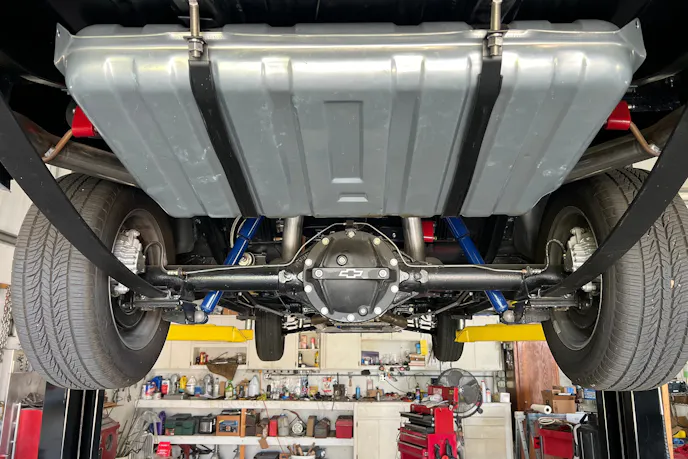
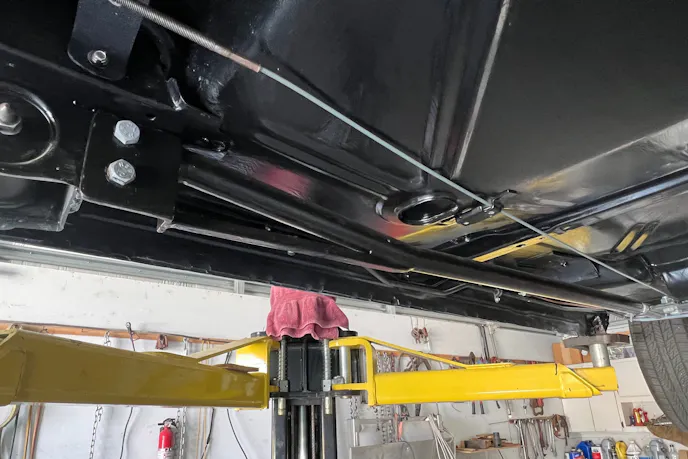
The rear suspension is stock 1967 Chevy II, but the 10-bolt Posi rear is from an S-10, as are the disc brakes. The shocks are stock replacements.
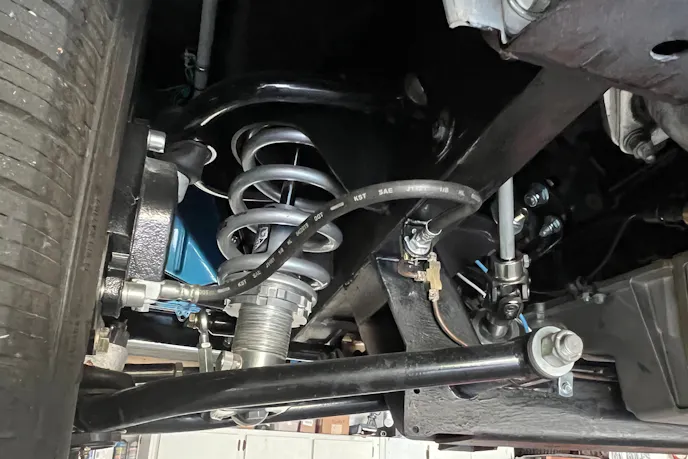
The entire front clip is Classic Performance Products, which includes tubular control arms, Viking coilovers, and rack-and-pinion steering. Classic Industries is the source for the repop Rally wheels, which are encircled by General Altimax RT rubber (195/65R15 front, 215/R60 rears).
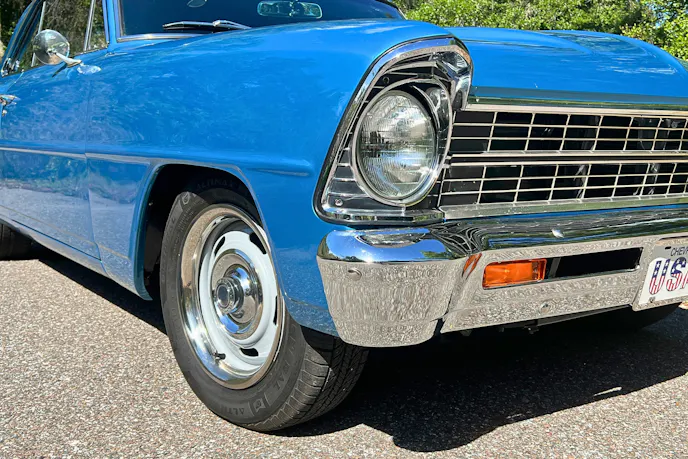
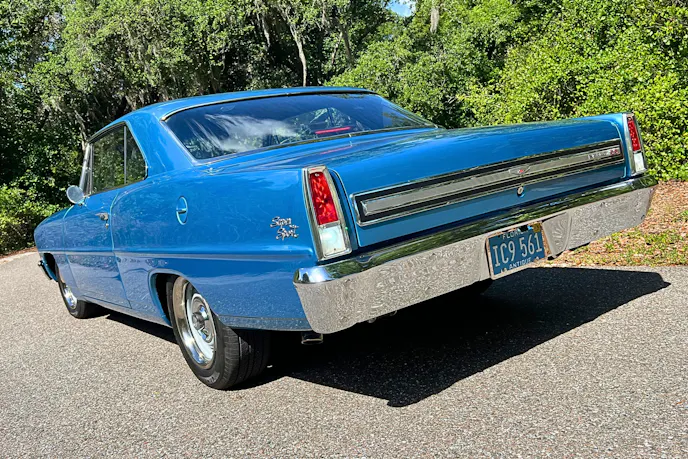
Marina blue is the original color and it still goes perfectly with the factory black interior. Don had to work through four different colors, including green and red, while stripping it down before sending it off for paint. Naturally, it wears the now-ubiquitous cowl-induction hood. The bumpers and trim were also redone.
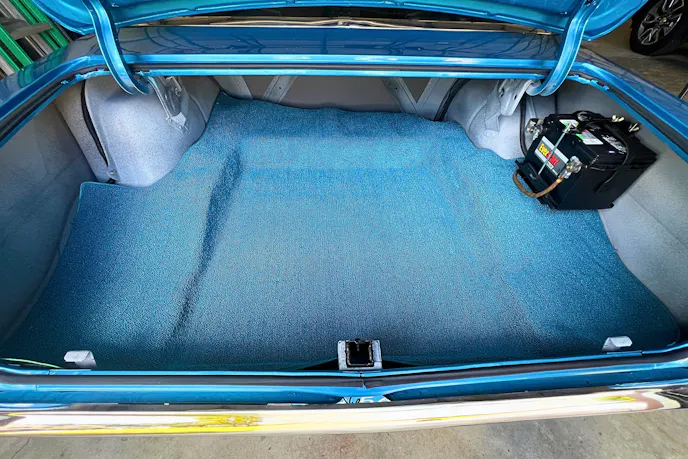
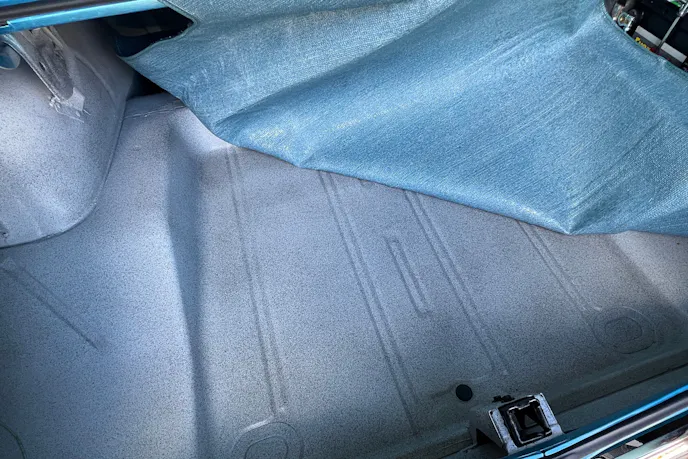
The trunk got almost as much attention as the rest of the body. All the metal had to be replaced, then Don sprayed it with grey epoxy primer. To get the splatter effect, he took base black paint right out of the can and put it in the spray gun without thinning it. He barely cracked the gun open, so it just spewed paint out a little at a time. He did that until the trunk was covered to his liking, then laid matte clearcoat over everything.
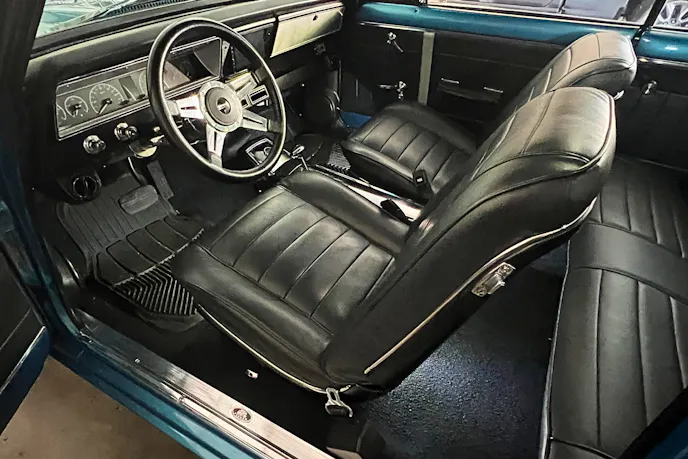
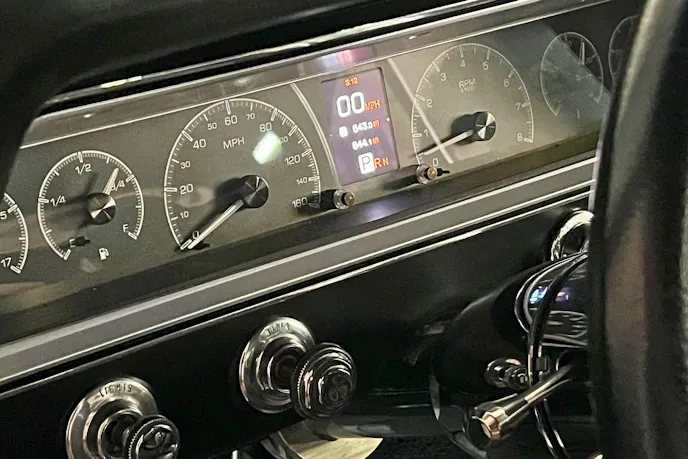
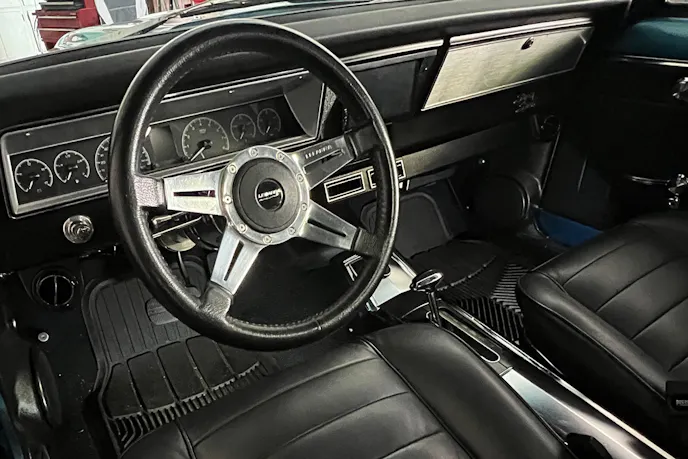
The interior appears mostly stock, with a couple of alterations. A LaCarra steering wheel makes the front Rallys go left and right, there’s an aftermarket stereo with a backup camera, and righteous Dakota Digital gauges keep track of everything. The rest of the interior came with the car.
What’s Don’s favorite part of the SS?
”I think the engine compartment as a whole,” he says. ”I think it came out really, really well, in my opinion.”
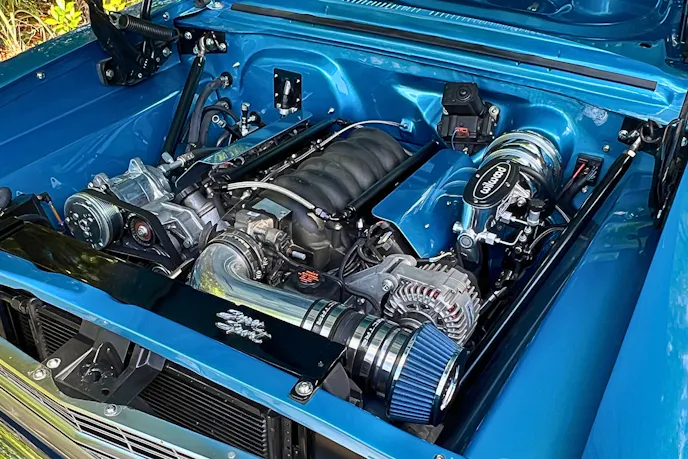
He has no desire to do anything drastic to it at this point. It’s just what he wanted. Don did want to thank Earl Hinsley, who worked with him on the body stuff, Bob Church and Earl helped him put the glass in. His friend Ti painted the car and did a phenomenal job on the exterior and under the hood.
Not too shabby for a car that should have been crushed.
You might also like
1,511-HP Street Machine: John Warren’s Nuclear ’72 Chevy Nova
It's still the same Chevy Nova that Warren drove to school, only it's packing enough power to run with the quickest cars in the country.