
One muscle car everyone feared was the mighty L78-powered Chevy II, which debuted in 1968. These were high-13/low-14-second cars off the showroom floor and despite not really advertising them, the Bow Tie folks moved almost 700 of them. There was a different big-block Nova, though, one that flew even further under the radar: The 396/350 Chevy II, which got 25-horse less powerful hydraulic-cammed Rat engine.
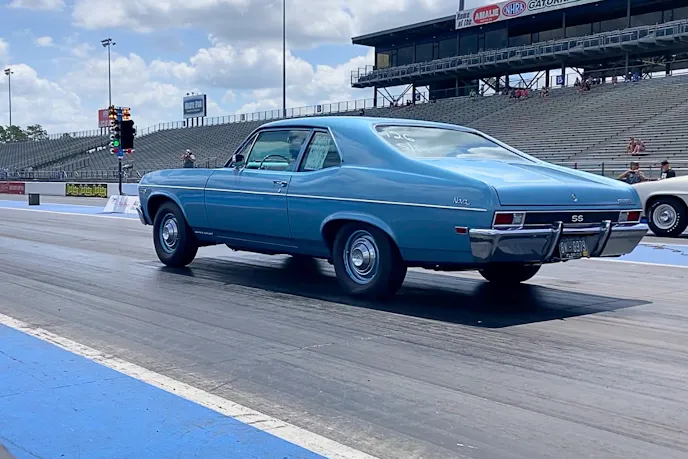
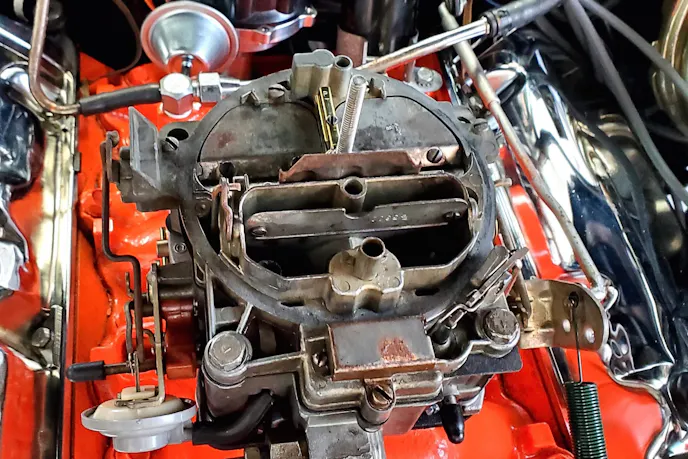
Only 234 396/350-horse Chevy II Novas were sold in ‘68 and the one you see here is one-of-48 with the Turbo 400 transmission — and it was built a column shifter and a bench seat, no less. (The year 1968 was the swan song for the fabled L79 327 small-block, which was downrated to 325 horsepower.) Besides the cam, the carb was a Quadrajet, whereas the L78 got a Holley, and the 375-horse L78 got better heads with bigger valves.
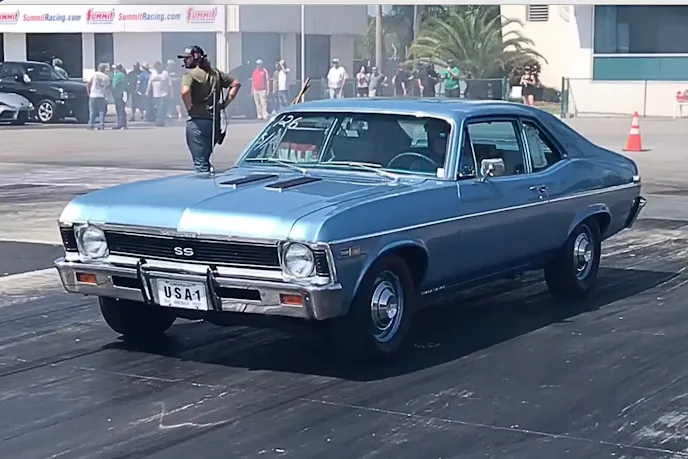
Christopher Teed is the owner of this Pure Stock Drags/Factory Appearing Stock Tire-compliant deuce. He is the third owner, purchasing the car from noted Chevy II expert Wayne Bushey in 1998. The big-block Chevy II was sold new in Bell, California (Los Angeles area), where Bushey got it from the original owner. According to Teed, the owner’s son was helping his dad, who was stricken with Alzheimer’s Disease. When Bushey got to the house, the old man forgot why he was there and called the cops on him. Fortunately, the son arrived shortly thereafter and the owner snapped back and invited him in to complete the deal.
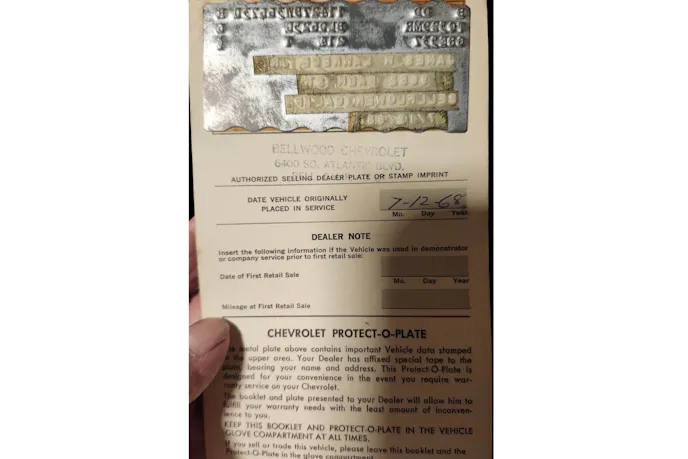
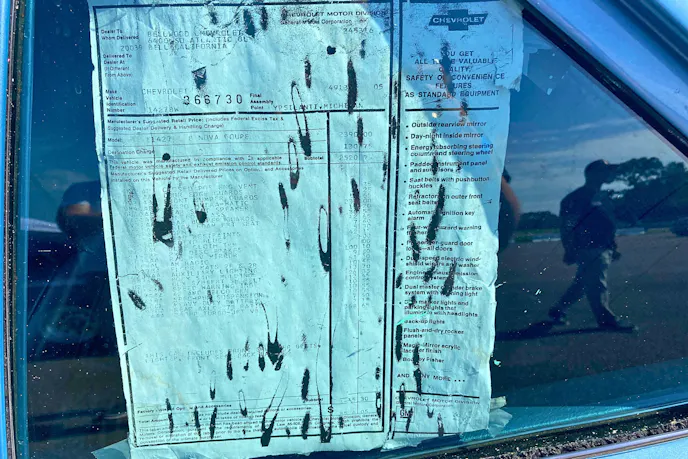
The X-body was pretty original then, and after Teed got it, he put it on a rotisserie for restoration. It was then that he discovered the true joy of buying a Southern California car.
It has all its original body panels. There was some light surface rust underneath, but nothing else.” — Owner Christopher Teed
First The “Restoration”
The car was resprayed in its original Grotto Blue and the blue interior was reinstalled. Even the factory-style side molding was put back to further ingrain the sleeper appearance. The factory poverty caps on blue wheels were retained as well. Except for some extra gauges (Auto Meter tach, AEM air-fuel ratio) it looks pretty much like it did in 1968.
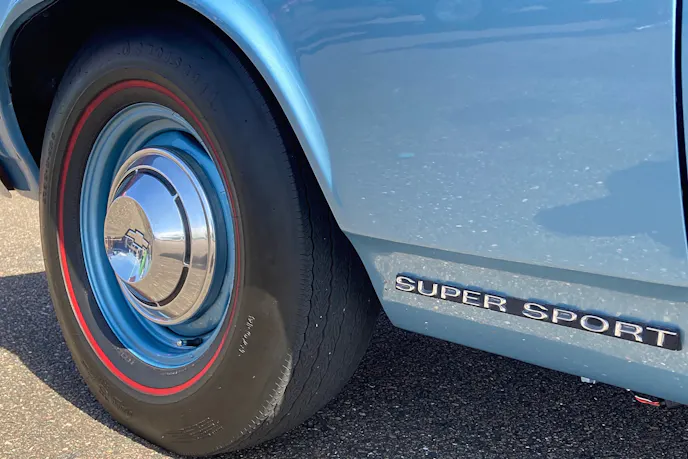
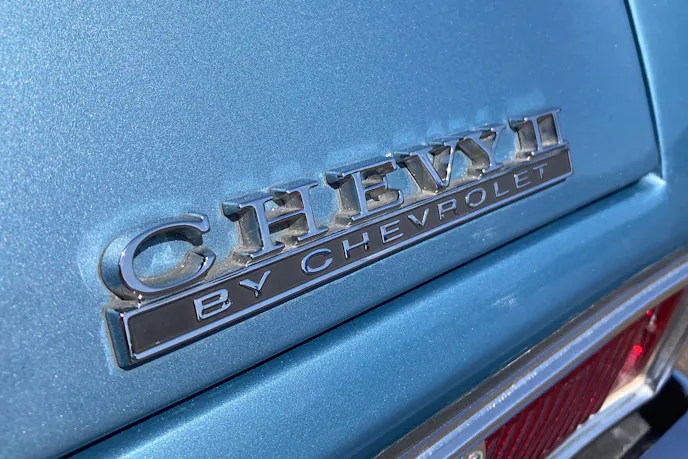
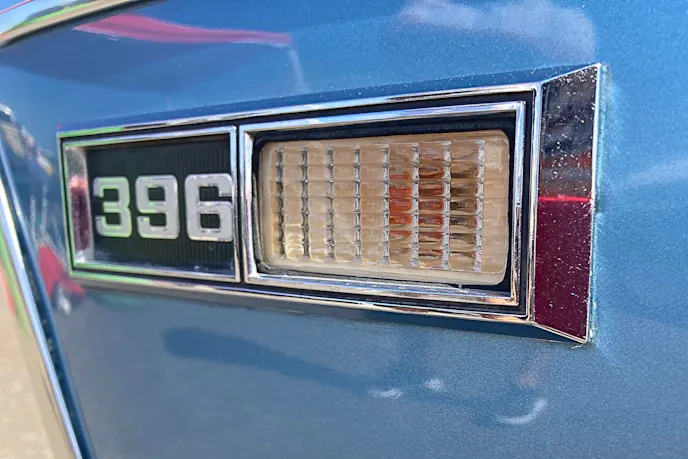
Because it runs in the Pure Stock/Factory Stock category, the rules of engagement are very strict for engine modifications. The heads and intake remain untouched, though there is a stocker-style Bullet Racing hydraulic cam inside.
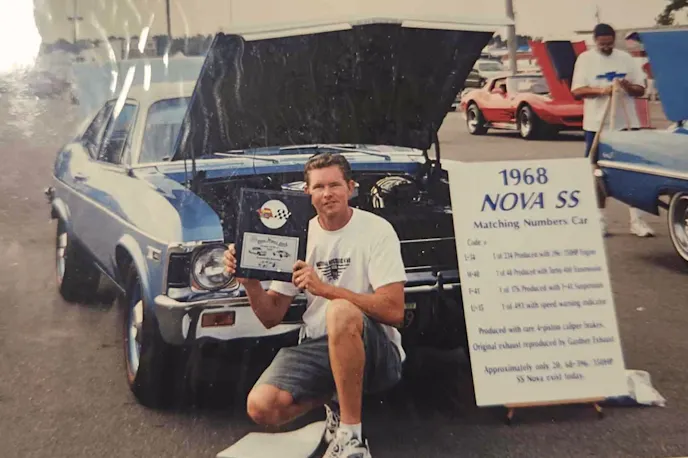
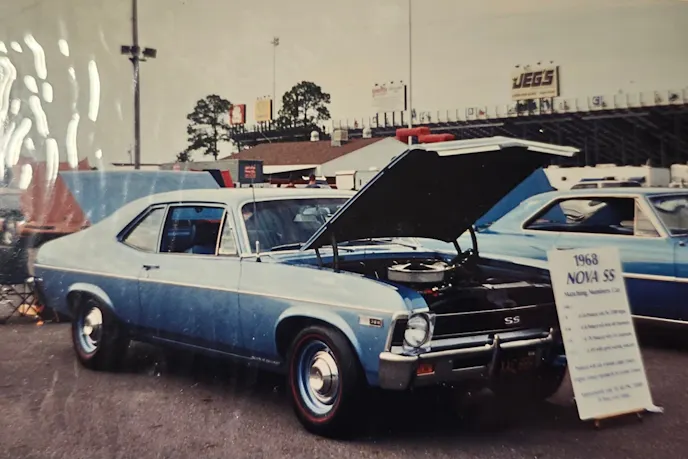
How Does He Do It?
So what is the secret to running mid-12s on skinny, slippery F70-14 bias-ply tires with a near-stock combination?
Practice, practice, practice, according to the owner. Little things matter. The little blue II started out as a 14.60 car first time down the track. Switching to a Pypes mandrel-bent 2.5-inch exhaust system into the single transverse muffler was worth 3-4 tenths. Just like in the old days, he experimented with clamping the leaf springs. Draining the oil from the front shocks gave him much-needed weight transfer. These two tricks help the tires bite on the line. Synthetic fluids in the engine, trans and rear were worth 3 tenths of improvement.
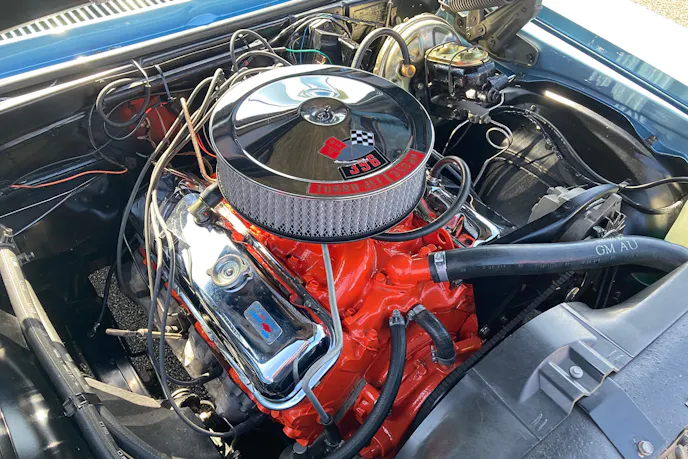
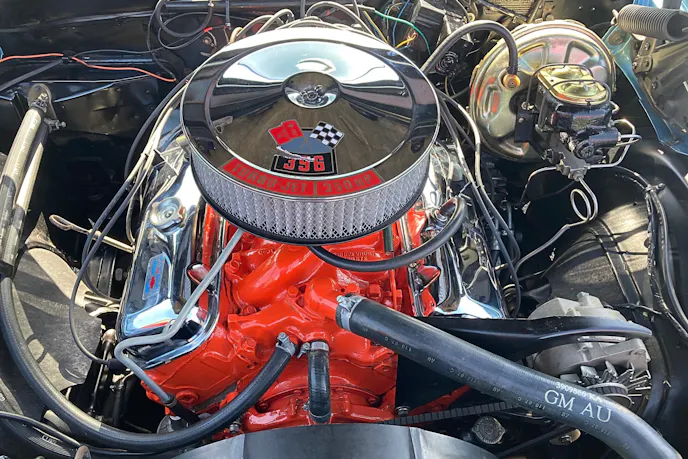
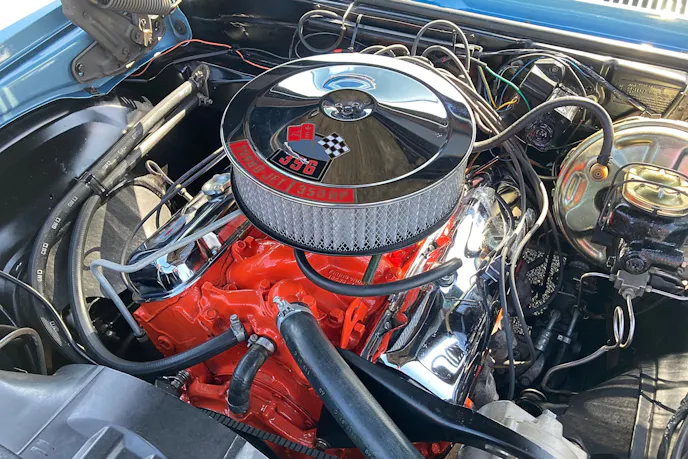
That flat, stock intake is not terribly good, but Christoper is always playing with rods and hangers inside the factory Quadrajet carburetor. The Chevy II retains its untouched original heads (and the numbers-matching block and stock crank, too). Recurving the factory distributor and maximizing the timing was worth two more tenths. Again, the simple stuff is critically important.
On the plus side, class rules allow an extra 1.5 points of compression. He’s taken this 396 from 10.25:1 to 11:1 in that department. He also added a .030-overbore to bring total displacement to 402 cubes.
The torque converter is the least aggressive available from Turbo Action, according to Christopher, with 2,500-rpm stall speed. The original Turbo 400 still backs up the 396/402, but has gotten a shift kit installed. He works the column shift manually for gear changes and reports the engine is out of breath at about 5,700 rpm.
With these simple mods, the tiny Rat made 300 rear-wheel horsepower (390 on an engine dyno). Not too shabby, we’d say.
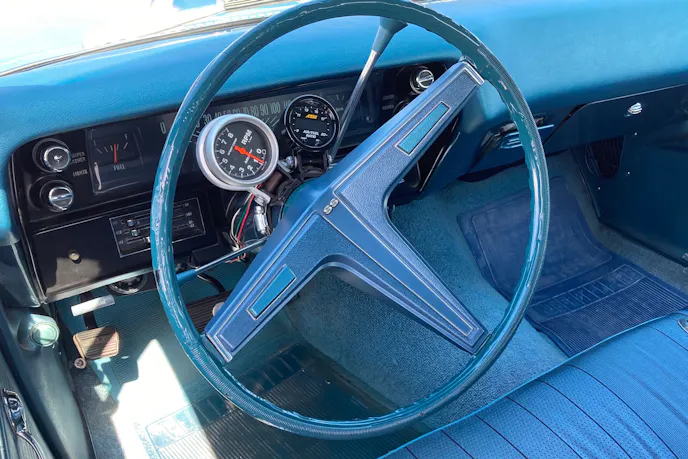
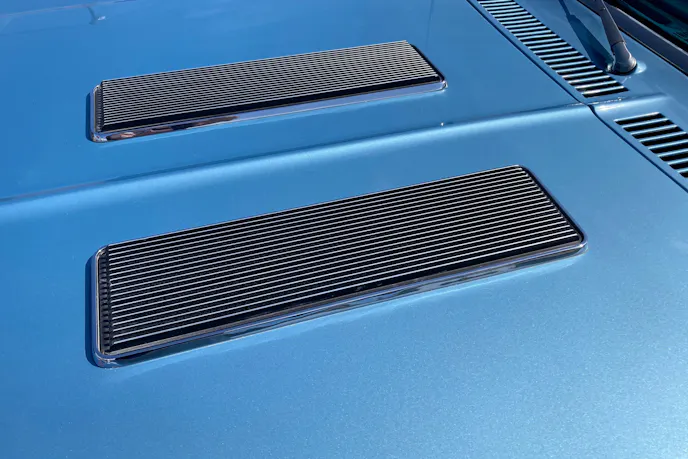
Teed has run a best of 12.68 at 108 mph, but the Grotto Blue bomber’s taken a backseat lately to his other two deuces — a ‘68 Chevy II L78 with L89 heads and a stick, as well as a ‘70 with the 375-horse engine and a Turbo 400. This is an incomparable trio of Chevy muscle.
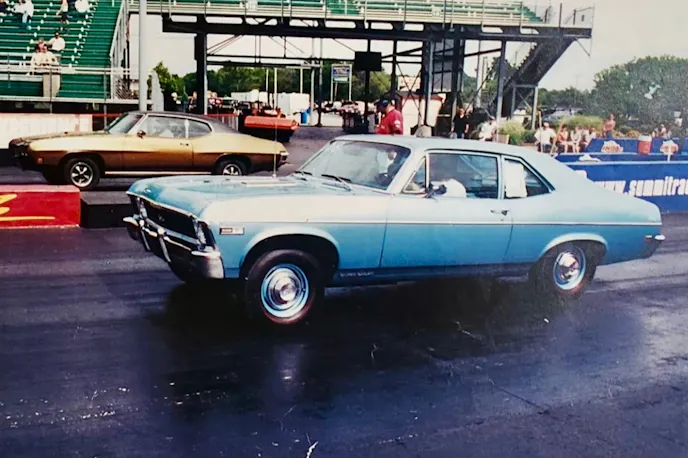
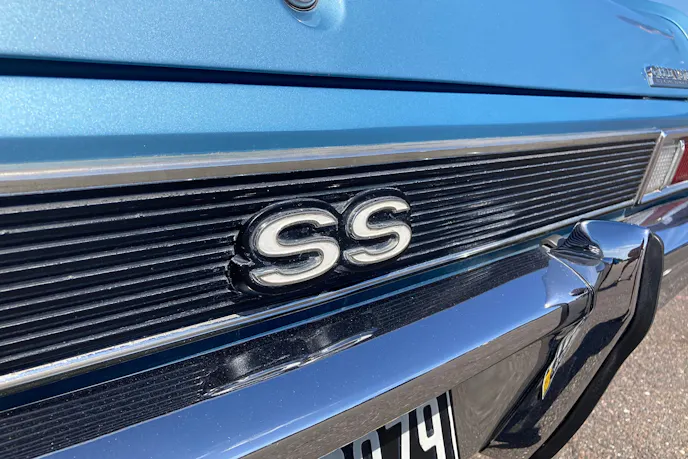
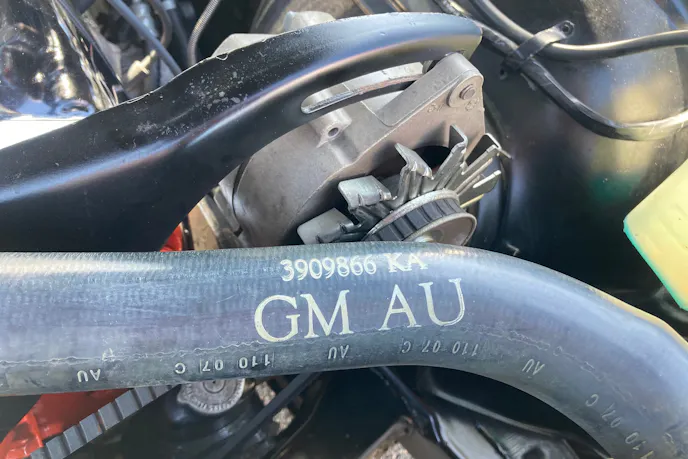
These were such basic, honest cars when new, and Chevrolet sold millions of them. Of course, very few got the big-block. It’s that double-digit production figure here and one owner’s attention to it that makes this one special.
You might also like
1,511-HP Street Machine: John Warren’s Nuclear ’72 Chevy Nova
It's still the same Chevy Nova that Warren drove to school, only it's packing enough power to run with the quickest cars in the country.