


Certain cars are rare, some are fast, and some are wild, but few are all three. Such is the case with this pair of early ’60s Mopars owned by Lee Saunders. The ’64 Plymouth is a real McCoy, 1-of-35 all-steel-bodied race Hemi with an engine, while the ‘62 Dodge Dart was built by Mopar legend Bob Mosher as a 413 Ramcharger tribute, replete with three-speed manual trans and fenderwell headers.

You might say Lee is a Mopar guy. Among his collection are these two, a ’69 Hemi Road Runner, a ’70 Hemicuda, and a survivor 19,000-mile Superbird. He also road-raced Vipers for a while.
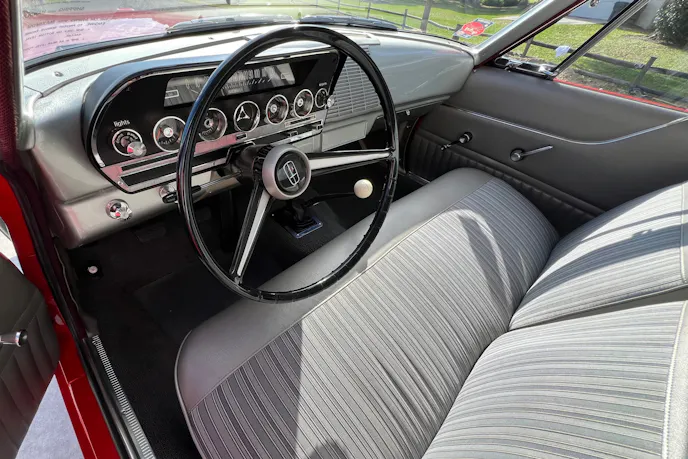
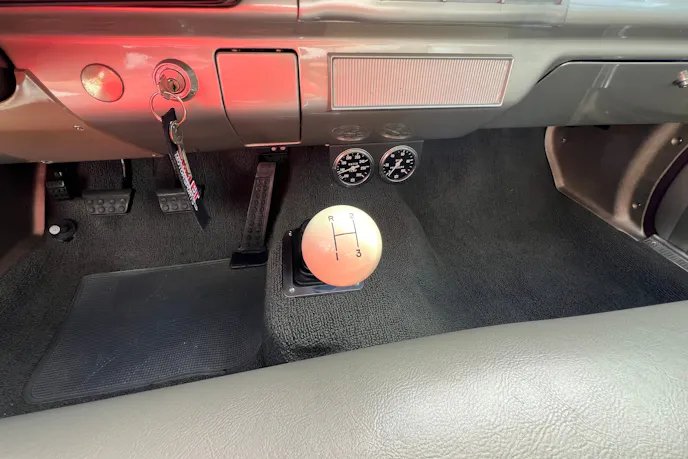
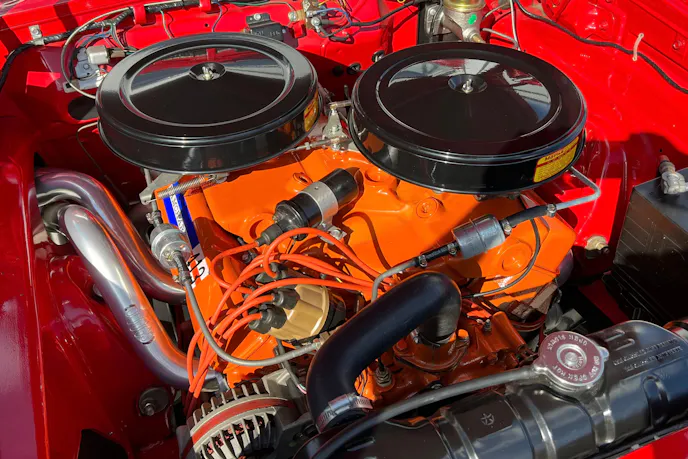
“My father’s first car was a ‘63 Sport Fury convertible, so I’ve always liked the earlier B-body style,” he said.
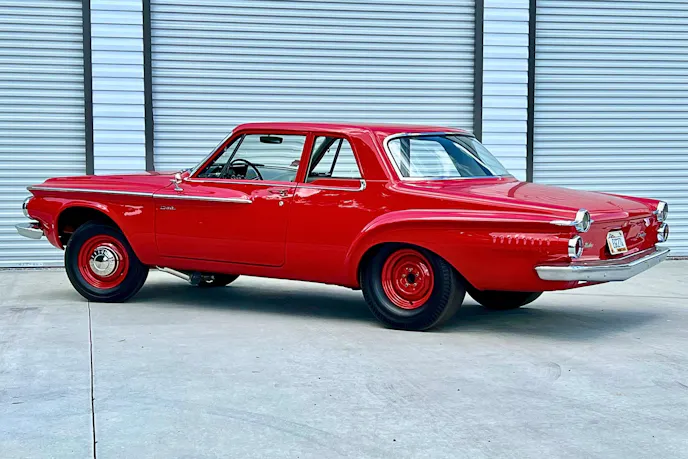
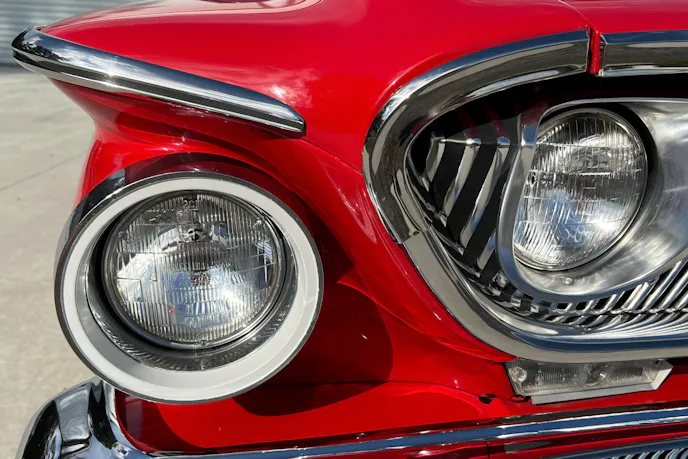
The ’62 Dart was a polarizing design when it debuted, a downsized full-size car when most every other manufacturer was screaming, “lower, longer, wider.” Even many Mopar diehards decided it was too much and sales fell off a cliff. It was definitely different. But being smaller than the full-size cars from Ford and GM made it lighter than the competition, and when the mighty 413 Ramcharger V8s were stuffed under the hood, things got interesting quickly.
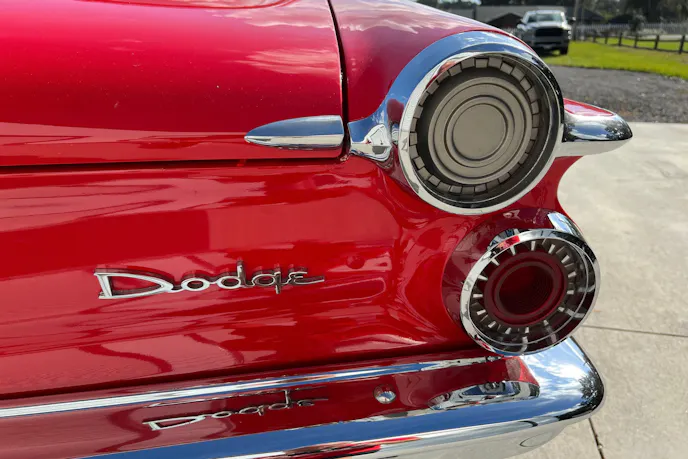
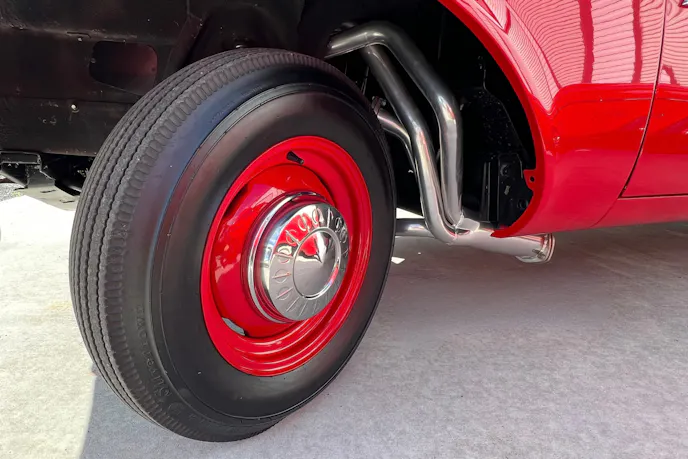
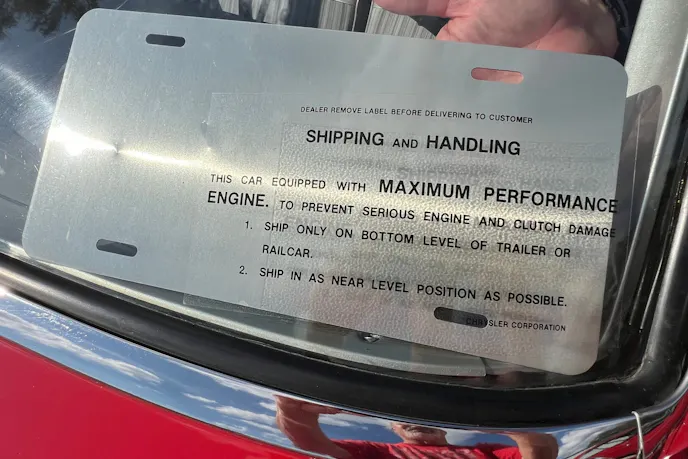
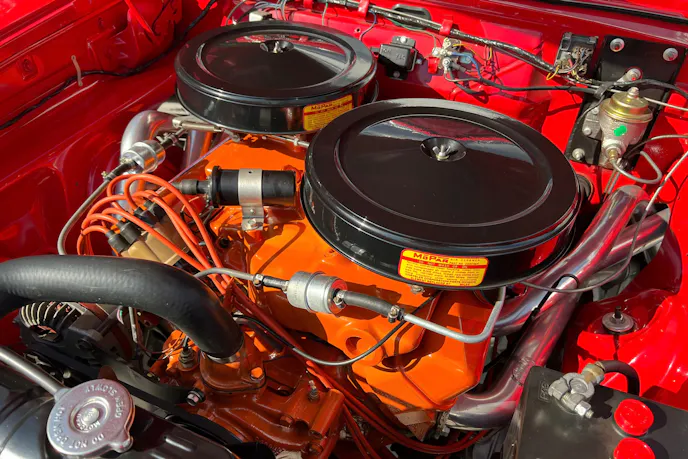
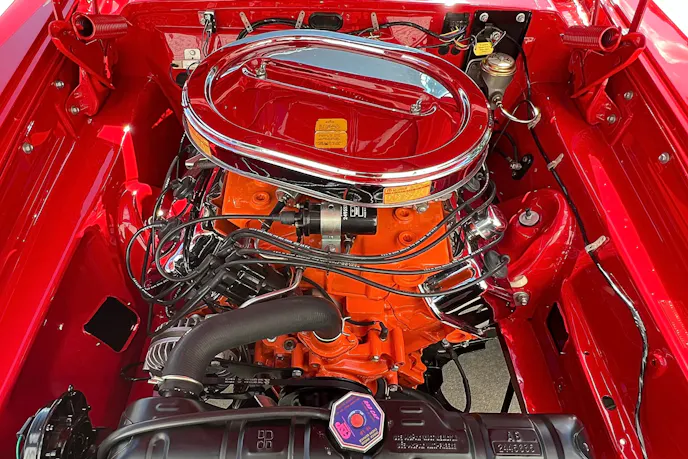
The ’62 you see here is not an original 413 Ramcharger car; instead, it is a stunning tribute created by Mosher. The engine mimics the factory 420-horsepower cross-ram V8, an engine which now has a lower than stock 10.5:1 compression. From the factory, it got a 300-degree duration camshaft, and brought 460 lb.-ft. of torque to the party. Dodge installed cast-iron headers with exhaust cutouts, but this Dart wears period-correct fenderwell headers and Day 2 nose-in-the-air attitude.
It’s hard to beat the look of a cross-ram intake …
More interesting, while most of the Darts came with factory-prepped TorqueFlite automatics off the assembly line, Lee’s car got a correct three-speed manual, even though the 727 cars were quicker (an automotive first in stock cars).
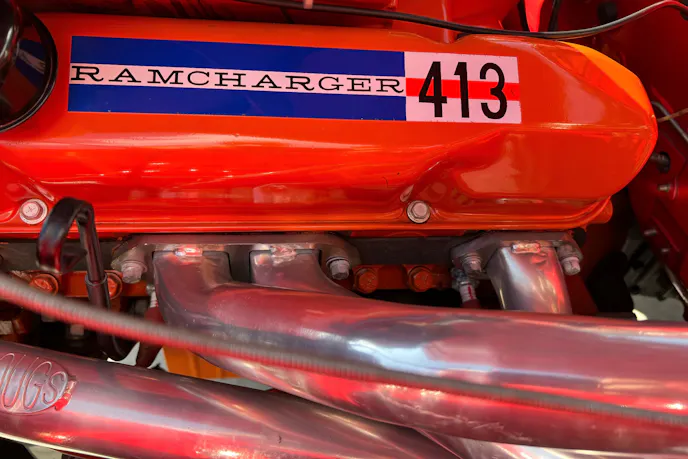
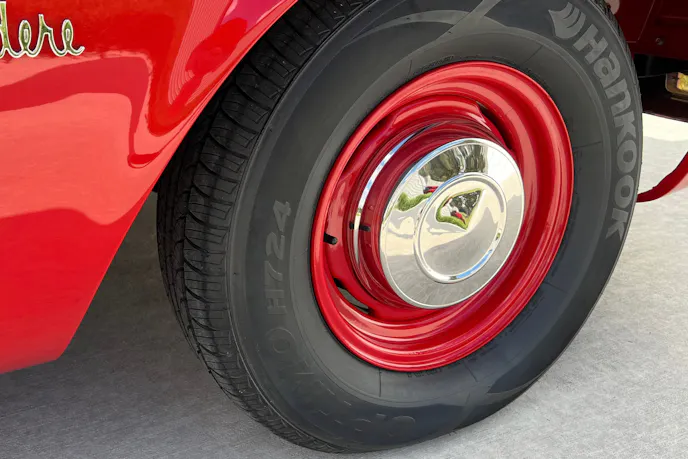
Other period-correct niceties? Four wheel drum brakes, skinny bias ply tires on narrow steel wheels, and dog dish hubcaps. On the inside, it is purely analog. No seatbelts were installed, but the silver/grey/black bench seat contrasts nicely with the red paint and white headliner.
Low-Priced Plymouth Was Not So Cheap
The ’64 Plymouth Belvedere is a true oddity, as we said, 1-of-35 built. All-steel bodied race Hemis were almost an afterthought. Chrysler practically denied it made them. As you might imagine, though Plymouth was supposed build low-priced cars for working folks, this was not an inexpensive vehicle — not in 1964 and not in 2018 when Lee grabbed it.
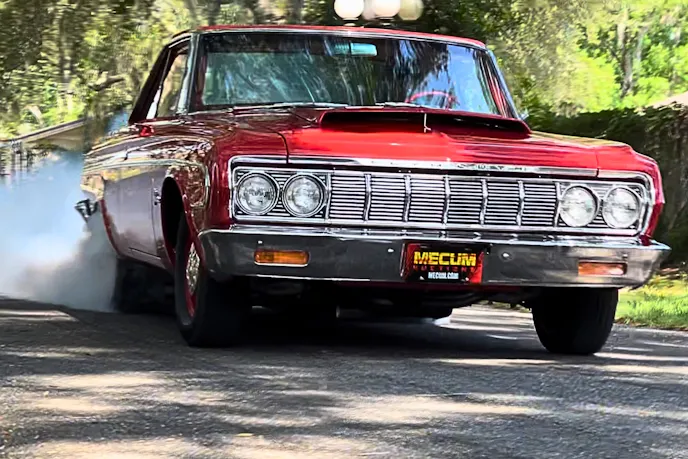
“At first, there were some swirling rumors they built them to make them legal for NASCAR because they were hardtops, it’s a non-aluminum car, just like a Grand National car would have been in 1964,” Lee said. “The latest generally accepted reason for the existence of these cars was as Max Wedge production came to an end and the Hemi cars started being produced — if your order hadn’t been filled, you got a Hemi car.”
Nice consolation price.
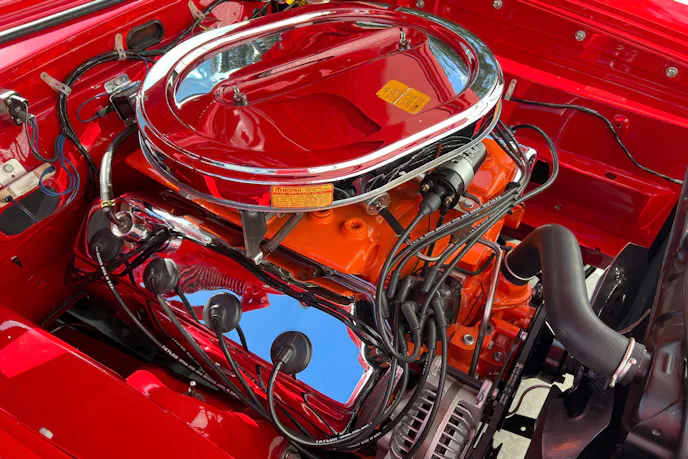
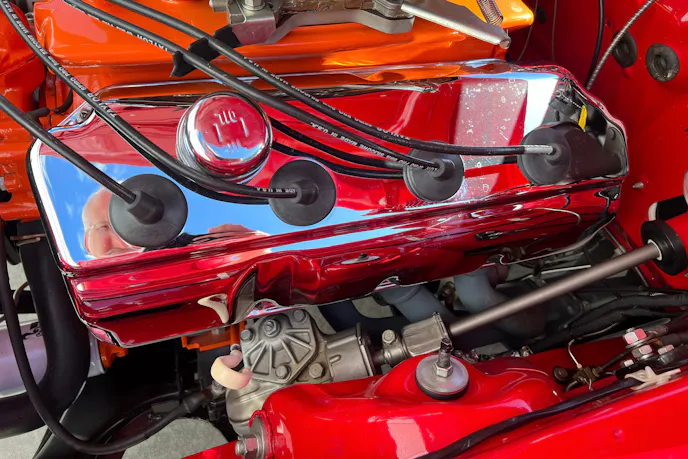
Yes, it has the push-button automatic 727 gearbox. Even crazier, when Lee purchased it, the race Hemi’s engine had a street-friendly 9.5 compression ratio. He’s going to rebuild the engine back with the stock 12.5:1 compression ratio, but for now he’s having a blast ripping it up on the street, knowing he’s reliving a unique era of automotive transmission on 93-octane pump fuel. Despite its rarity, he drives it to car shows, cruise nights, and there’s plenty of room for the family.
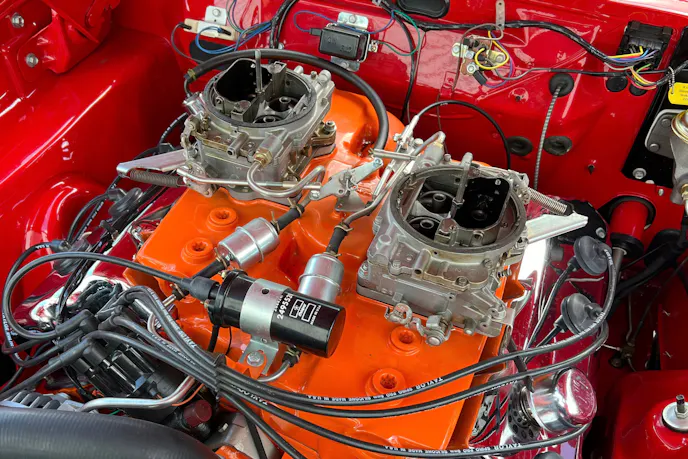
Another thing about the steel-bodied Hemi cars? They were the only race Hemis that came with Carter AFB carburetors instead of Holleys. Why? Probably because ChryCo had them leftover from the Max Wedge program, so that’s what you got.
17-Year Journey From Want To Ownership
Lee first started looking for one of these unusual Mopars back in 1991, but it wasn’t until 2018 that the trail got warm. He saw that this car was going up for auction at the Mecum event in Kissimmee, Florida, not too far from where he lived. He was inexperienced in such endeavors, so he left it in the hands of a friend who was a bidder. Lee had inspected the car, felt it was legit, told him his number, then waited.
“As the time came up, I was getting nervous as can be,” recalled Lee. “I said, ‘Steve, this is my number. I’m leaving.’ ”
He thought the Belvedere would probably bring double that amount, but about 30 minutes later it was game on. The first bid was $10,000 away from Lee’s max, so he figured it was a lost cause. Instead, the bidding immediately slowed down, to the point where Lee’s bid ultimately won the auction.
Semi Luxurious For A Race Car
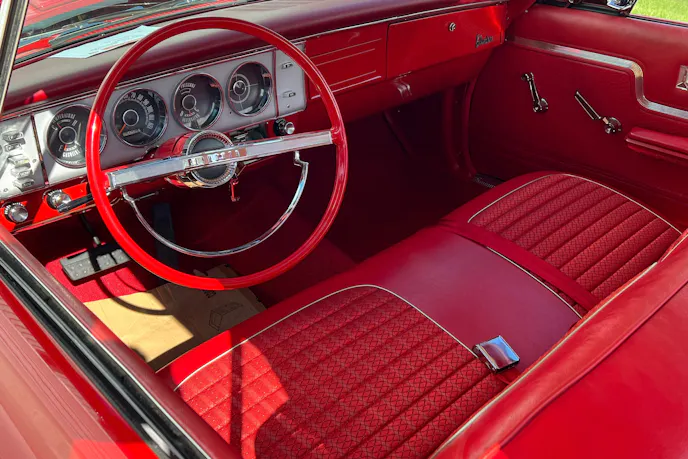
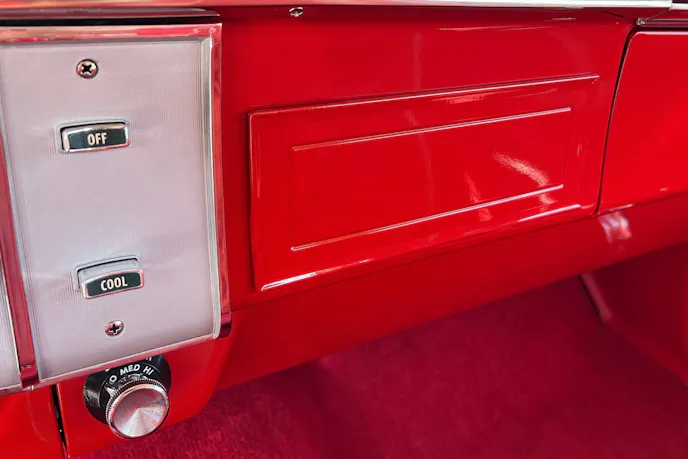
What’s crazy is that the interior is actually quite nice, all things considered. It’s got the nylon/vinyl combo bench seat, rich red carpeting — it even has front and rear arm rests (the latter of which you won’t find in Lee’s Hemi Road Runner). Of course, don’t go looking for a radio, heater, navigation system or climate control. Back then, climate control meant opening the wing windows and rolling down the side glass.
The story does have a happy ending. The car was documented by Mopar expert Darrell Davis, who is the authority on these monsters. He has a book with every VIN for these cars and Lee’s was in it. Plus, the purchase price was significantly lower —probably half — than if he had to buy one and restore it at today’s prices.
You might also like
Former GM Engineer Builds The First-Ever Big-Block C8 Corvette Swap
Larry Hofer built a one-of-a-kind Big Block C8 Corvette. The mid-engine swap features an 8.1-liter truck engine with direct injection.