
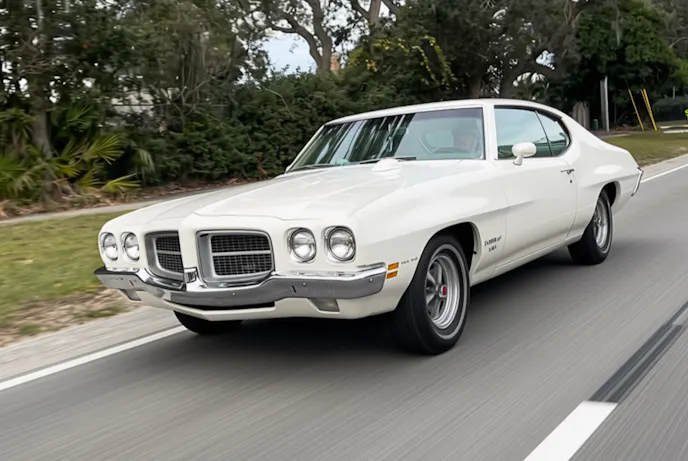
The muscle car market that Pontiac helped create pretty much imploded in 1970. Even though it was the peak year for performance, high insurance rates, a changing marketplace and 334,600 potential customers stuck in Vietnam made for a troubled environment for high-performance new cars. For 1971, Pontiac needed something that would fly under the radar while delivering exceptional performance and value. That car became the 1971 Pontiac T-37 with the optional 455 H.O. engine.
Sales of the GTO plummeted in 1970, to 40,149 vs. 72,287 the year before. The Chevelle SS got the 454 LS5 and LS6 V8s that same year, but production fell from 87,030 to 62,372 despite a huge injection of extra horsepower. Things were not much better at the Mopar camp, where Road Runner sales went from 82,109 to 39,110 (including the wild Superbird). The market was definitely in a state of flux. That’s where the T-37 came in.
Pontiac dropped the Tempest name that year, re-christening its low-level midsize as the T-37. The T-37 could be as bare bones as any Chevy or Plymouth. (Your author’s brother had one with a three-on-the-tree, straight six, and precious little else.) It was affordable, reliable, and simple. It attracted zero attention. It was an economy minded midsize.
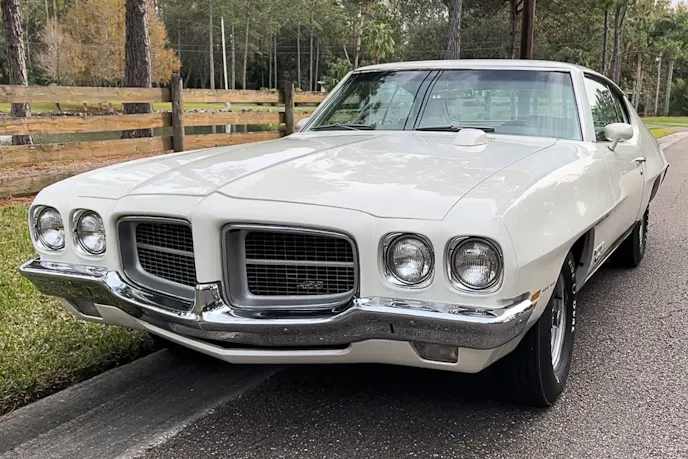
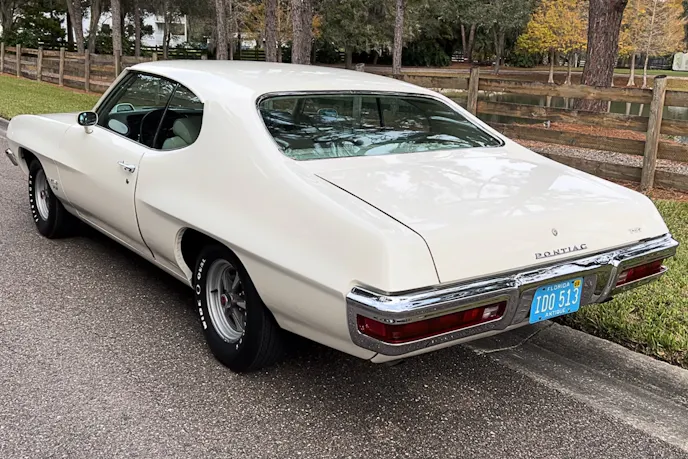
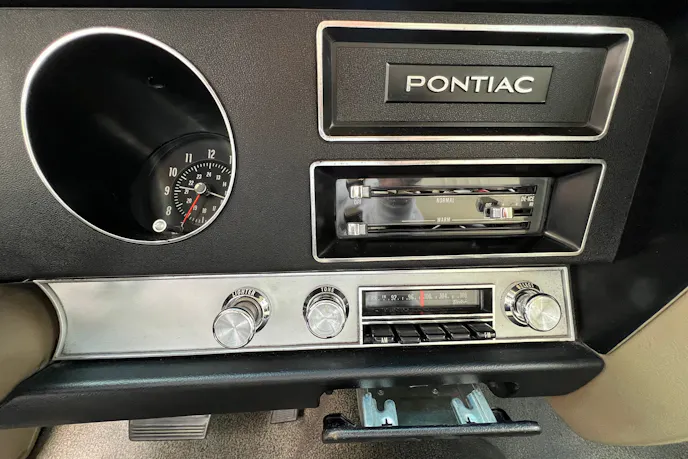
Of course, Pontiac being Pontiac, it was able to sneak one performance model under the radar. Among the optional engines was the new low-compression 455 H.O., a giant killer that came with little exterior identification. There were no hood scoops, wings or stripes, though a hood tach was optional.
Rare, Sleeper Muscle Car
For those of you hung up on production numbers: The car you see here is one of 15 455 H.O. T-37 hardtops, and one of six with the Turbo 400; there were supposedly 11 two-door sedans also produced.
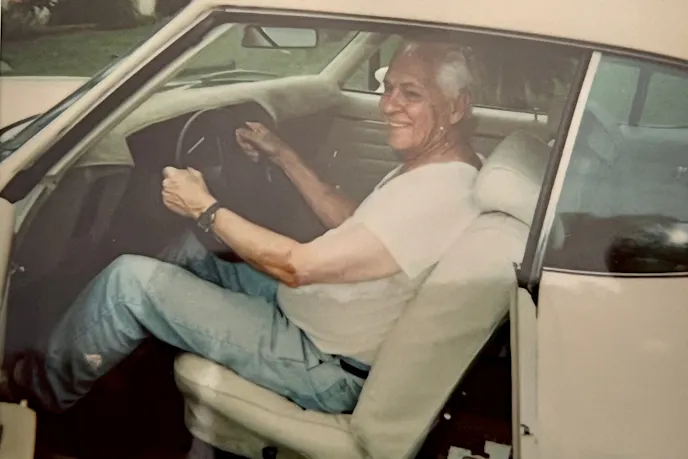
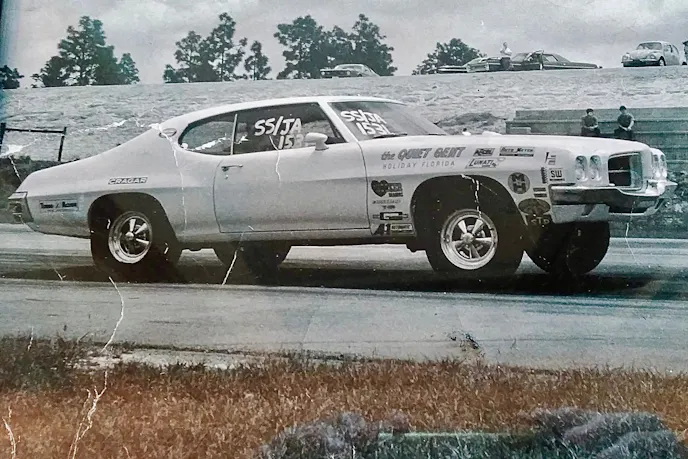
The Pontiac was sold new at Crown Pontiac in St. Petersburg, Florida. It was originally purchased by Warren Young, who raced it at Twin City Drag Strip in Oldsmar, Florida.
“I had just purchased a 1974 Grand Am from a gentleman named Neil Farentino and as I was getting ready to take the Grand Am home, I looked across the street to an unfinished subdivision and there was what appeared to be a LeMans,” recalled Kevin Guido, our feature car owner. “I said, ‘Whose car is that?’ and he said it was his son’s. I asked if I could take a look at it. Then I saw the hood tach and asked if it was factory.”
“I was foaming at the mouth at that point. I said ‘I can’t believe I’m looking at such a piece of Pontiac history …
It was. Once the hood was opened, Kevin looked for the magic two-letter code on the block: YE.
“Is that what I think it is,” Kevin asked Neil. “He replied, ‘It certainly is.’ ”
It, in this case, was the original YE engine, making this car one of the 15 hardtop T-37s with the 455 H.O. engine.
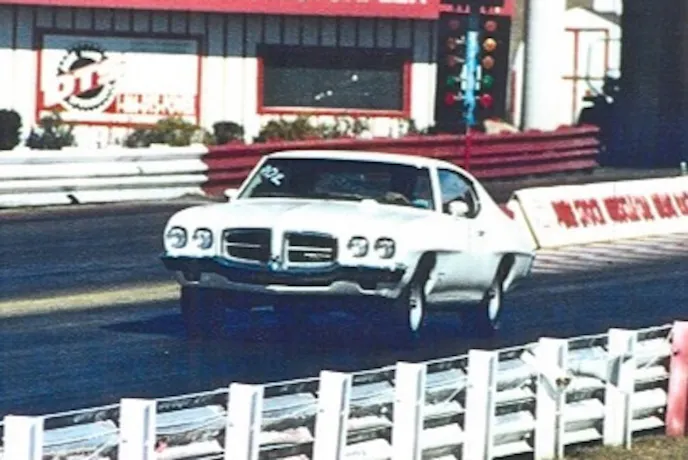
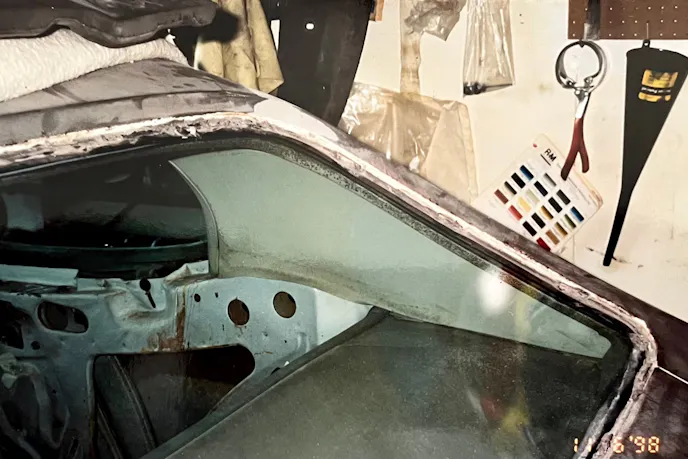
Kevin says the car was not in great shape when he saw it that day, but that doesn’t mean he wasn’t hot for it. He is a hardcore Pontiac enthusiast, owning or having owned quite a few over the years (including a magnificent ‘69 GTO Judge that was restored using all NOS parts) and there was no way he was letting this piece of rare Poncho history escape, even if it was a diamond in the rough.
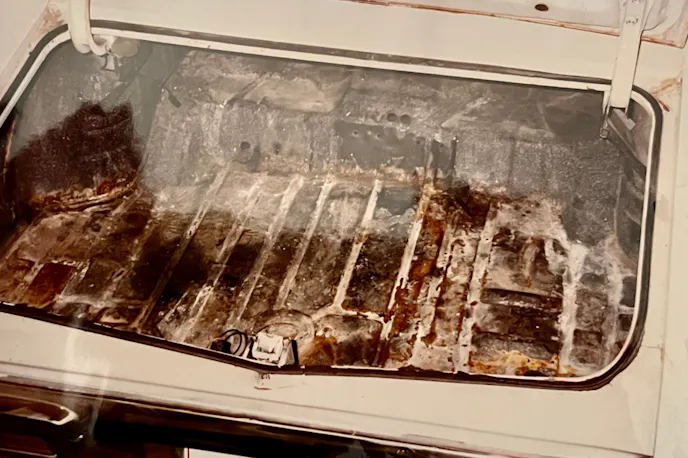
“I was foaming at the mouth at that point. I said ‘I can’t believe I’m looking at such a piece of Pontiac history,’ ” Kevin told us. “The car was in rough shape when I first looked at it. It had surface rust all over the place, but that engine made all the difference to me.”
The car had been documented to T-37 expert Dan Jansen, so as Kevin walked away he couldn’t stop staring at it. He made sure to tell the father of the owner that he wanted it if and when it went up for sale. That was in August of 1995; by the following January, the car was Kevin’s.
Getting His (Not A) Goat
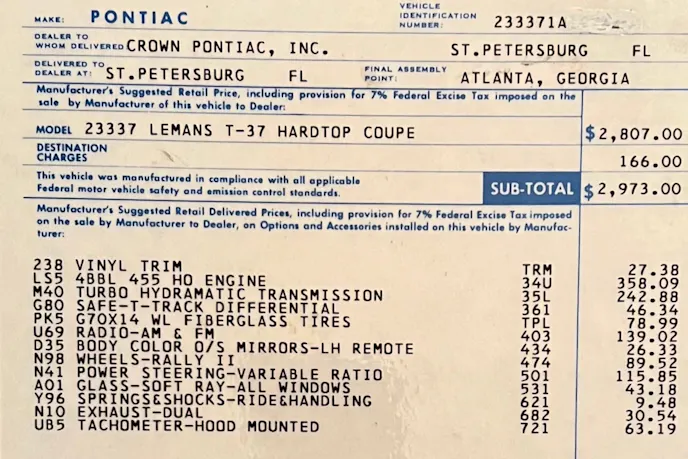
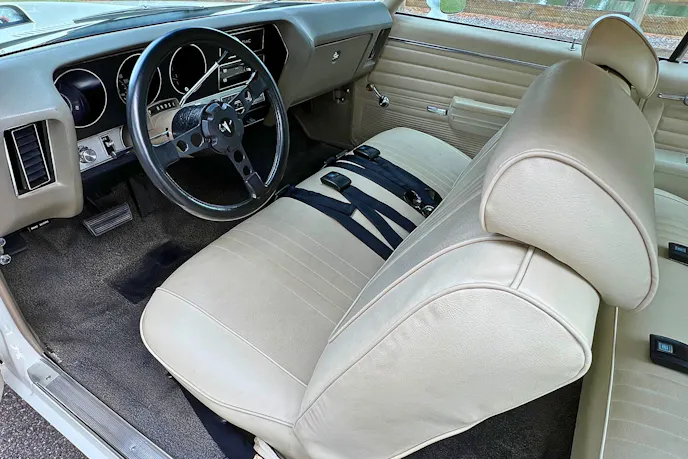
When the original owner ordered the T-37, it was short on options, but high on performance. Bench seat, column shifted Turbo 400, and Soft Ray tinted glass were a few of the options, as was a 3.55:1-geared Safe-T-Track rear.
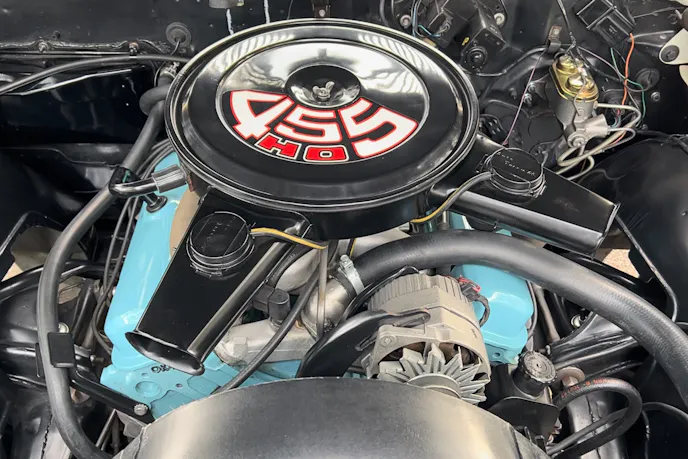
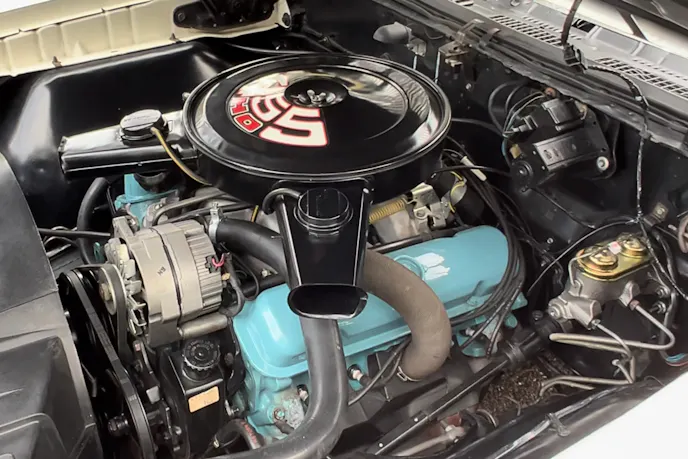
The engine is the original 455, rebuilt to near stock specifications. It was rated at 335 net horsepower at 4,800 rpm and 480 lb-ft of torque — making it one of the most powerful muscle car engines in 1971. These cars ran low-14s in the quarter-mile, pretty remarkable considering their paltry 8.4:1 compression ratio.
The air cleaner is the correct piece of equipment for the year/model (non Ram Air 455 H.O. engine). He scored it from Butler Classics in Wisconsin and what makes it unusual is that it has heat risers on both sides. Inside said air cleaner assembly is the OE 800 cfm Quadrajet carb.
The underside of the hood is correctly devoid of sound deadener/insulation. (GM A-bodies with 455 H.O. engines did not get this.) The underhood area is correctly detailed with the correct overspray.
The car was raced in Super Stock/JAutomatic with 4.10 gears and that’s what was in the factory rear when Kevin bought it; luckily the second owner had a correct, 3.55 diff. A race-only automatic was behind the 455, but Kevin was able to score a correct, date-coded Turbo 400.
Per a suggestion from fellow Tampa Bay area drag racer Don Garlets, Warren filled the spare tire with water for additional ballast when drag racing. This was, of course, back in the day before tracks had the kind of hook we take for granted today. According to Warren, the car ran 12s with slicks and open headers in SS/JA.
Despite the surface rust on the body, the quarter-panels are 100 percent original. Per its status as a price beater (base price was $2,807), the T-37 did not get a spare tire cover or interior carpeting. The LS5 455 was an extra $358.09, the TH400 $242.88 and the Safe-T-Track rear $46.34. The variable ratio power steering added 115.85. This helped push the out-the-door price to a more robust $4,243.79.
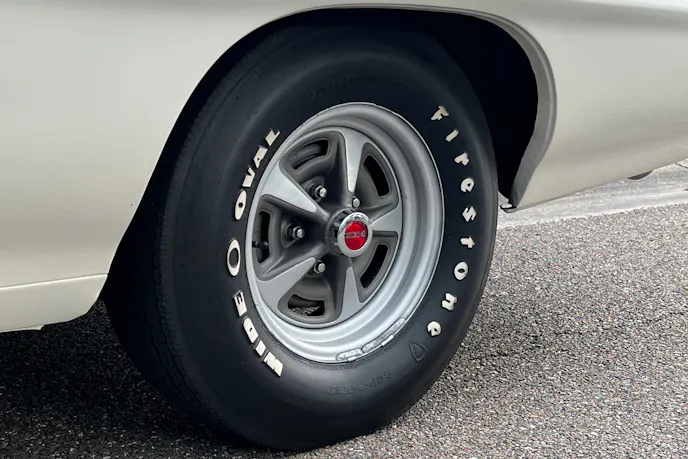
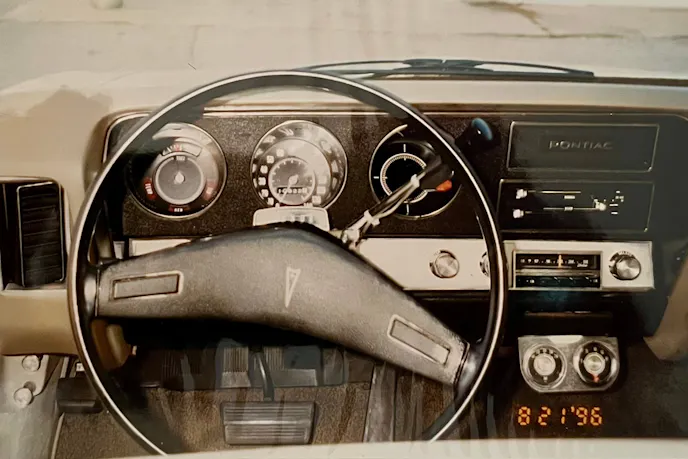
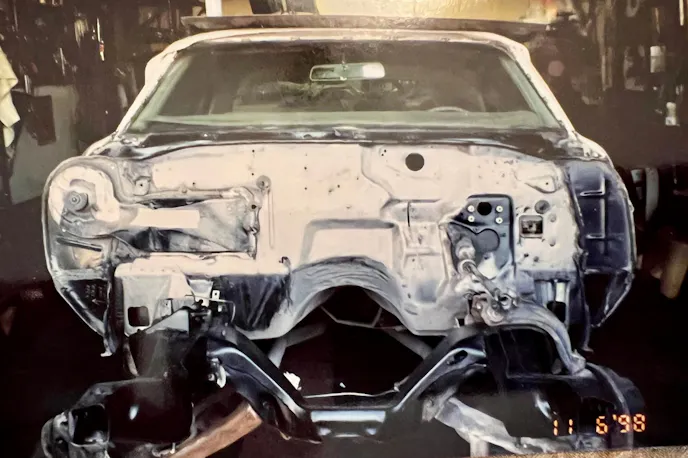
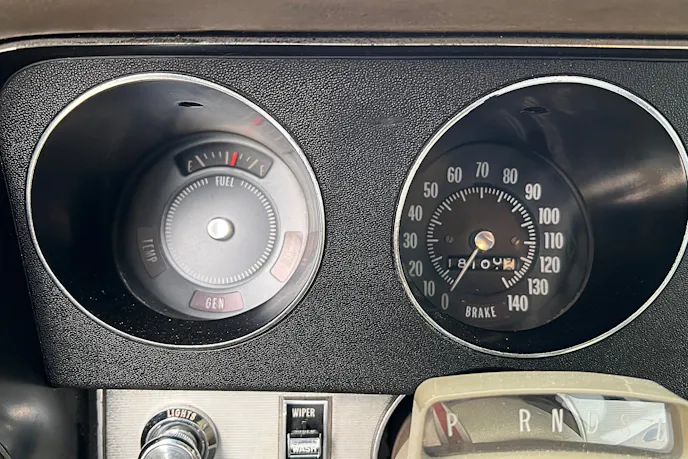
The entire car was resprayed the correct Cameo White at restoration time, and the Sandlewood interior was good enough that the T-37 door panels were able to be re-used. There’s a remote outside mirror on the driver’s side. The only addition Kevin brought to the car was the non-original (but optional) Formula steering wheel. It adds great functionality and comfort to the driver, but Kevin is having the original two-spoke, plain Jane wheel refinished, and at some point it may find its way back in the T-37. A 140-mph speedometer was standard with this engine. Warren did not order it with AM/FM radio, but it was delivered that way. According to Kevin, it never worked and Warren never had it repaired. Kevin also added a clock.
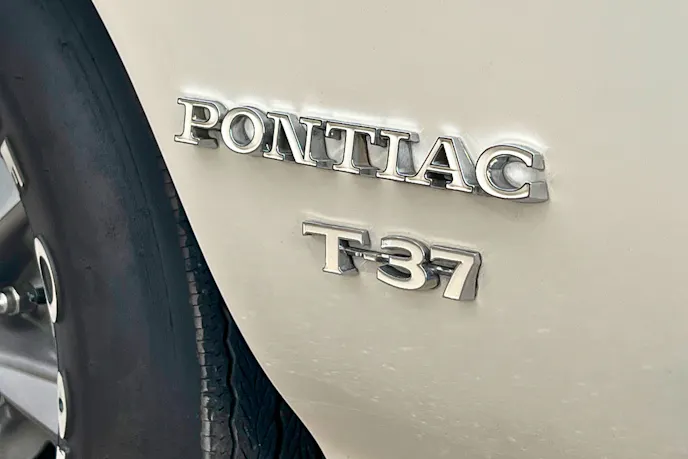
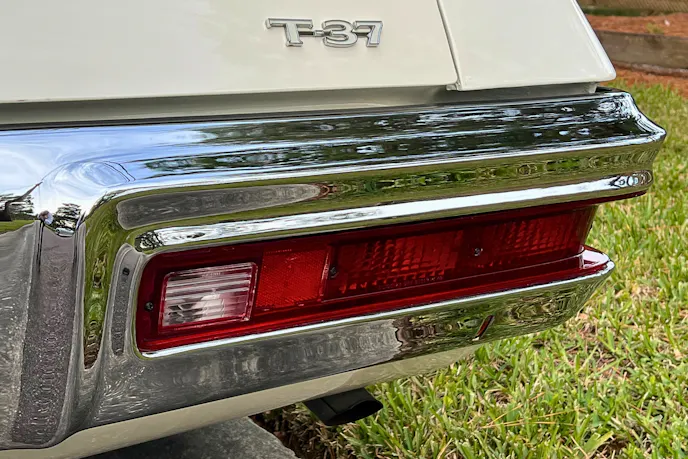
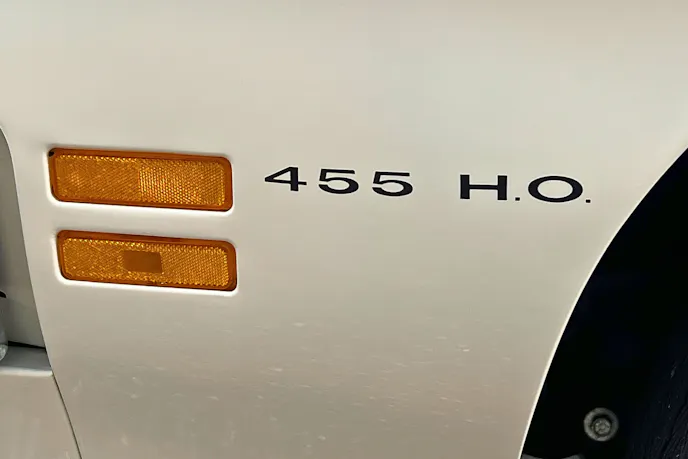
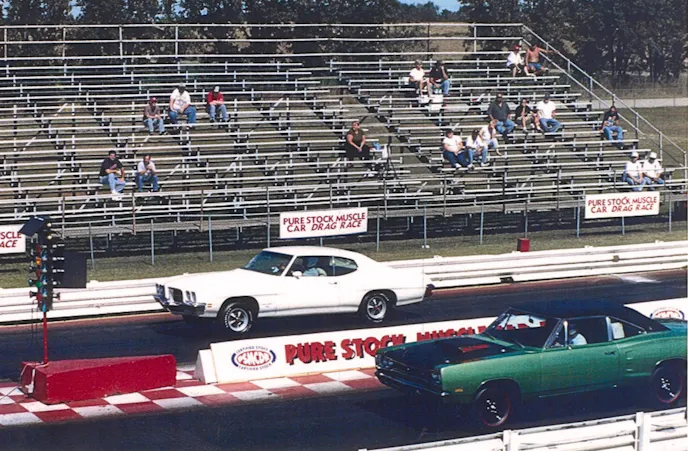
The car mostly sees light duty today, but it was raced at the Pure Stock Muscle Car Drags back in the day. It ran 13.10 at 104 on factory-style rubber. Kevin enjoys owning this piece of muscle car history and he loves taking it to shows where it can be enjoyed by others. He is always happy to share the history of his car and 455 H.O. T–37s in general.
You might also like
Classic Chevys Dominate TMI Trim Tour Winners In Nashville
The judges cited the build's creativity, craftsmanship, and innovative use of TMI products as key factors in earning the championship.