
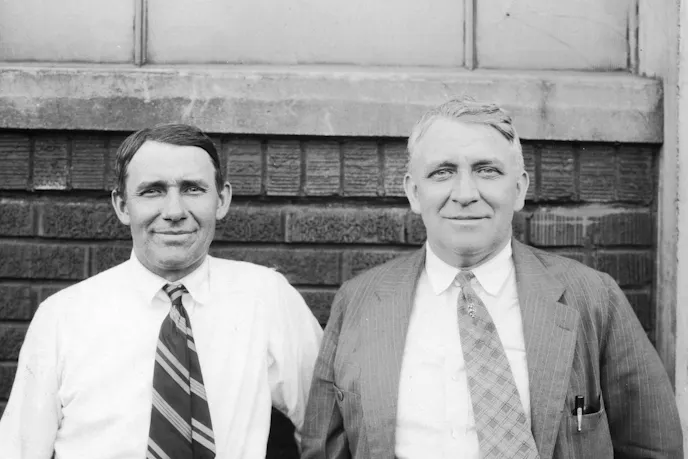
Fred Duesenberg, the man who was elected to the Indianapolis Motor Speedway Hall of Fame Museum, National Sprint Car Hall of Fame and Motorsports Hall of Fame, died as a result of a single car crash in a Duesenberg automobile of his own design, in 1932.
Throughout history there are incidents of inventors that have died as a result of their inventions or discoveries. Madam Curie, known for her discoveries and work in radiation, died as a result of radiation poisoning. The same was true of Jimi Heselden, owner of the Segway company, who died as a result of driving his own Segway over a cliff. William Nelson was working on behalf of the General Electric company in the later 1800’s on a new method of motorizing bicycles. He was killed at age 24 while testing one of the bicycles he had built.
So untimely deaths of inventors by their own products is not new. The irony of Fred Duesenburg’s death by his own creation is that the Duesenberg automobiles were renowned for their engineering. A Duesenberg was the first American automobile to win the Le Mans Grand Prix. Duesenbergs won the Indianapolis 500 races three times in the 1920’s, making the Duesenberg brothers the first three time winners of the race.
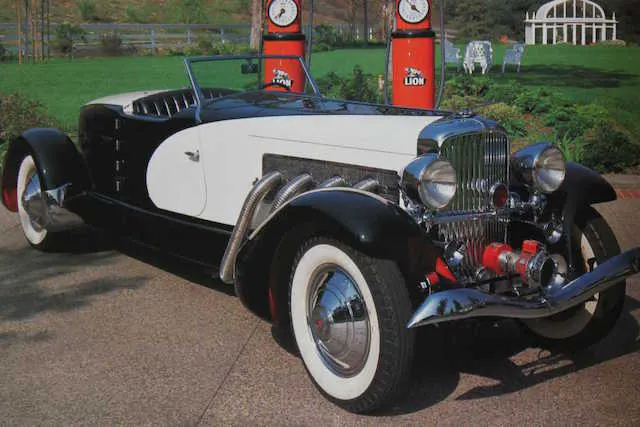
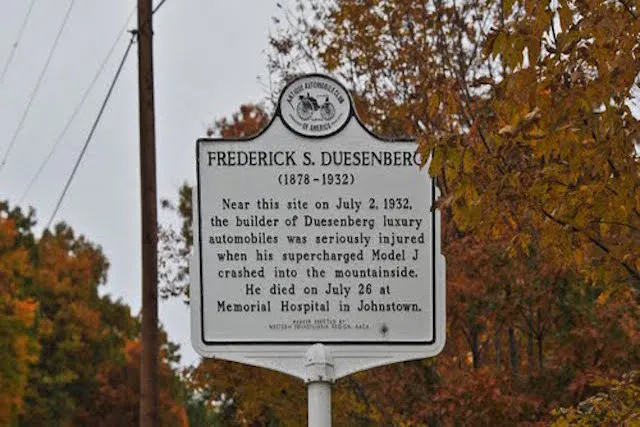
At a meeting of the Society of Automotive Engineers in 1931, Duesenberg predicted that speeds of 100 miles-per-hour would be common on highways. Testing this theory less than a year later, Duesenberg was driving his car at a high speed on the Lincoln Highway near Jennerstown, Pennsylvania, when the car overturned. He died 23 days later at age 55.
You might also like
Homebuilt 1967 Cougar: The Sign Of The Cat & Sign Of The Times
The homebuilt Cougar had been a drag car and there was a gaping hole in the hood to accommodate the car’s previous tunnel ram intake.