
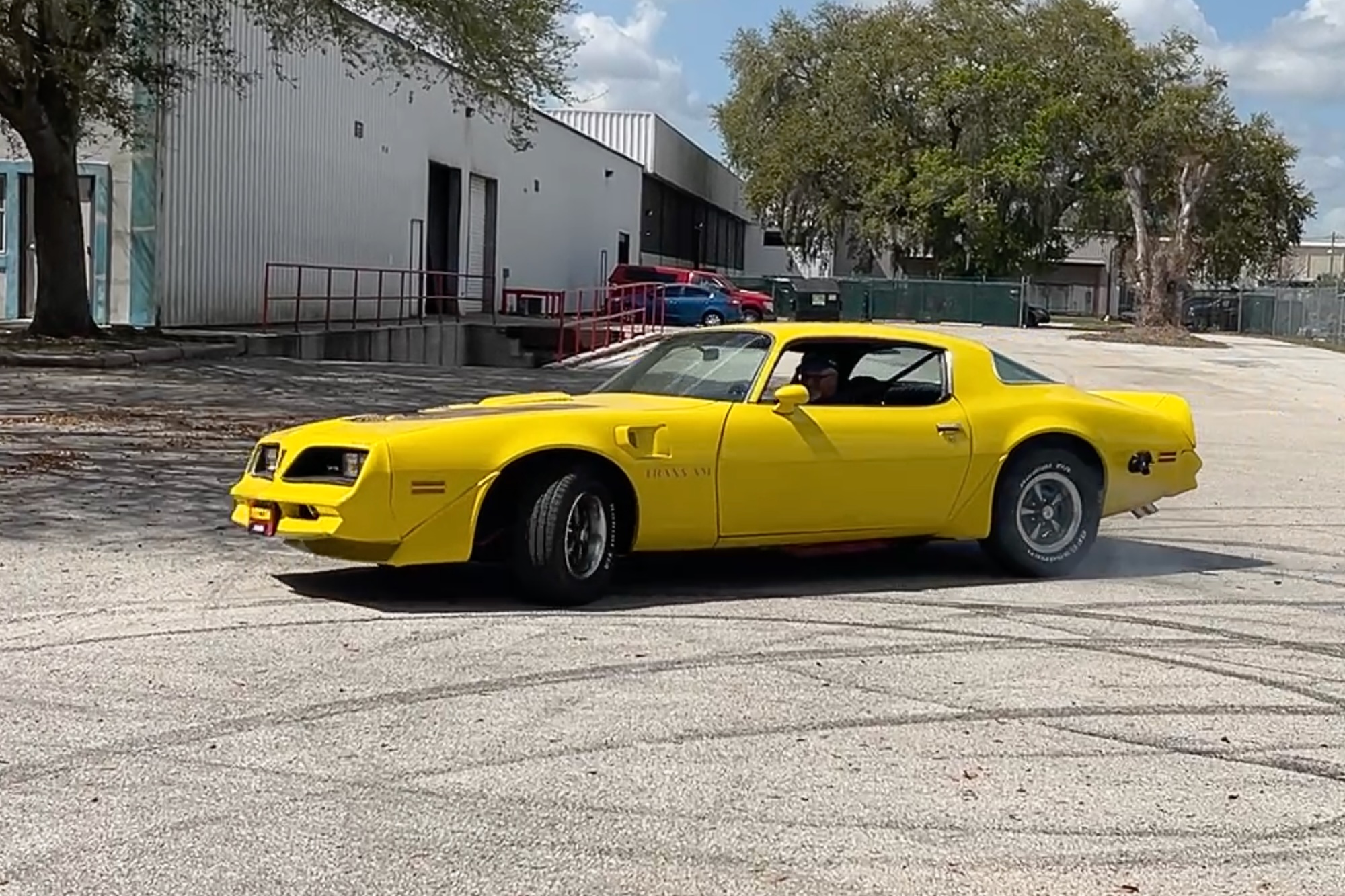
The term Watt’s Link scares and mystifies some people. There are those who think it is some exotic piece of suspension hardware that is difficult to install or meant only for the track. Others simply don’t know what a Watt’s Link is. The truth is there is nothing exotic about it, nor is it difficult to install — but it sure does work well. To prove that, we installed a BMR Watt’s Link on a 1977 Pontiac Trans Am with nothing but hand tools and a lift.
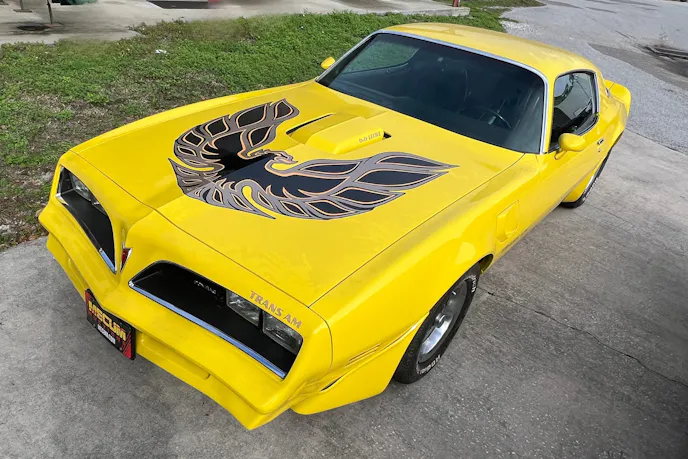
We spent a couple of days with the good folks at BMR Suspension in Seffner, Florida, to follow along as their tech installed the company’s full Watt’s Link suspension system on a ’77 Trans Am — including the misunderstood Watt’s link. We drove it in stock form and after the install for an evaluation. The only thing that remained the same was the tires that were on the car when BMR purchased it. BMR can hook you up with state-of-the-art suspension goodies, regardless of what you drive, from F-bodies to late-model muscle cars.
We gotta say: The only thing more fun than driving a vintage muscle machine is driving a modified one in an autocross or on a road course and posting a better time than all the modern sports and muscle cars. That’s what this suspension is designed to do and is what owner Allan Miller has planned for it. The beauty is, however, that you can add all this grip and lose none of the second-gen F-body’s streetability.
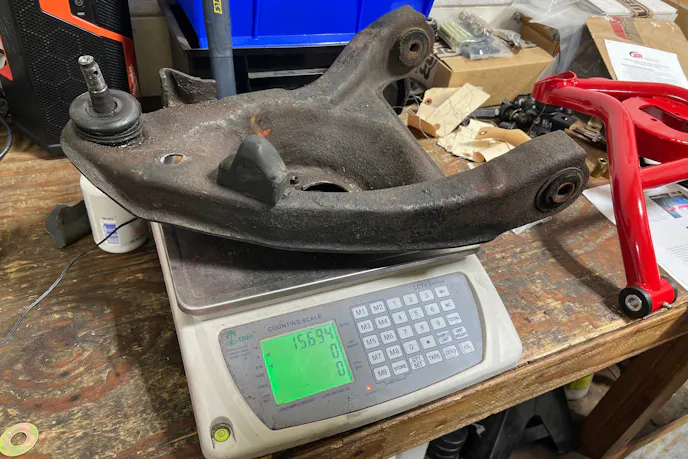
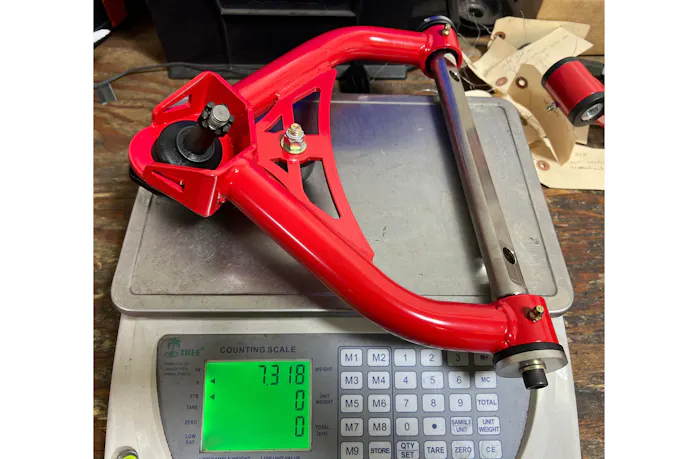
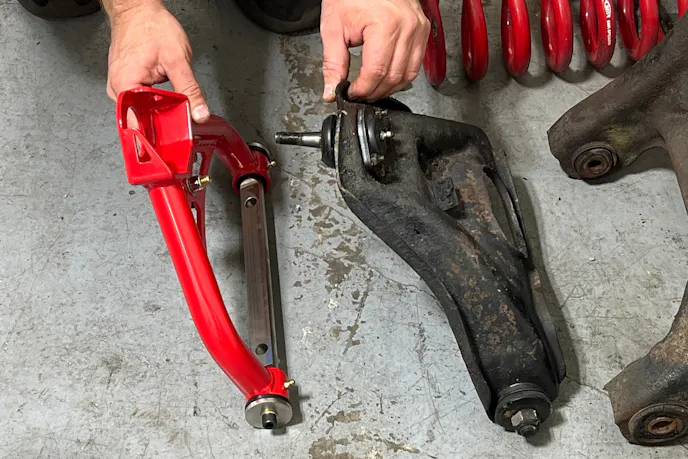
From Stock To Far Beyond That
Now, second-gen Trans Am Firebirds have always been renowned for their handling. This yellow one was no exception. It had that super-quick-ratio steering, it was flat in the corners and remarkably predictable, just like it was during the Malaise era when new. In a 1977 Car and Driver comparison test against the then-revived Z/28 Camaro, the T/A pulled .80g on the skidpad, which was a lot for back then. They said it was less prone to understeer than the Camaro.
Two years later, they had this to say about a WS6-equipped version: “Wrap a Trans Am body around the WS6 suspension and brake pieces, and you discover maybe the best-handling production car ever from an American manufacturer. That’s what the driver can feel all the time and what onlookers can imagine if the driver has any idea at all what the car is for and how to use it.”
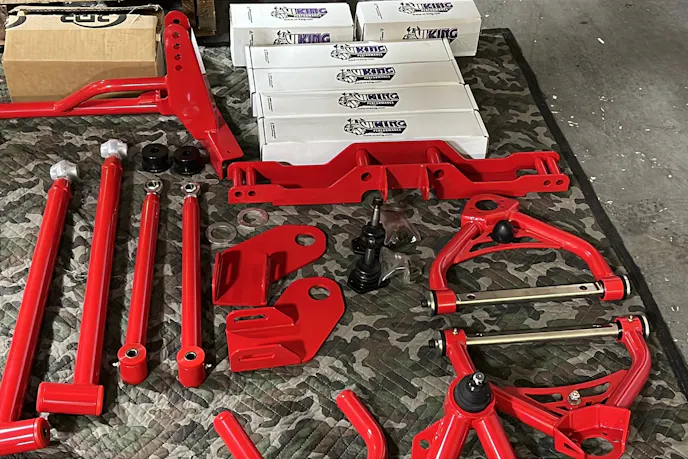
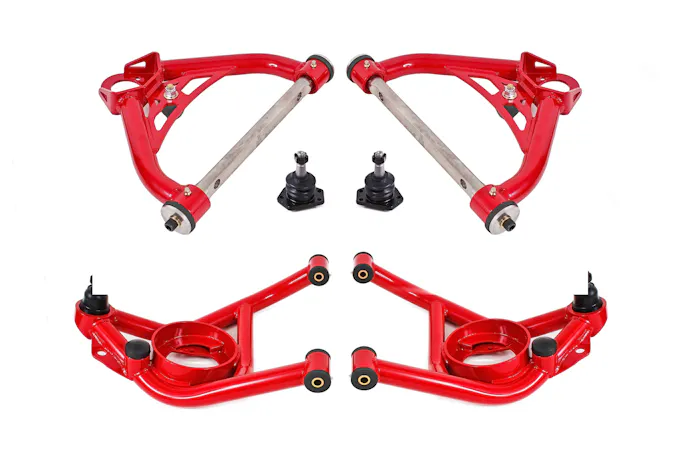
So, what is a Watt’s Link (or as it is called in some circles, “Watt Linkage”)? A Watt’s Link is a mechanical linkage used on solid-axle vehicles to prevent sideways movement of the rear axle during suspension travel. It uses two horizontal rods and a central pivot, keeping the differential perfectly centered under the car for predictable handling.
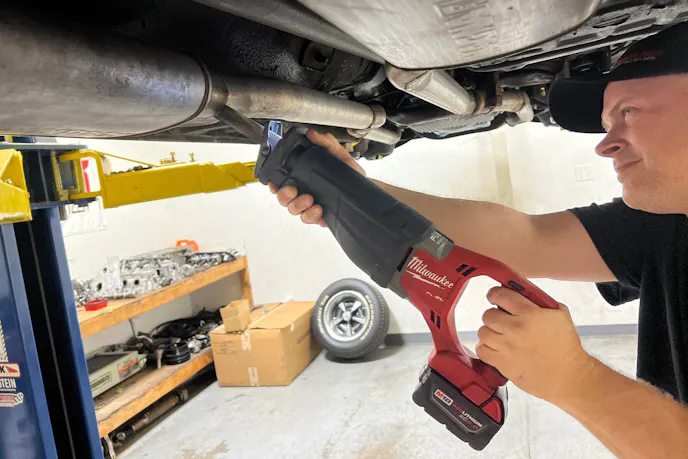
“What it’s going to do is center up the rear axle. It’s going to help a lot with reducing wheel hop and minimizing that axle wrap you’re going to get,” said to Connor Capar, BMR’s Marketing Technician. “This pro touring build, we really want to show it off because it’s the next step up. For those that want to take their car to the track occasionally, this is what you’re going to want to do. It’s very capable on the street and you really get to enjoy the full benefit of driving around in a classic vehicle and be able to enjoy the ride, not just have to endure every bump and crack in the road.”
With the BMR setup, there is no welding required. The entire system it sells, from the torque arm, springs, controls, etc., bolts right in. That is a huge advantage. And we can tell you after driving it, the entire setup is neither harsh nor full of rattles, squeaks, or other annoyances that embarrass you when you take your friends or Sally Field out for a spin to show it off. It is equally at home on the street, autocross or road course.
Full-On Fun For The Road
No doubt about it, the second-gen Trans Am was wildly popular when new and has found new life thanks to the basic goodness of its suspension and timeless style. It’s always been one of the great looking cars on the road and those who grew up on “Smokey & The Bandit” have the cash now to build an even better version of “Ban One.” BMR Suspension has what you need to make any second-gen F-body handle better than a modern ponycar. What you do under the hood is, well, that’s your business.
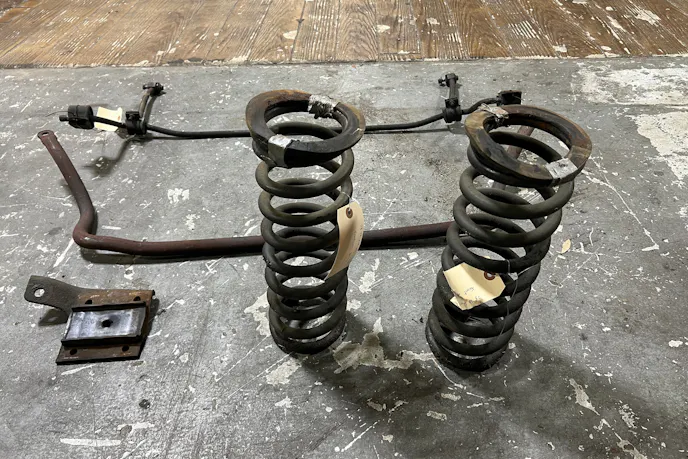
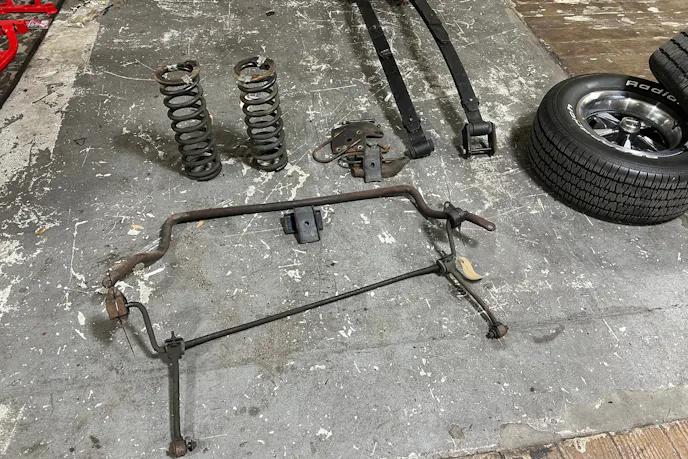
To use the Watt’s Link, you’ll need BMR’s torque arm set up. The factory leaf spring suspension does very little to control axle movement in any direction. Axle wrap due to poor axle control will negatively affect performance and can cause serious damage to suspension and driveline components, according to BMR.
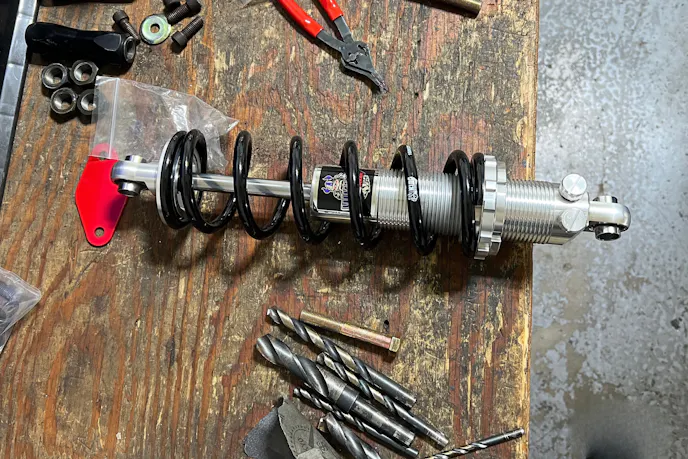
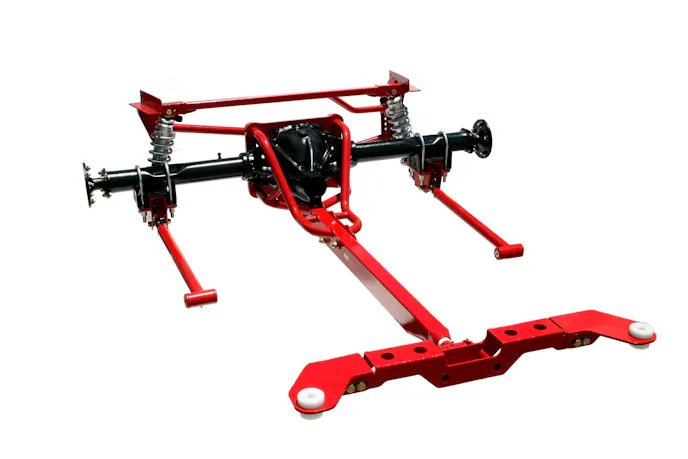
BMR’s torque arm suspension conversion eliminates the rear leaf springs, replacing the antiquated system with a modern torque arm three-link suspension system. The system gives you total control over axle movement, effectively eliminating axle wrap.
The versatile system gives you an incredible amount of adjustability that was never available from the factory, all in a package designed and engineered to be 100 percent bolt-on with zero fabrication, cutting, or welding. The heavy-duty design eliminated torque arm deflection, allowing power to transfer more efficiently to the tires. BMR Suspension designed the Torque Arm Suspensions for street performance, pro touring, and handling applications.
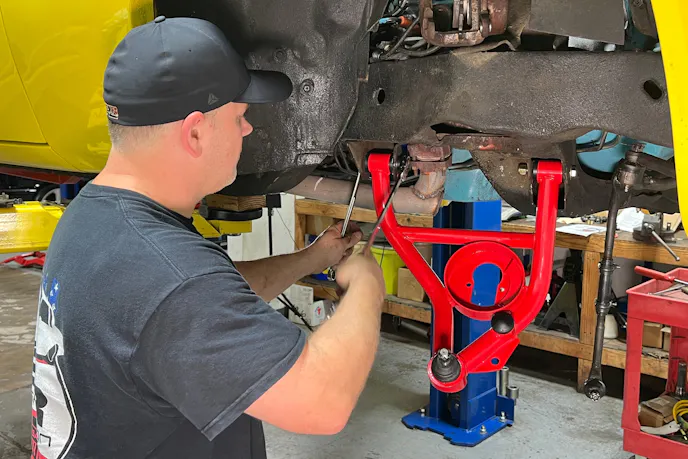
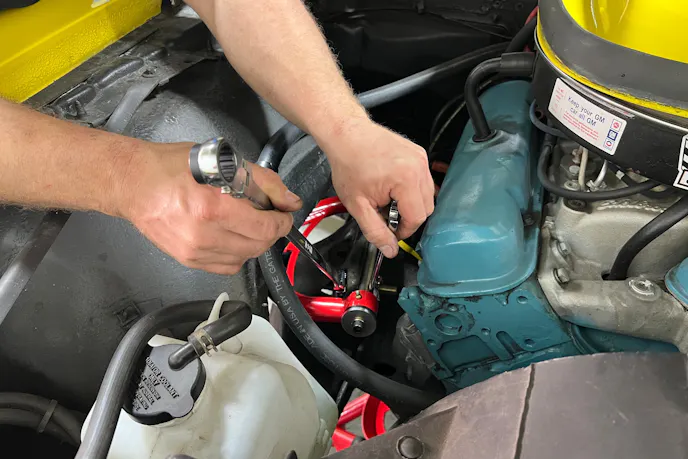
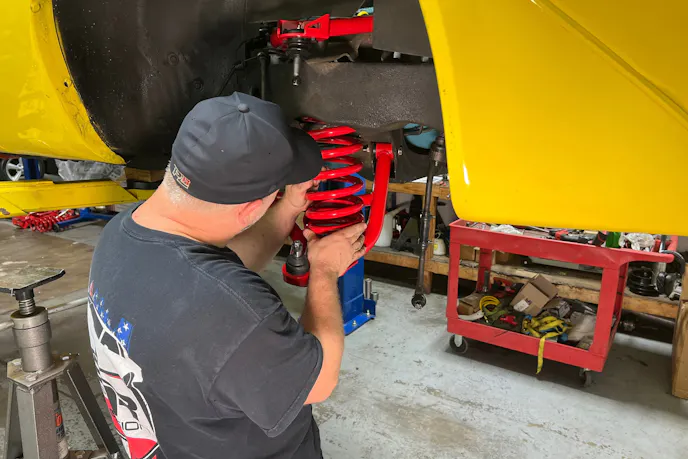
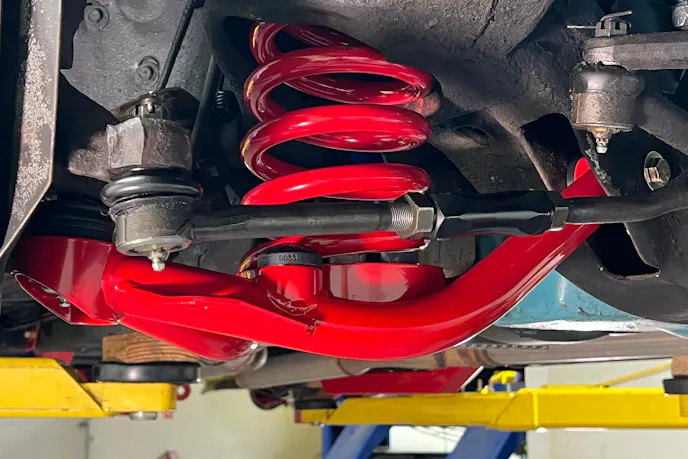
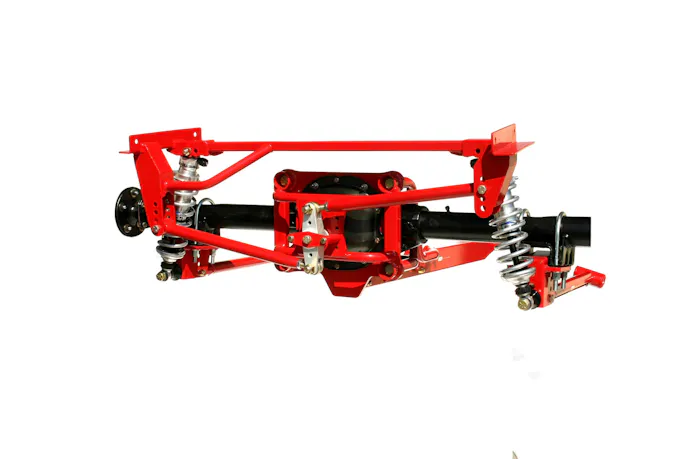
BMR’s Torque Arm Suspension system is based around the company’s fabricated torque arm. The boxed steel torque arm uses round-tube sections to form a cage around the differential housing. This assembly connects to a CNC-laser cut steel plate and rear cage that acts as the mount for the Watts link. The torque arm crossmember mounts to the car between the body and the rear mount of the front subframe.
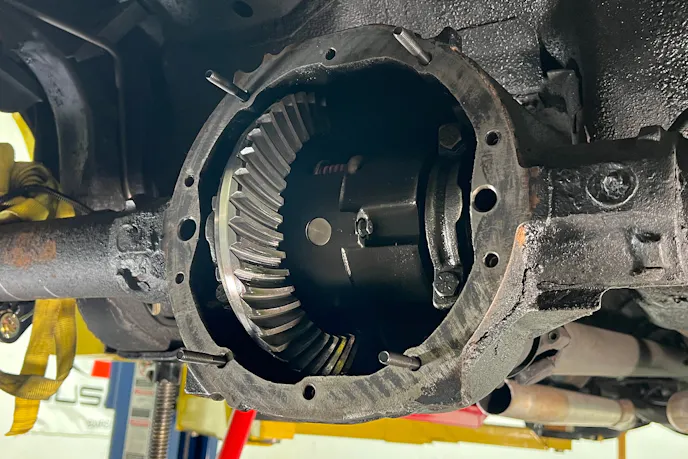
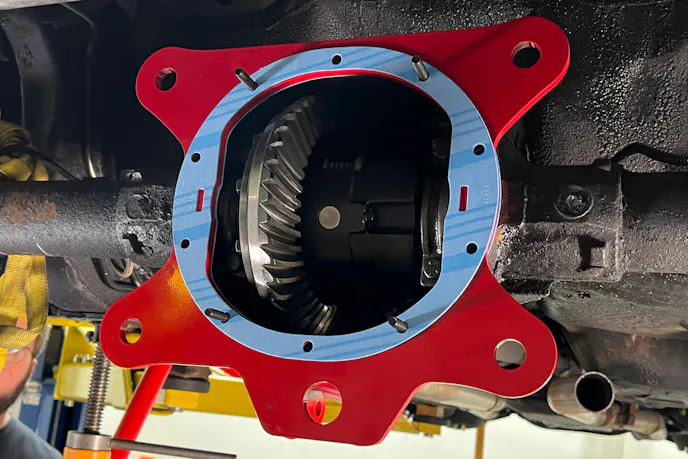
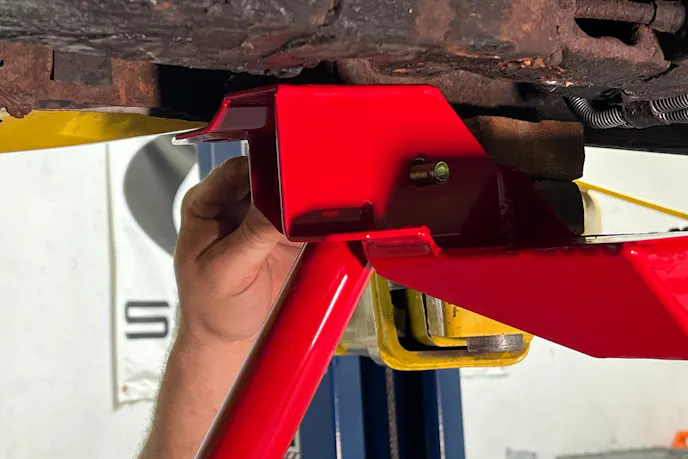
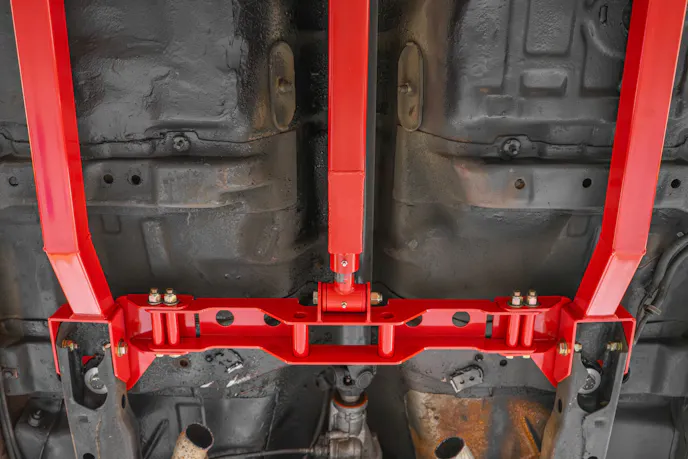
The kit includes Delrin bushings to replace the subframe bushings. These bushings are designed to take the added load applied by the torque arm. The cross member utilizes a Delrin slider bushing for the torque arm mount. This ensures long life and quiet, and trouble free operation.
The Delrin slider bushing also allows for plenty of articulation for great handling. “BMR Suspension’s Torque Arm Suspension is all about control, and there is no better way to control lateral axle movement than with a Watts link. BMR chose not to compromise when designing an axle-locating device for the torque arm conversion,” said Connor.
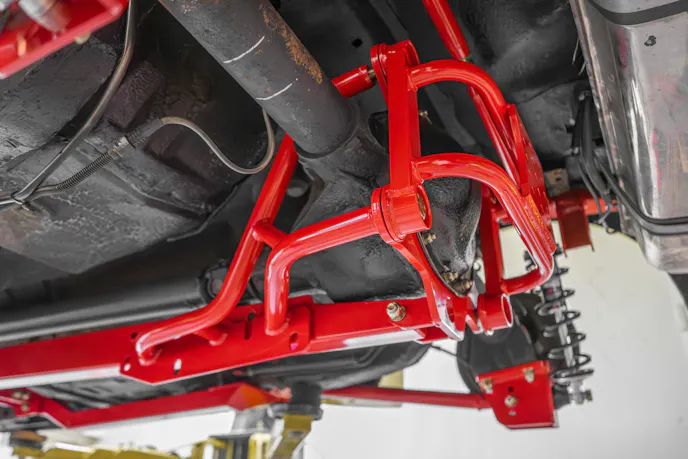
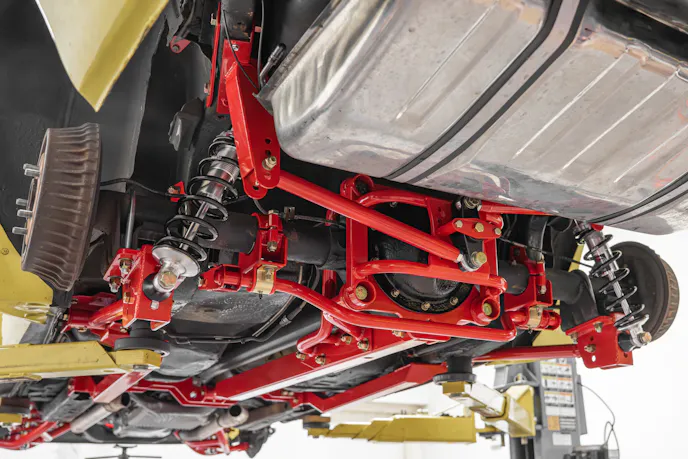
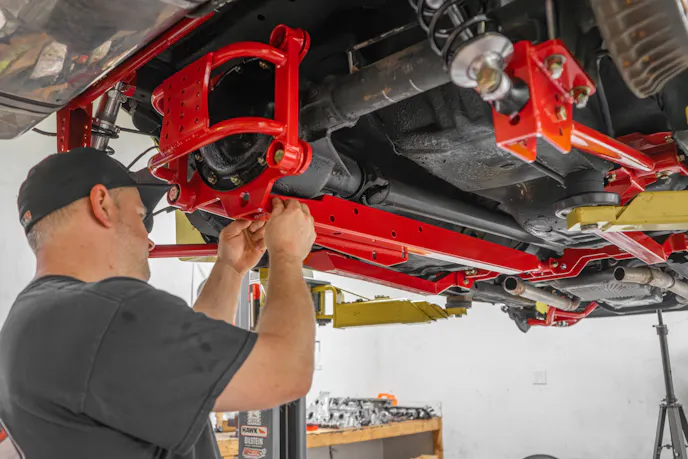
For those who question why it didn’t design a Panhard bar instead, Connor noted it would have been significantly easier to go that route, but a Watt’s link gives you precise side-to-side axle positioning. This ensures the axle is perfectly centered under the car. The Watts link works by connecting the chassis to the differential with two equal length links and a center pivot.
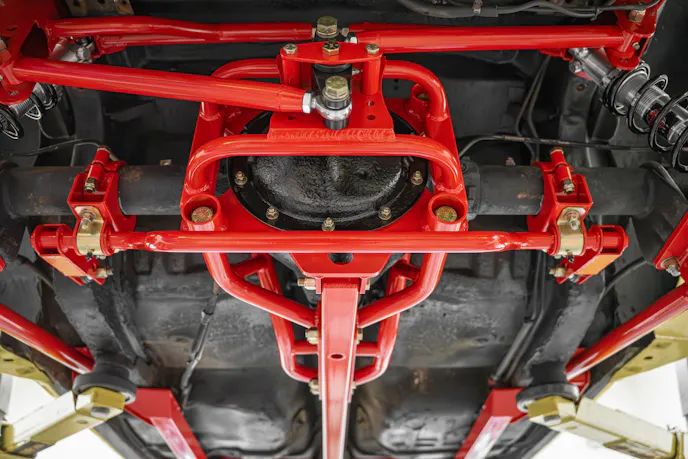
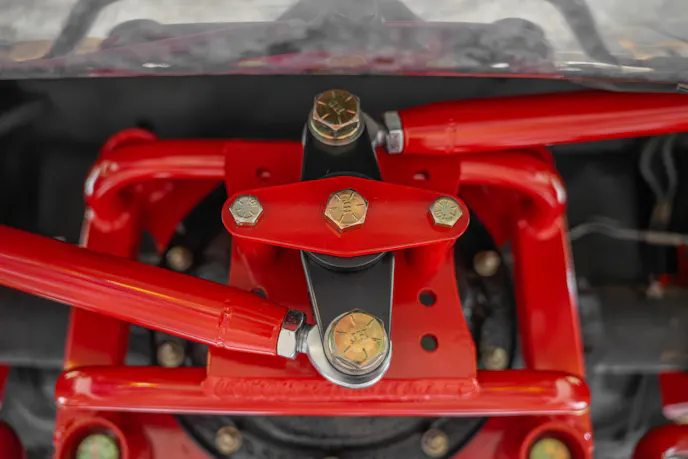
As the rearend housing goes up and down through its normal range of motion, the pivot rotates, keeping the rearend perfectly centered. The Watts link pivot mounts to the rearend in one of four positions for rear roll center adjustment, which further increases the suspension’s adjustability. BMR’s Watts link pivot is machined from 6061 billet aluminum and utilizes greasable, internally fluted Delrin bushings for a long life and trouble-free operation. Additionally, the Watts link pivot is supported in a double-shear fashion, unlike other options in the market.
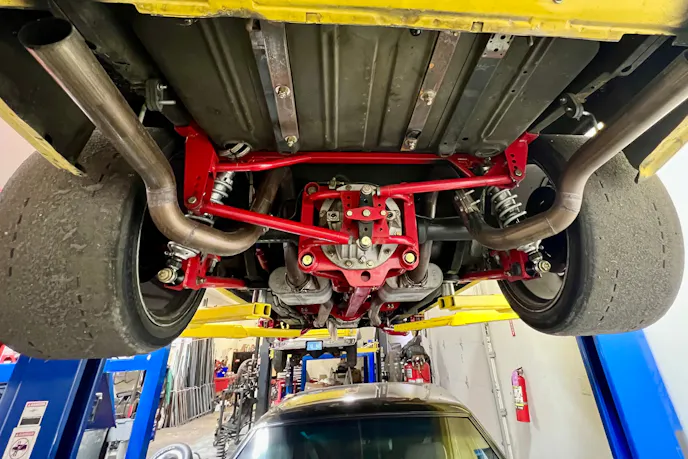
Our driving experience after the install was revelatory. We were promised good things, but in the back of our mind, we thought we might get a harsh ride, perhaps a rattle or two, along with improved performance. Well, we got the improved performance — like a whole ’nother level of it — but the ride actually seemed smoother than stock. The big trade off in the ’70s was incredible grip usually came with a super-stiff, often jouncy ride (like on second-get F-bodies). There were zeroes rattles or things that went bump in the rear. This was race track-level handling that you could enjoy on the street. Color us impressed.
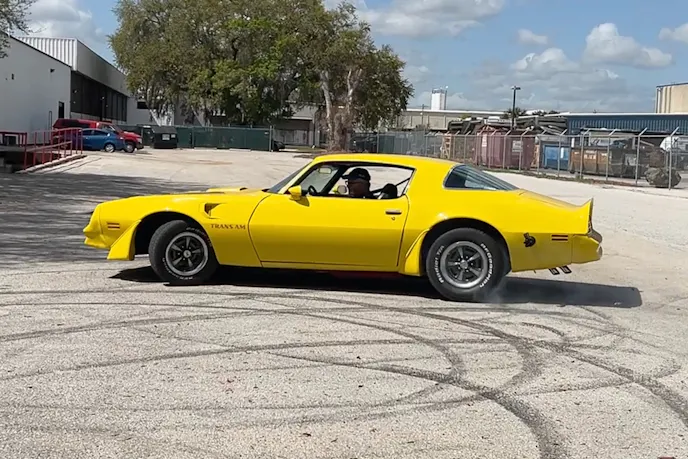
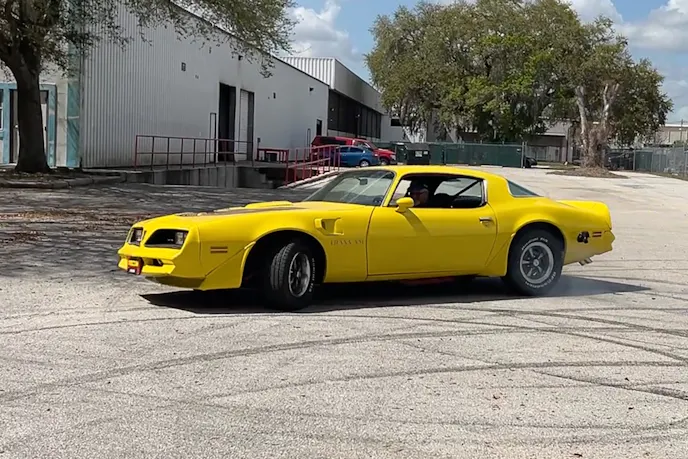
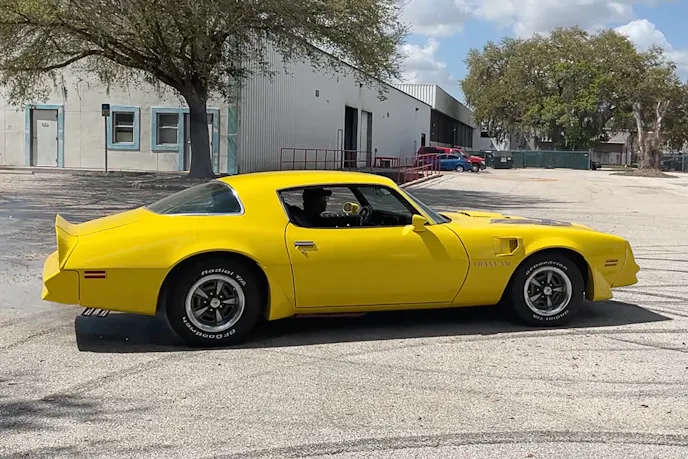
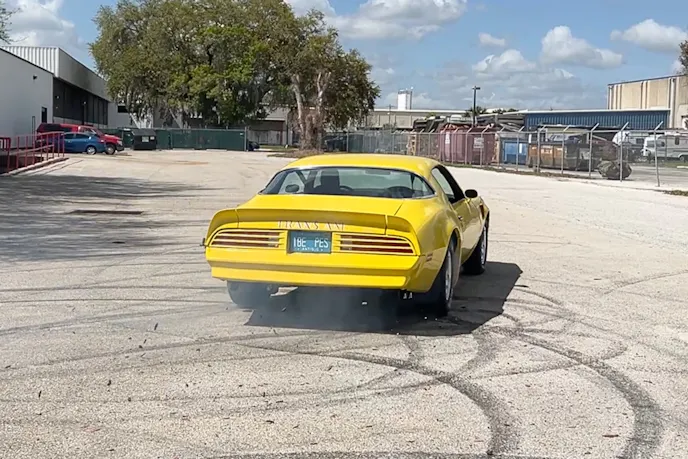
Now, where is that cute girl in the wedding dress?
You might also like
1969 Chevy C10: Blacked Out, Bagged And Built As A Girl Truck
The factory wing windows got the boot in favor of one-piece door glass. Inside is where the mood shifts to comfort, tech and a hint of flash.