
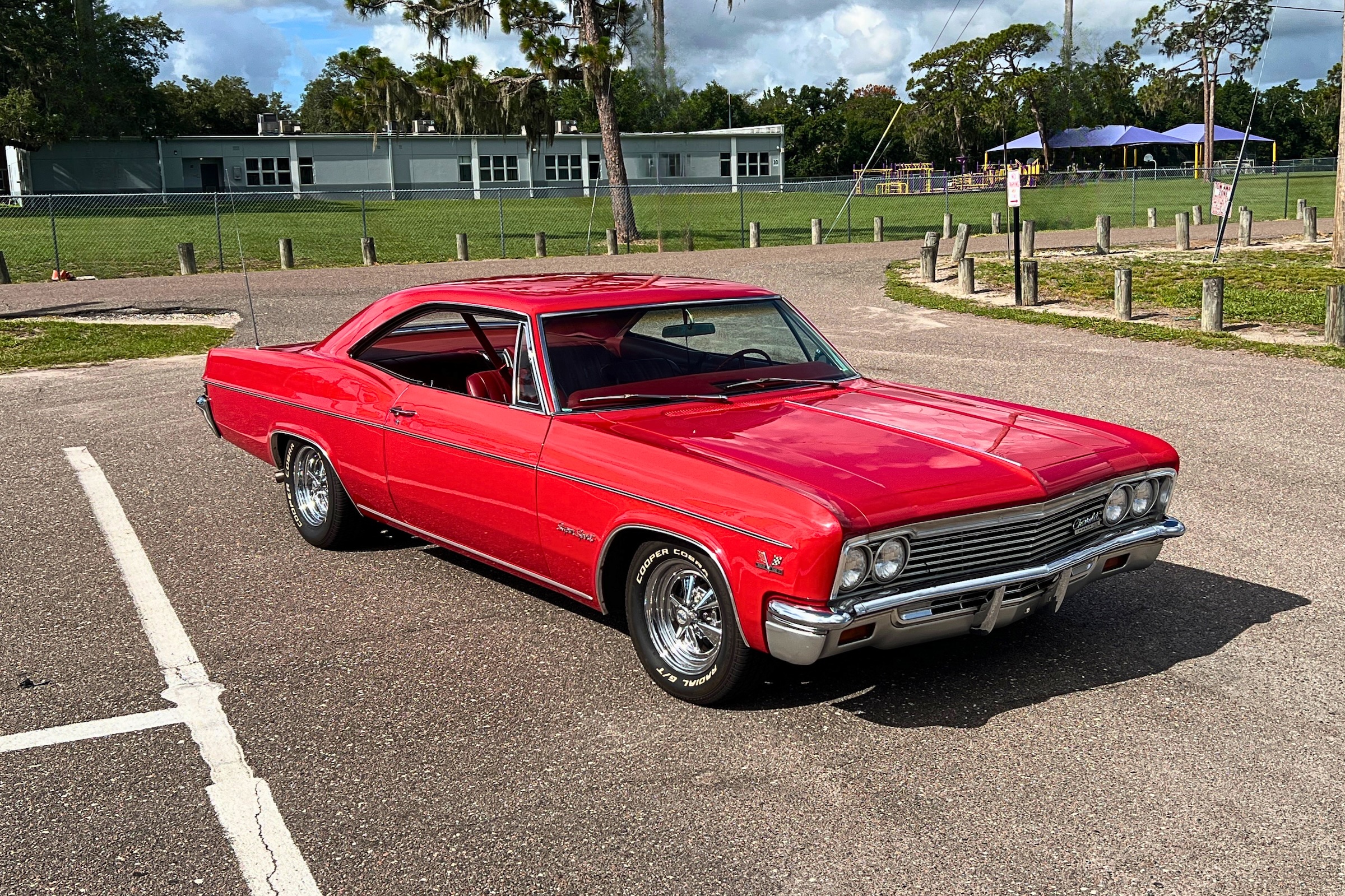
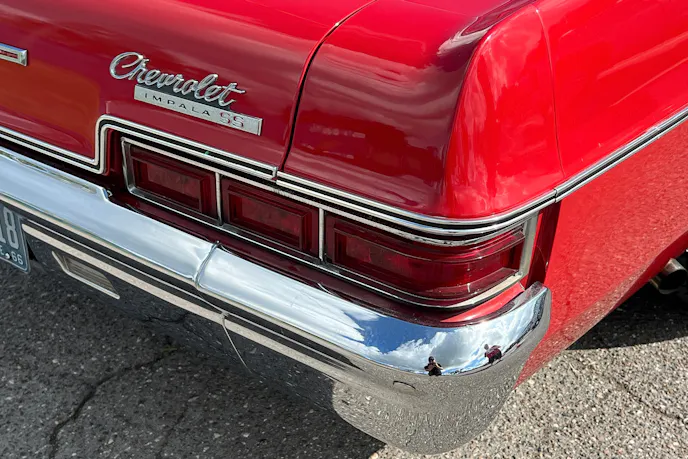
When you stand almost seven feet tall, you’re not likely to be tooling around in a Fiat 500. Wayne Smith, the 6-foot, 9-inch owner of this Regal Red ’66 Chevrolet Impala SS, has owned full-size cars since he got his license. The first was a ‘73 Impala coupe with a 454; he currently owns another ‘73 and a ‘96 Impala he’s building into a drag-and-drive-car.
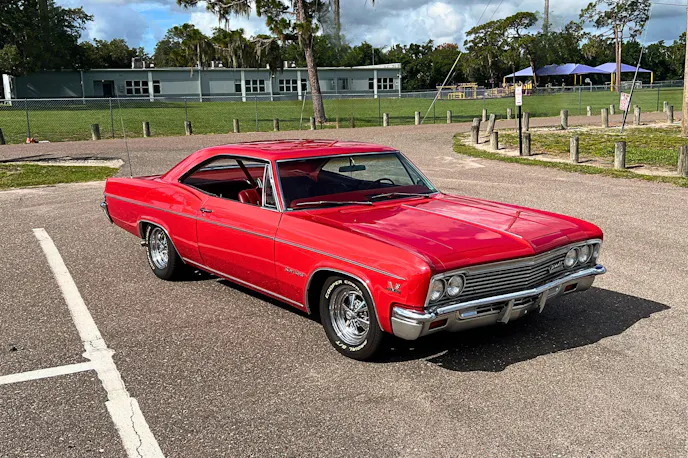
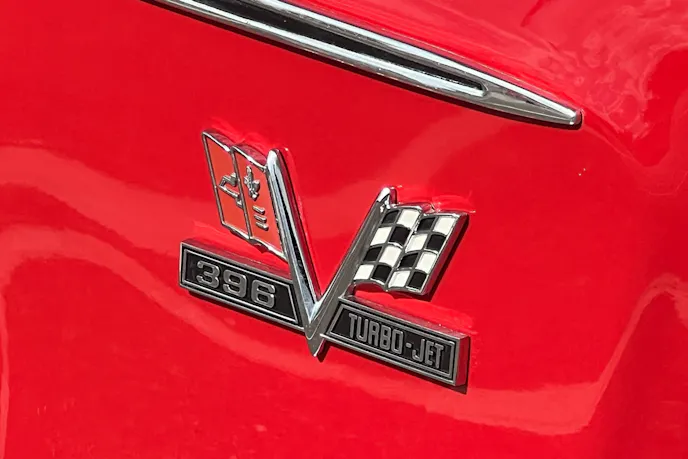
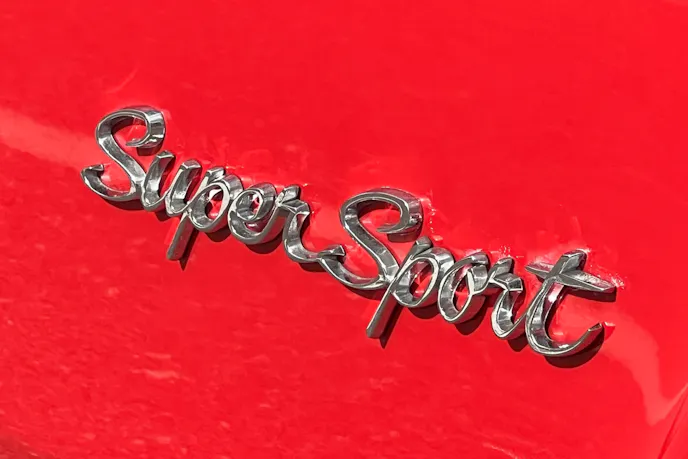
The big Chevys were new from the ground up in 1965, with a 119-inch wheelbase, 3.1-inch wider rear track, and completely new perimeter frame. True to the standard of the day, it was lower, wider and longer than the ’64. The only thing smaller was the largest available engine. Halfway through the model year, the 409 W-engine was replaced by the all-new 396 big-block. The Mark IV Rat was thoroughly modern and powerful, and had virtually unlimited potential to make even more ponies. Then came the 1966 Impala SS and things got even better.
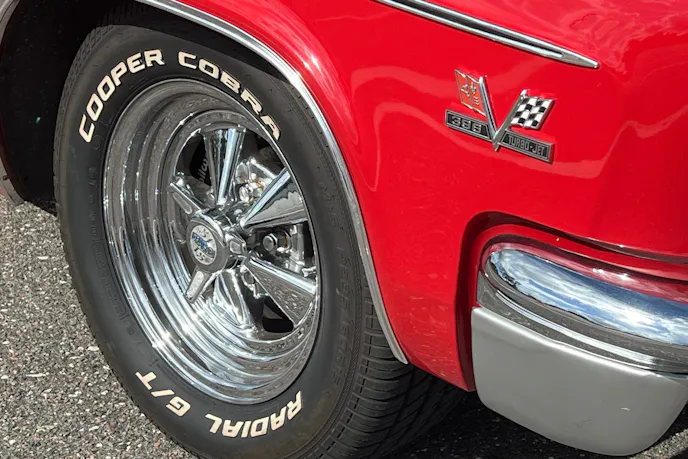
What Made These Chevys So Desirable?
The ’66 was a long boat when it was new, the size of a full-size SUV today, but the top engine option was now the solid-lifter equipped L72 427 with 425 horsepower. The Impala SS was legendary then for its spacious interior; in fact, the ‘65-66 had four inches more shoulder and hip room than the prior model. Even with its land-yacht proportions, however, Wayne still had to have the seat tracks moved back three inches so he could fit more comfortably.
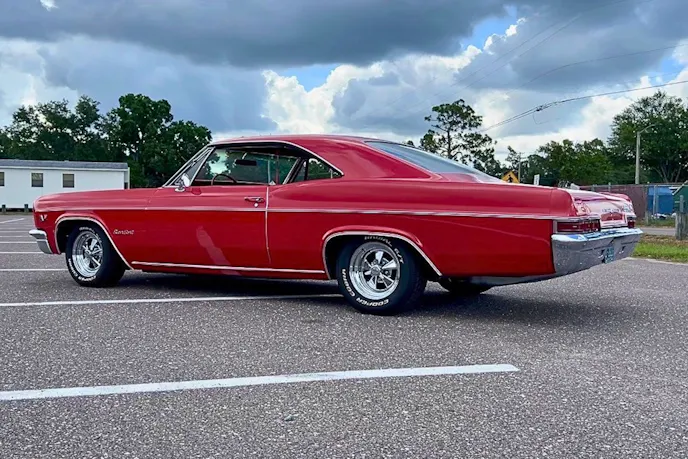
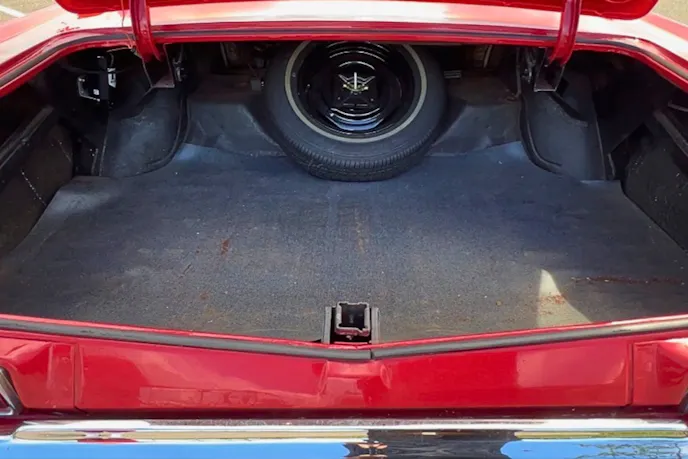
He bought the car nine years ago because he always wanted a car built in the year he was born. Well, not only did he make this wish come true, but the original 396 was actually built in Tonawanda, New York, on the very day he was born, according to the casting numbers.
“This car was meant for me, I guess,” said Wayne.
The Impala (and beginning in ‘65, the Caprice) was a blue collar Cadillac, a big, comfy family car for the working man.
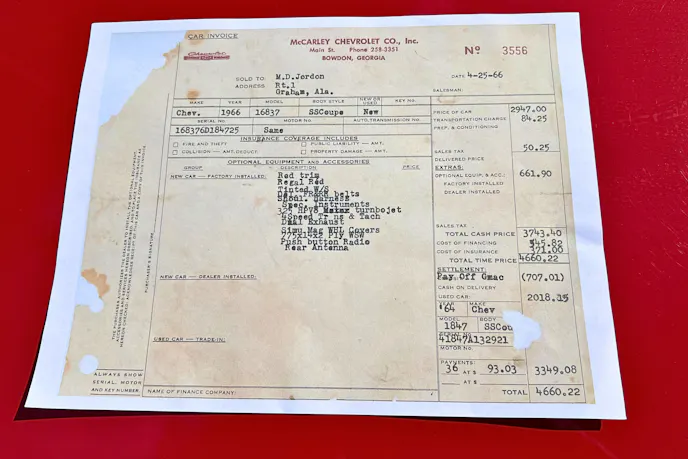
Wayne’s ’66 Impala SS is a documented 396/325-horse B-body with the M-20 wide-ratio four-speed at birth. But the one option that was installed on the assembly line back in ‘66 that makes his Impala SS truly unusual? It is one-of-357 full-size Chevys that year to get RPO A39: Shoulder harnesses for front seat passengers. How rare is that? Considering Chevy built almost 1.5 million full-size cars that year, it is practically an accident.
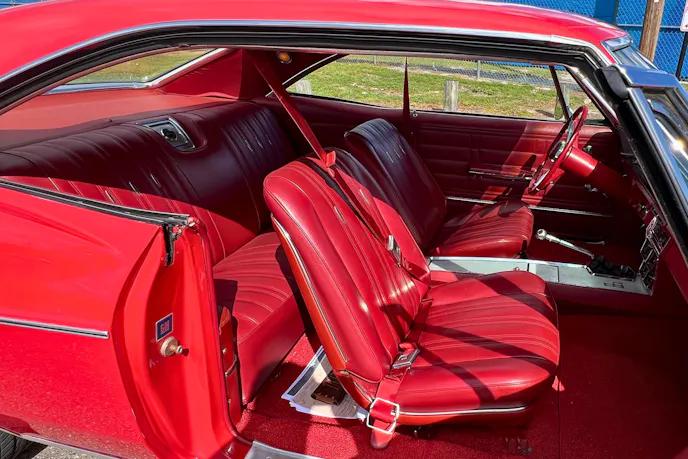
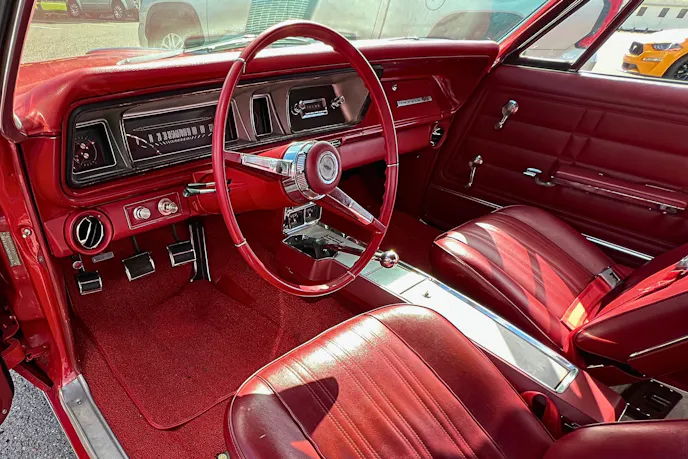
What is even stranger is the car got shoulder harnesses, but not power steering. A big-block/four-speed car built for safety, not comfort? Wayne did have the seat belts and harnesses redone after buying the car, as they were not in great shape, but they are listed on the build sheet and factory invoice.
”I put power steering in it. This was a bear to try to park without power steering,” Wayne relates. ”It’s got air conditioning [from Vintage Air]. Anybody who lives in Florida knows you have to have air conditioning, so I’m glad I got that in. I just enjoy taking it out on weekends and just have fun.”
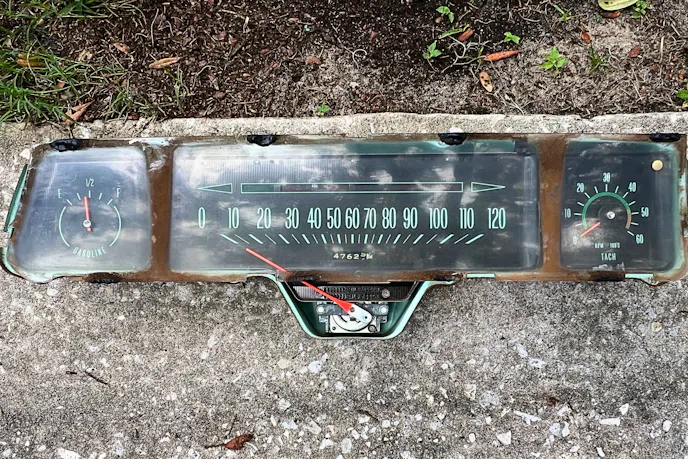
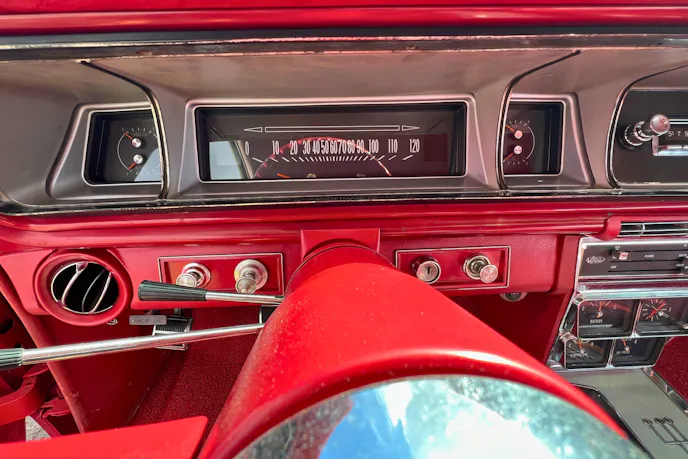
The instrument panel now has a trick, almost factory-appearing Dakota Digital gauge cluster, with lots of functions it didn’t have during the Johnson administration. Wayne still has the original cluster and because it was an M-20 car, the tach was right in the dash next to the speedometer.
The owner added certain options to make it his own, such as the factory tilt-telescopic steering wheel (a hard find) and the Chevrolet air conditioning vents, dash knee pads for a four-speed car, etc. (equally difficult).
Powering The Beast
Wayne has both the original engine and trans, but the Rat had some cracks around the header bolts, hence he added a custom-built 496 that makes 635 dyno-proven horsepower. It was built using a Gen V 454 block. Gearhead Performance in Clearwater, Florida, assembled the beast. It machined and ported the aluminum cylinder heads, added an Edelbrock Performer intake, and topped it with a Holley Sniper EFI set up. Inside is a Howards hydraulic roller camshaft.
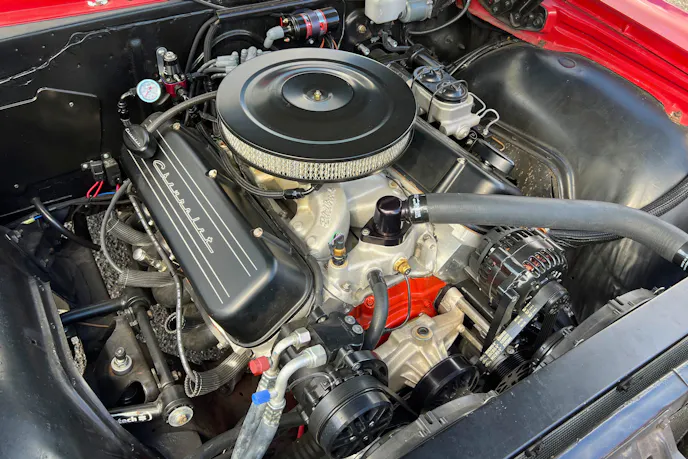
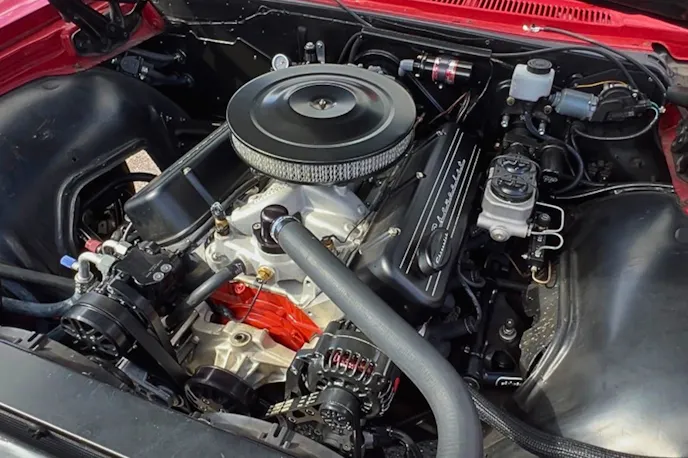
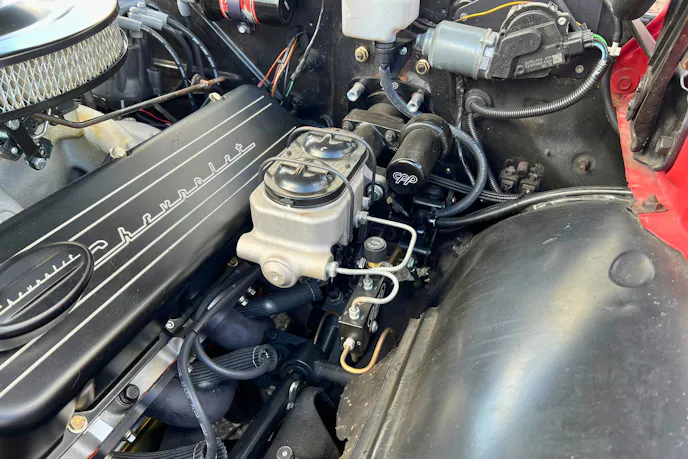
Behind it sits a modern TREMEC TKX five-speed manual. In the 12-bolt is a set of 3.73 gears in lieu of the original open rear with 3.36s.
All that power is nothing without control, though. To that end, Wayne installed a full RideTech suspension system, front and rear. The springs lower the car just enough, while tubular control arms really aid control. The car still maintains that smooth ride Impalas were famous for, while handling is turned up 10 notches.
Cockpit For A Blue Collar King
The Impala (and beginning in ‘65, the Caprice) was a blue collar Cadillac, a big, comfy family car for the working man. It was the perfect vehicle in the GM hierarchy to persuade you to step up to a Pontiac or an Oldsmobile the next time you have to purchase a vehicle. But in no way were you settling. The cockpit was roomy, with materials that were a higher grade than offered by its low-priced competition. It was the kind of car anyone would be proud to own, without any of the hard edges or mouse fur found in GM offerings starting in the 1980s.
There is a reason Chevrolet had 33 percent market share back in the early to mid-1960s. Cars like the Impala were desirable, even for those on a budget. Heck, people who could afford fancier cars stuck with their new Chevys, year after year, because they were not only virtuous, but stylish and exciting.
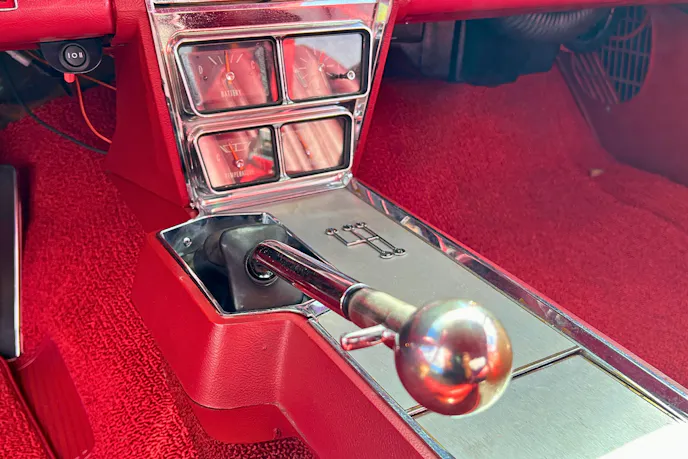
Chasing after a tilt-telescoping steering column was not just a whim for Wayne. Yes, it greatly enhances the driving experience, but at 6-9, it offers the ability to tailor a perfect driving position for his lanky frame.
Wayne Smith’s Impala is still stylish and exciting, even 60s years after it rolled off the assembly. He’s made it his own —improved it quite a bit — without losing any of its original appeal.
You might also like
Governor Newsom Has Leno's Law Signed To Protect Classic Cars
Governor Newsom officially had Leno's Law signed in Burbank. The statute exempts qualifying collector cars from biennial smog tests.