
Chevrolet’s Old Body Style (OBS) trucks marked a major step forward when they hit the scene in the late 1980s. Compared to the Squarebody trucks they replaced, the 1988-1998 C/K platform delivered a more refined driving experience, improved ergonomics, and a noticeably upgraded interior. But even with these advancements, one thing GM didn’t fully address was interior heat and noise.
Spend any time behind the wheel of an OBS truck, and it becomes pretty clear. Road noise, exhaust drone, and heat soak from the firewall and transmission tunnel all make their way into the cab. The trucks may have evolved, but in many ways, their interiors still act like tin cans.
That’s where Design Engineering Inc. (DEI) comes in.
”The products used today are so technologically advanced compared to the old jute and carpet padding type products,” explains Steve Garrett, Marketing Director at DEI. ”With most cabs on OBS trucks being literally a tin can, the right materials to control the noise, vibration, and heat soaking into the interiors can turn the cabin into a luxury car feel.”
We’ve always been impressed with DEI’s product line. We recently installed its Adapt-A-Shield on the fuel line of a stroker big-block ’70 ’Cuda in order to protect it and reduce the heat near it. Its products have been on many Street Machine Magazine projects for years.
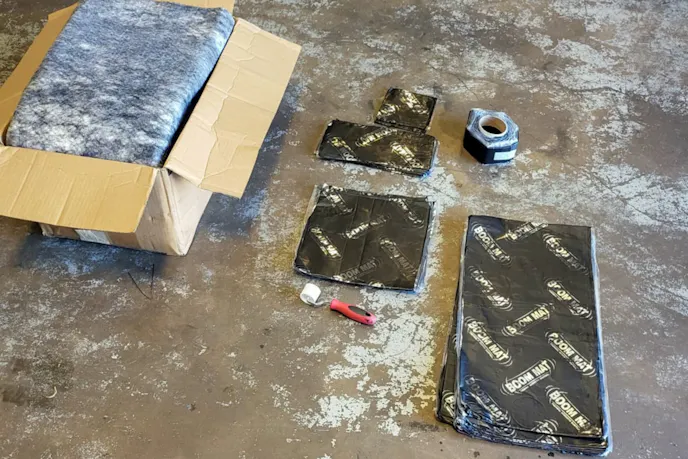
For this install, we outfitted our 454SS project with DEI’s 1988-1998 Chevy/GMC Regular Cab Interior Damping Kit, along with the company’s roof damping kit and an extended cab roof insulation kit that we trimmed down to fit the single cab. The goal was simple: reduce vibration, block heat, and make the truck far more livable.
A Purpose-Built Approach To Noise And Heat
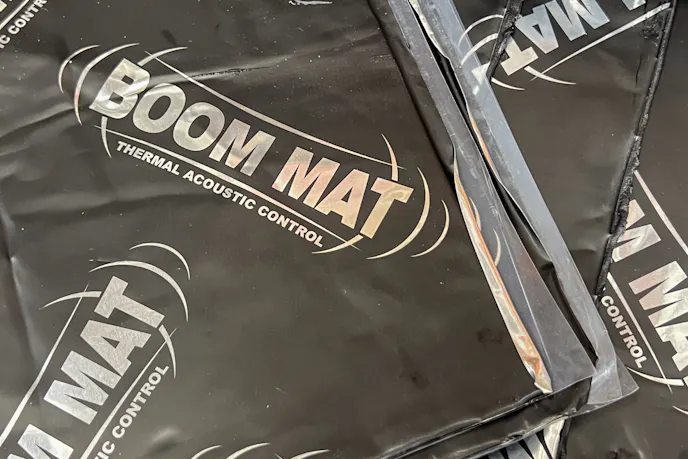
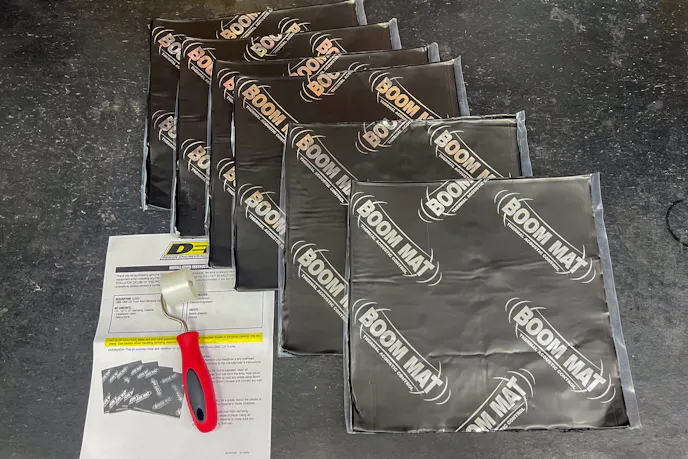
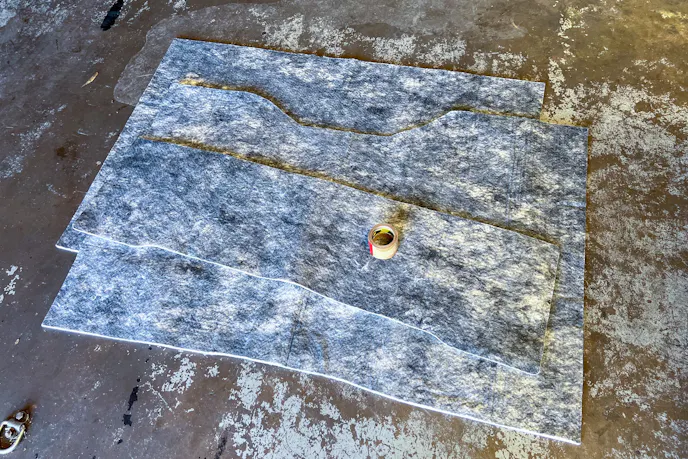
DEI’s kits take the guesswork out of the process. Instead of generic sheets that require trimming and trial and error, these kits are CNC-cut for the OBS platform and combine two key materials: a 2 mm damping layer and the company’s Under Carpet Lite insulation. Each serves a specific purpose.
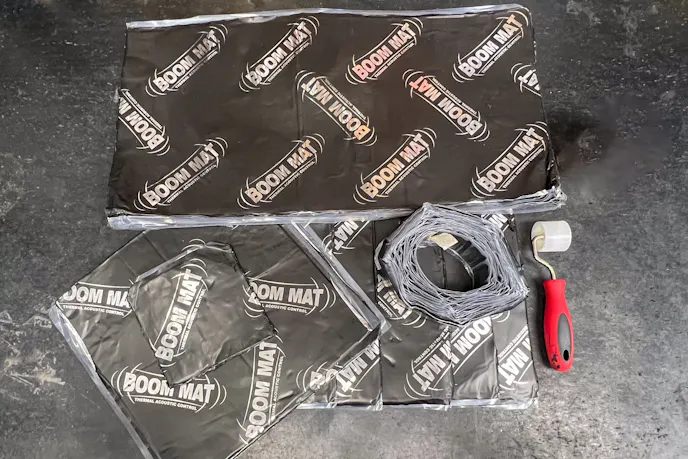
Damping material is designed to control vibration and resonance in sheet metal, reducing unwanted noise such as tire hum and exhaust drone. The insulation layer, on the other hand, helps block heat transfer and airborne noise from entering the cab.
It really is a two-step process for interiors that is most effective. A damping material controls noise and vibration, but what goes over top of it — like Under Carpet Lite — is what controls the heat and the rest of the noise. — Steve Garrett, DEI
Starting With A Clean Slate
As with most interior upgrades, installation begins with disassembly. The seats, console, and carpet were removed to expose the factory floor pan, revealing decades of use—and a perfect opportunity to start fresh.
Before any material goes down, proper prep is critical. The entire surface was cleaned of debris, grease, and any corrosion. Addressing rust at this stage ensures the material adheres properly and performs as intended over the long haul. From there, installation is straightforward.
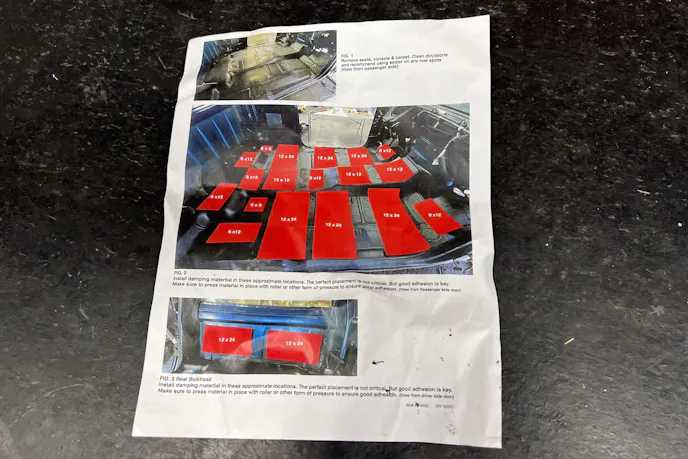
The pre-cut damping sections are laid out across the floor using DEI’s general placement guidelines. Coverage doesn’t have to be perfect, but strategic placement is key—and more importantly, so is adhesion.
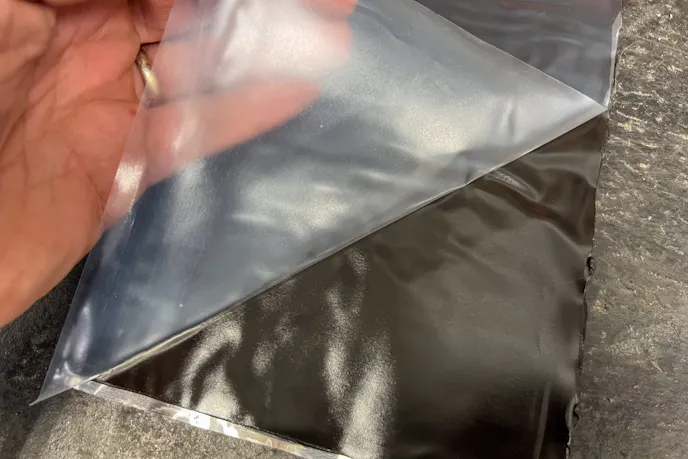
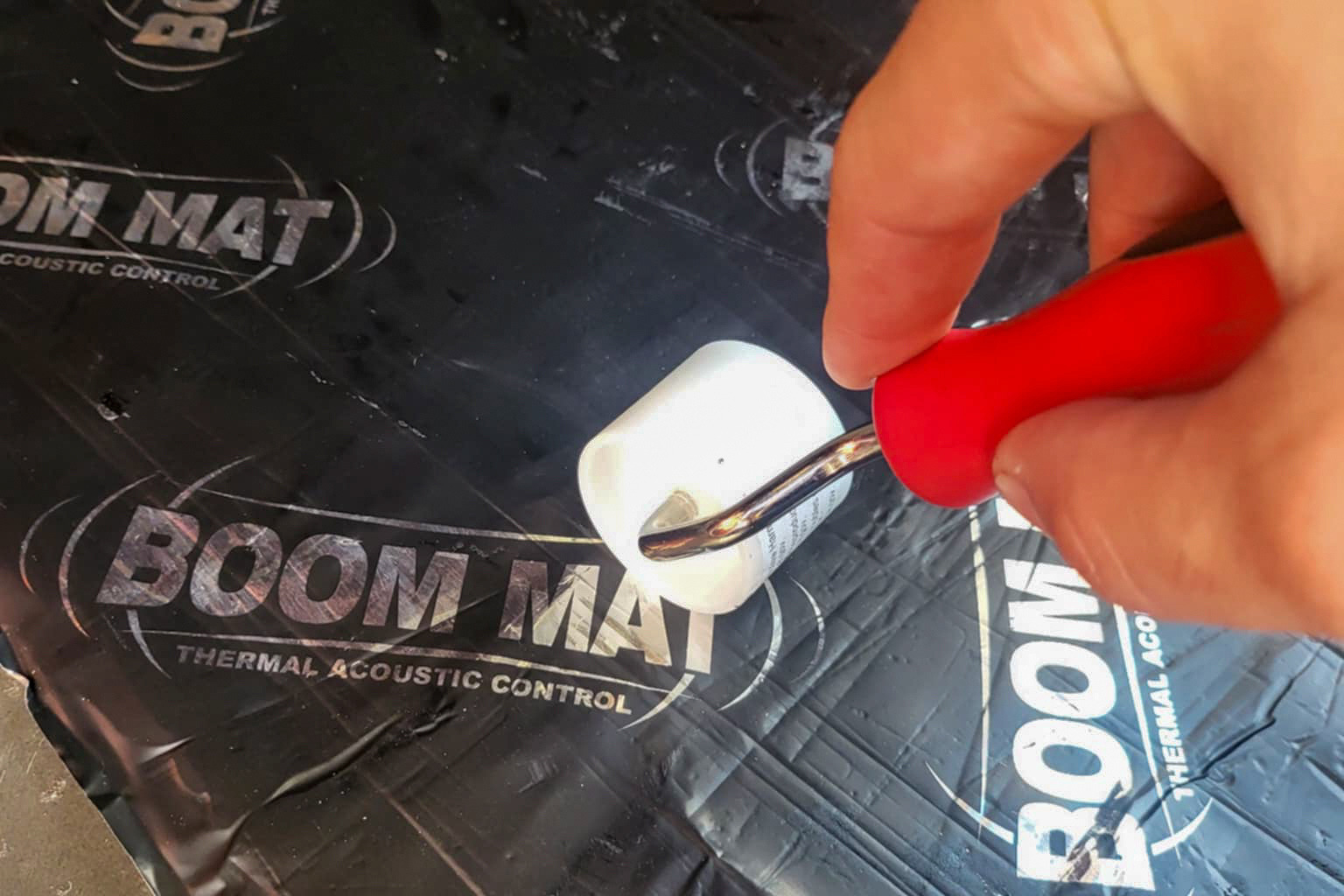
Each section features a peel-and-stick backing, making it easy to position. Once in place, a DEI roller is used to firmly press the material into the contours of the floor pan, ensuring full contact.
Coverage Matters — But Not How You Think
One common misconception with sound control products is that more is always better. In reality, that’s not necessarily the case. “You don’t need to cover every square inch to be effective,” Garrett explains. “We recommend about 50 percent coverage of any area to control noise and vibration.”
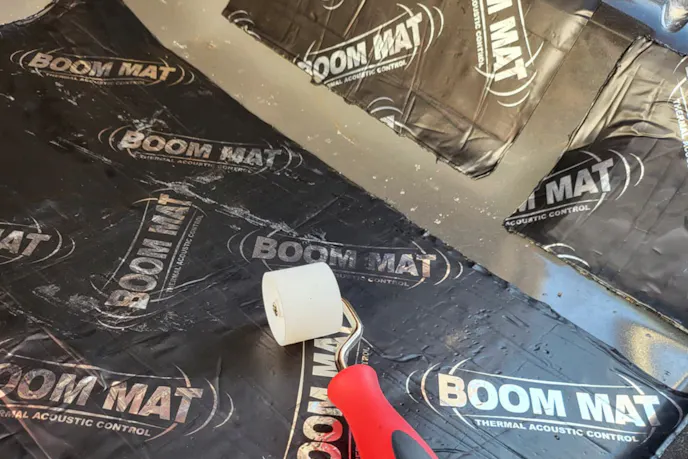
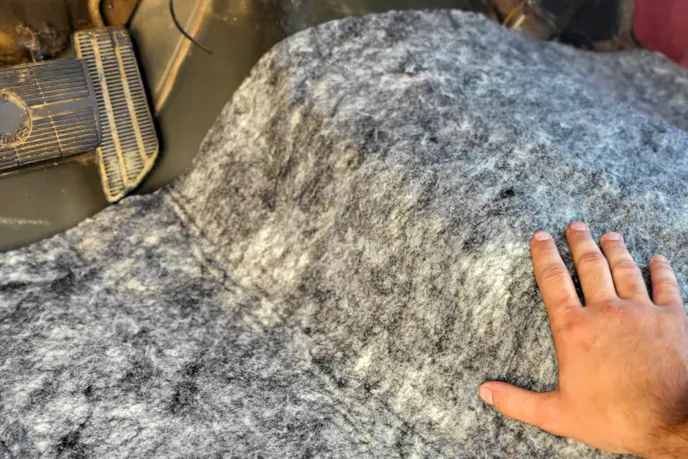
That targeted approach helps keep weight down—not that we’re weight-conscious with this build—while still delivering noticeable results—something especially important in performance-oriented builds like this OBS.
Moving Up Top: Tackling Roof Noise And Heat
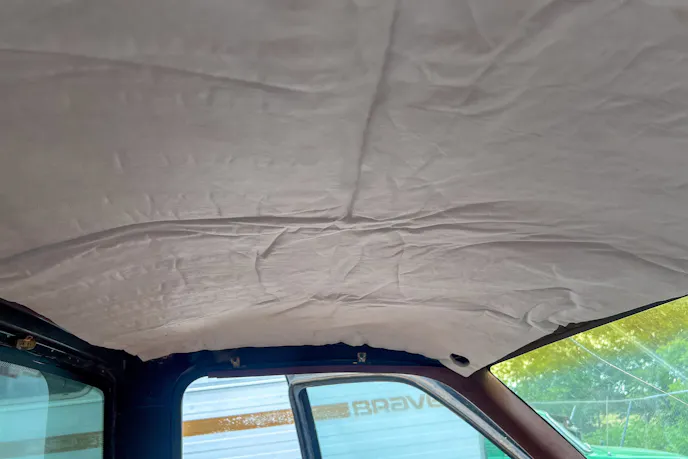
While the floor and firewall are major contributors to heat and noise, the roof is often overlooked—especially in regular-cab trucks, where there’s minimal factory insulation and no sound-deadening material in the case of our OBS.
To address this issue, we installed DEI’s custom-cut roof insulation kit. Since our application was a single cab, we adapted an extended cab kit by trimming it to fit. The material is easy to work with, making modifications like this simple.
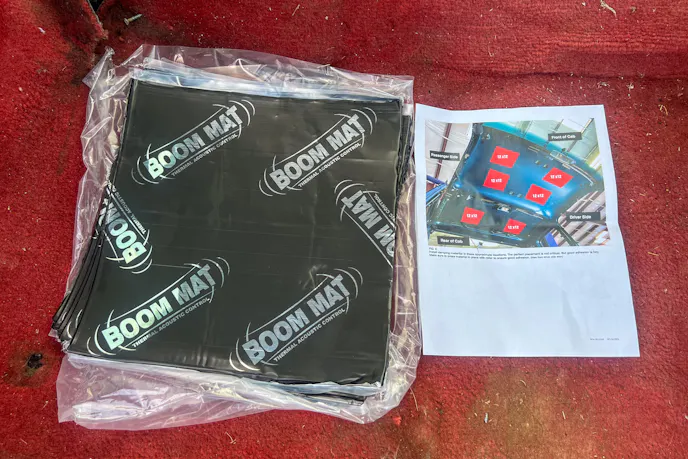
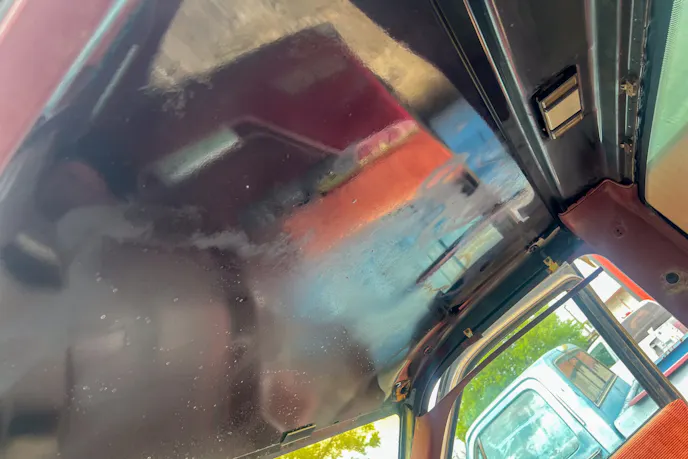
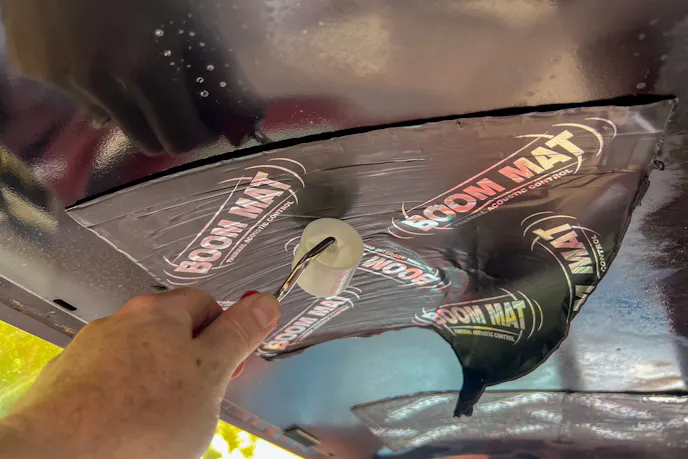
After removing the headliner and cleaning the roof structure, the pre-cut material is laid out, peeled, and pressed into place. Again, a roller ensures proper adhesion across the panel. Again, placement doesn’t have to be exact, but making sure the material is fully bonded to the metal surface is essential for it to effectively reduce vibration and heat transfer.
Avoiding Common Mistakes
As with any upgrade, results depend heavily on proper installation—and on choosing the right materials for the job. “There are definitely the right products for the right problems,” Garrett says. “One of the biggest mistakes people make is using a reflective heat barrier that does not face the heat source.”
Products designed to reflect heat must be installed correctly to function as intended. When placed improperly—such as inside the cab instead of facing the heat source—their effectiveness drops significantly.
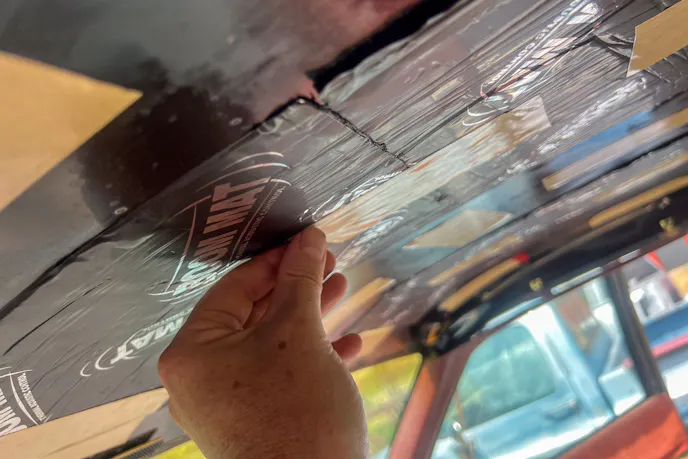
Another frequent misunderstanding is expecting a single product to do everything. “A damping material is extremely effective at controlling noise and vibration,” Garrett adds, “but it’s not designed to handle heat. That’s why layering it with insulation is so important.”
Real-World Results You Can Feel
The payoff for doing it right is immediate. “Real world is the benchmark,” Garrett says. “You will get cool floors and transmission tunnels. You will have better acoustics in the cab because squeaks, rattles, and vibrations are eliminated. You get a cab that is cool and comfortable for hours of enjoyment.”
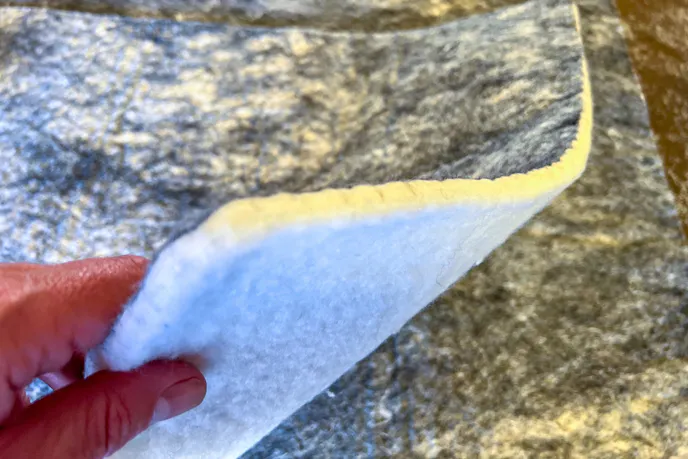
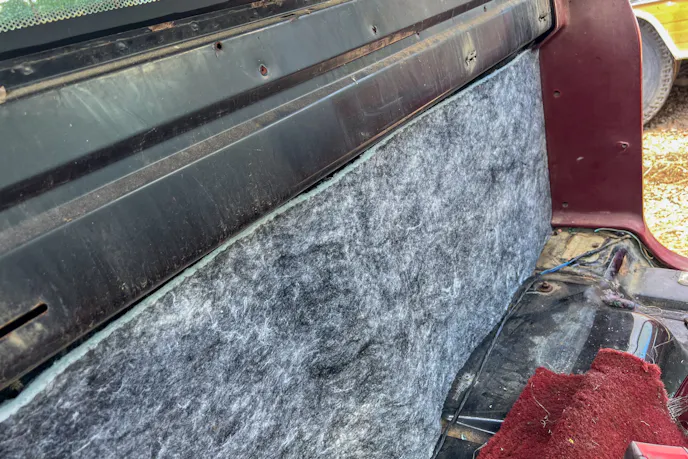
That combination of reduced noise, lower temperatures, and improved overall feel transforms the driving experience. Even the stereo benefits, with less background interference, compete for attention.
A Must-Do Upgrade For OBS Builds
As OBS trucks continue to rise in popularity—and value—builders are putting more time and money into making them better than ever. But interior comfort is still one area that’s often overlooked. “Making an OBS drivable now is as easy as a few economical materials,” Garrett explains. “This step is often overlooked, but it’s as important as any other part of the build to have a quality finished vehicle.”
Whether it’s a full restoration or a performance-focused street truck like this OBS, addressing heat and noise is one of those upgrades that pays off every time you drive it. And thanks to modern materials and vehicle-specific kits, it’s never been easier to bring a classic OBS truck up to modern standards—without losing what makes it great in the first place.
You might also like
Resurrected ’55 By Foose To Debut At The 2026 SEMA Show
The completed Delray will showcase the complete Foose Design interior by TMI products with premium Apex leather.